“Many of the tech myths we thought were absurd are actually true.”
In an era where technology is advancing at breakneck speed, it’s no surprise that misconceptions and myths surrounding its use and functionality have become increasingly prevalent. From hitting your computer to fix it to planned obsolescence being a real thing, these myths have been circulating for years, often leaving users feeling perplexed and frustrated.
Percussive Maintenance: Hitting Your Computer Might Actually Fix It
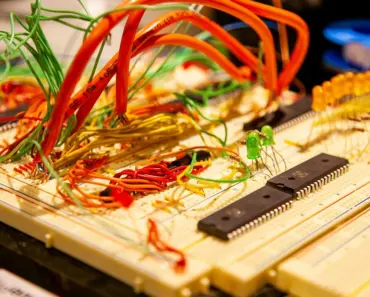
For years, “percussive maintenance” was the ultimate joke among tech enthusiasts. The idea that hitting your computer with a hammer or slapping the chassis could somehow fix a software freeze or a stuttering fan was deemed ridiculous. However, there’s a grain of truth to this myth. In the early days of computing, components were often held in place by friction alone, making them susceptible to thermal creep. This process caused parts to expand and contract, potentially unseating chips or loosening cable connections. A calculated smack against the computer could reseat a loose component or remove a speck of oxidizing dust, thus fixing the issue.
Your Phone is Listening to Your Conversations: Telemetry and the “Hot Mic” Phenomenon
The notion that your phone is constantly listening to your conversations and selling your data to advertisers was once considered a paranoid conspiracy theory. However, with the advent of telemetry, this concept has become a standard feature in most modern operating systems and browsers. Your activity is harvested at a staggering rate, including the apps you open, how long you stay in them, and your geographical location. The metadata generated by your browsing habits is so precise that it often feels like tech giants are listening to your every move.
Planned Obsolescence: Intentionally Throttling Older Hardware

For years, the notion that software updates were designed to slow down older hardware and push consumers to buy a new machine was dismissed as a paranoid conspiracy theory. However, the evidence suggests otherwise. Intentionally throttling older hardware is a common practice, often framed as “battery management” or “security overhead.” This results in older hardware being bogged down by increasingly bloated code that the manufacturer knows the older architecture can’t handle efficiently.
Gold-Plated Cables: A Difference That Matters
The debate surrounding the quality of cables has been ongoing for years, with some claiming that gold-plated connectors produce an objectively better picture. While the signal is digital, the physical properties of the cable can indeed affect the quality of the transmission. With the advent of 4K, 8K, and high-refresh-rate gaming, the importance of high-quality cables has become increasingly apparent. Gold-plated cables have been shown to improve signal integrity and reduce signal degradation, making them a worthwhile investment for those who demand the best.
Magnets Won’t Wipe Your Computer’s Data (But That’s a Myth for Another Time)
While magnets won’t wipe your computer’s data, it’s a topic that’s often shrouded in mystery. The truth is that magnets can indeed affect the data stored on a hard drive, but only in very specific circumstances. In reality, it’s the physical properties of the hard drive’s magnetic sectors that determine the data’s integrity, not the strength of the magnet.
The Myth of Overheating: How Heat Affects Your Computer’s Performance
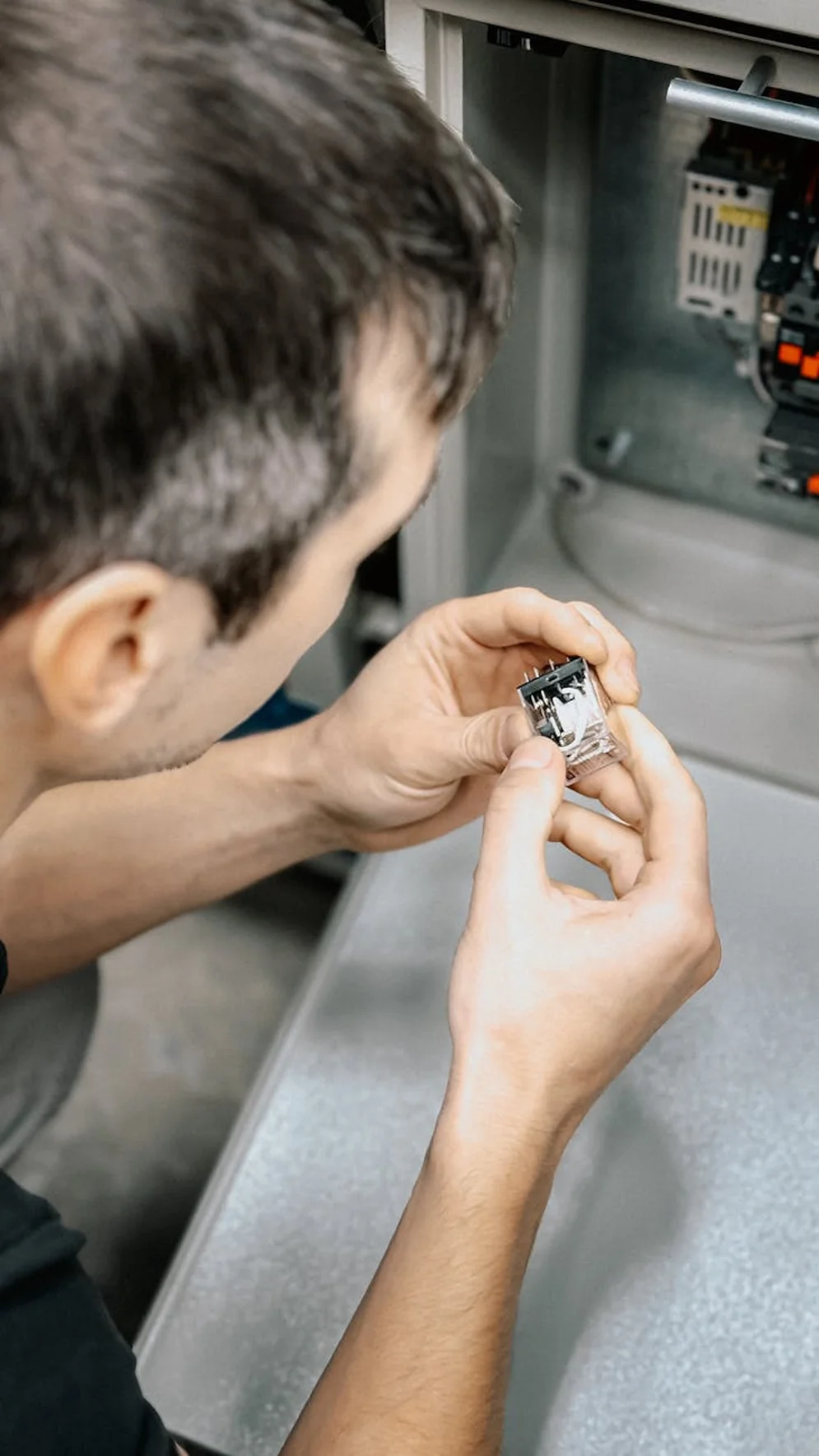
One common myth surrounding computers is that overheating causes damage to the components. While it’s true that excessive heat can cause components to fail, the relationship between heat and performance is more complex than you might think. In reality, heat can actually improve performance, as it allows for faster data transfer rates and increased processing power. However, excessive heat can lead to throttling and reduced performance, making it essential to maintain a healthy temperature range.
The Myth of Upgrades: Why Upgrading Your Hardware Might Not Be the Best Solution
Another common myth surrounding computers is that upgrading your hardware is the best solution to increase performance. While upgrading individual components can indeed improve performance, it’s often a costly and time-consuming process. In reality, the best solution is often to upgrade your entire system, including the motherboard and RAM, which provides a more significant performance boost. Additionally, some upgrades, such as those for graphics cards, can be more complex than others and require specialized knowledge.
Conclusion
In conclusion, while some tech myths may seem absurd at first, they often have a grain of truth to them. From percussive maintenance to planned obsolescence, it’s essential to separate fact from fiction and understand the underlying principles that govern technology. By doing so, we can make informed decisions about our technology and avoid wasting time and resources on ineffective solutions. As we continue to navigate the ever-changing world of technology, it’s crucial to stay informed and critically evaluate the information we’re presented with.