This statement highlights the tension between the two companies, each vying for dominance in the rapidly evolving field of AI. As the stakes continue to rise, it’s essential to delve into the intricacies of this situation and explore the implications for both the US and China.
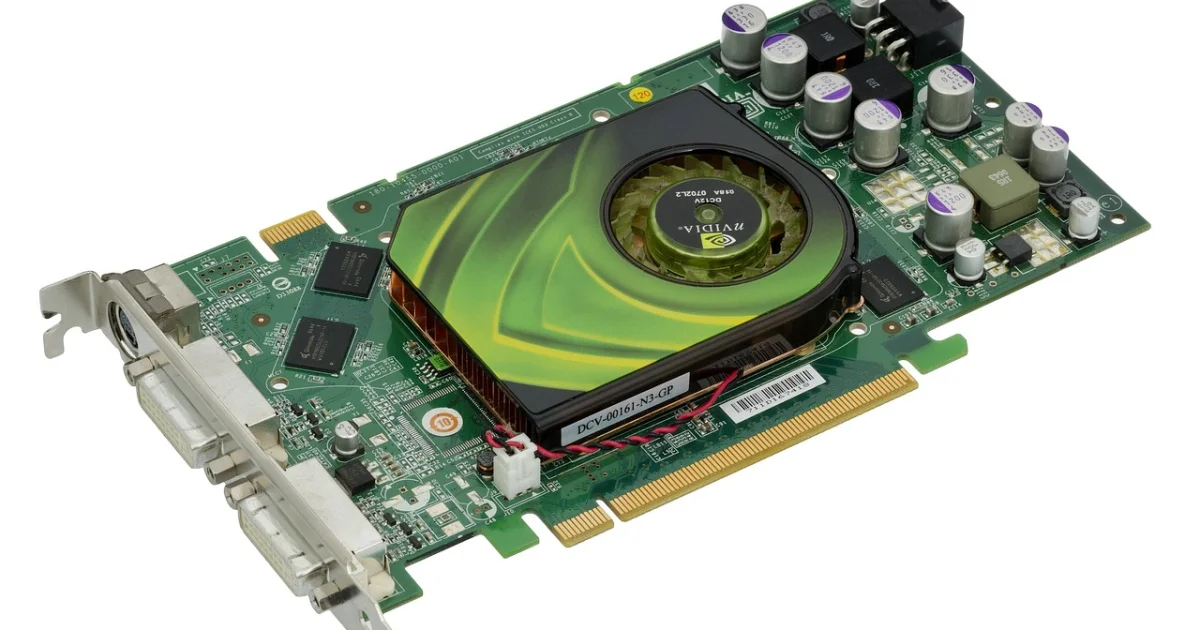
Breaking Down the Nvidia-Huawei Rivalry
The Nvidia-Huawei rivalry is not just about two companies competing for market share; it’s a clash of two vastly different approaches to AI development. Nvidia, the current leader in the field, has built its dominance on the CUDA ecosystem, which has become the industry standard for AI development. On the other hand, Huawei is leveraging its CANN framework, which is gaining traction as a viable alternative to CUDA. The move by DeepSeek to transition from CUDA to CANN is a significant blow to Nvidia’s stronghold on the AI market.
The Power Dynamics of AI
At the heart of this rivalry lies the power dynamics of AI development. The ability to train and deploy AI models efficiently is crucial for any company looking to make a mark in this field. Nvidia’s dominance is built on its ability to provide high-performance computing hardware, which allows researchers and developers to train and deploy complex AI models quickly. However, this comes at a cost – a significant amount of money and resources are required to purchase and maintain Nvidia’s hardware.
On the other hand, Huawei’s CANN framework offers a more affordable and accessible alternative. By rewriting its core code to work with Huawei’s CANN framework, DeepSeek has broken the software-hardware dependency that underpins American AI dominance. This move has significant implications for the US, as it threatens to erode Nvidia’s market share and potentially create a competitive landscape where Chinese companies can develop AI models without relying on American hardware.
The Impact of Export Controls
Export controls have long been a contentious issue in the tech industry, particularly when it comes to AI development. The US government has implemented strict regulations to control the export of advanced technology to China, citing national security concerns. However, this has created a paradox – while export restrictions can limit which Nvidia hardware reaches China, Chinese labs have been able to write software for CUDA, rendering them dependent on the Nvidia ecosystem even when using alternative processors.
The migration from CUDA to CANN threatens to break this dependency, allowing Chinese companies like Huawei to develop AI models without relying on American hardware. This has far-reaching implications for the US, as it could lead to a loss of technological leverage in the field of AI. Nvidia CEO Jensen Huang’s warning that a “horrible outcome” for the US would result from DeepSeek optimizing its AI models for Huawei chips rather than American hardware is not unfounded.
The Gap in Performance
One of the primary concerns surrounding Huawei’s Ascend chips is their performance gap compared to Nvidia’s hardware. Currently, American chips are approximately five times more powerful than their Chinese equivalents, and this gap is projected to widen to 17 times by 2027. However, Nvidia’s CEO has stated that even if China had inferior chips, it could still catch up with the US in AI development given the right software and expertise.
But what does this mean for the average reader? For those looking to develop AI models, the choice between Nvidia and Huawei’s hardware is no longer a straightforward one. The performance gap may not be as significant as it seems, and the cost savings of using Huawei’s CANN framework could be a compelling reason to consider this option. However, the long-term implications of relying on Chinese hardware and software should not be taken lightly.
Practical Considerations for Developers
For developers looking to navigate this complex landscape, there are several practical considerations to keep in mind. Firstly, the choice between Nvidia and Huawei’s hardware will largely depend on the specific needs of the project. If high-performance computing is a priority, Nvidia’s hardware may still be the better choice. However, if cost is a significant factor, Huawei’s CANN framework could be a more viable option.
Secondly, the ability to write software for both CUDA and CANN frameworks is crucial. This will allow developers to adapt their code to different hardware environments and take advantage of the benefits of each ecosystem. Lastly, staying up-to-date with the latest developments in the field is essential, as the landscape is constantly evolving.
You may also enjoy reading: Apple Maps Gets a Thrill Ride with In-Depth F1 Experience for Miami Grand Prix.
Conclusion
The Nvidia-Huawei rivalry in the AI space is a complex and multifaceted issue. While Nvidia’s dominance is built on its high-performance computing hardware, Huawei’s CANN framework offers a more affordable and accessible alternative. The migration from CUDA to CANN threatens to break the software-hardware dependency that underpins American AI dominance, potentially creating a competitive landscape where Chinese companies like Huawei can develop AI models without relying on American hardware.
As the stakes continue to rise, it’s essential for developers and policymakers to carefully consider the implications of this rivalry. The choice between Nvidia and Huawei’s hardware will depend on specific needs, and staying up-to-date with the latest developments in the field is crucial. One thing is certain – the future of AI development is about to get a lot more interesting.
DeepSeek’s V4 Model
DeepSeek’s V4 model is a significant development in this rivalry, as it marks the first time a frontier-competitive model has been trained on Huawei’s Ascend chips. The model’s performance has already been demonstrated to match or exceed that of models trained on Nvidia’s hardware, despite being developed using Huawei’s CANN framework. This achievement is a testament to the growing capabilities of Huawei’s hardware and software.
However, the implications of V4 go beyond just its performance. It demonstrates the potential for Chinese companies to develop AI models without relying on American hardware, which could have significant implications for the US. As the competition between Nvidia and Huawei continues to heat up, it’s essential to keep a close eye on this development and its potential consequences.
Challenges and Opportunities
The Nvidia-Huawei rivalry in the AI space presents both challenges and opportunities for developers, policymakers, and the US government. On the one hand, the growing capabilities of Huawei’s hardware and software pose a significant challenge to Nvidia’s dominance. However, this also creates opportunities for innovation and development, as companies like Huawei push the boundaries of what is possible with AI.
For developers, the ability to adapt to changing hardware and software environments is crucial. Staying up-to-date with the latest developments in the field and being able to write software for multiple frameworks will be essential for success. Policymakers and the US government will need to carefully consider the implications of this rivalry and take steps to ensure that American companies remain competitive in the field of AI.