The landscape of seasonal preventative medicine just underwent a seismic shift in the European Union. For years, the autumn and winter months have been defined by a dual struggle: managing the unpredictable waves of COVID-19 while simultaneously bracing for the annual influenza surge. Navigating these two distinct immunization schedules has become a logistical hurdle for millions of people. However, a recent regulatory milestone suggests that the era of the “double jab” might soon give way to a much more streamlined approach to respiratory health.
A New Era for Respiratory Protection in Europe
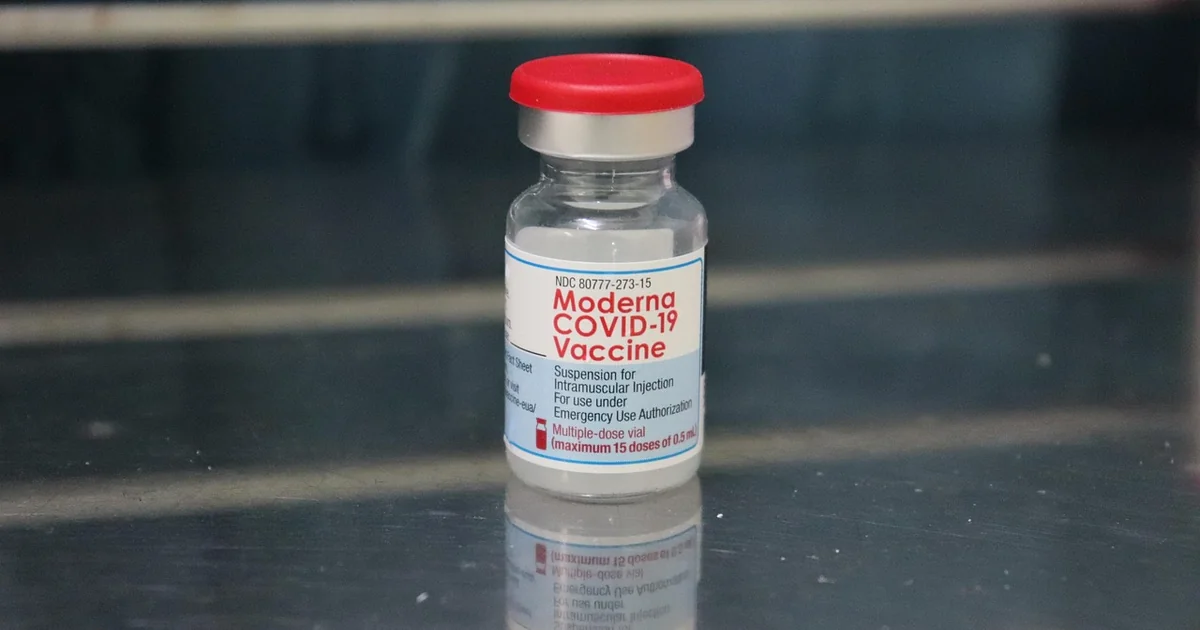
The European Commission has officially granted authorization for Moderna to market mCOMBRIAX, a pioneering medical development that represents a significant leap in biotechnology. This authorization makes it the first combination vaccine in history to receive official clearance for protecting against both the influenza virus and SARS-CoV-2. By integrating two different types of protection into a single injection, this development aims to reshape how public health authorities approach seasonal illness.
The decision follows an intensive period of scrutiny by the European Medicines Agency. During a review conducted in February, a specialized committee evaluated the efficacy and safety profiles of the technology. The result was a green light that positions Europe at the forefront of mRNA-based preventative care. While the science behind this was largely pioneered in the United States, the regulatory path in Europe has cleared the way for a rollout that could fundamentally change the seasonal healthcare calendar.
This breakthrough is not merely about convenience; it is about the biological efficiency of the mRNA platform. The moderna covid flu vaccine utilizes the same fundamental messenger RNA technology that became a household name during the pandemic. Instead of relying on weakened or inactivated viruses, this method provides the body with precise genetic instructions to recognize and fight specific proteins found on the surface of both the flu and the coronavirus. This precision is what allows for such a complex combination to exist within a single dose.
Understanding the mCOMBRIAX Composition
To understand why this is a breakthrough, one must look at the specific components of the shot. mCOMBRIAX is not a simple mixture of two existing liquids. Rather, it is a sophisticated fusion of Moderna’s established COVID-19 mRNA technology and an investigational influenza vaccine known as mRNA-1010. The latter is a specialized component designed specifically to trigger a robust immune response against the most common and dangerous circulating strains of the flu.
The synergy between these two components is the core of the innovation. In traditional vaccine manufacturing, combining different types of antigens can sometimes lead to interference, where one component “muffles” the effectiveness of the other. The Phase III clinical trials for this combination shot were designed specifically to ensure that the presence of the influenza instructions did not diminish the body’s ability to generate antibodies against SARS-CoV-2, and vice versa.
Clinical Evidence and Trial Outcomes
The authorization was not granted lightly; it was built upon a foundation of rigorous Phase III clinical testing. The study involved approximately 4,000 adult participants, a sample size large enough to provide statistically significant data regarding both safety and immunological strength. The researchers structured the trial to account for the varying needs of different age demographics, acknowledging that the immune system behaves differently as we age.
The trial was bifurcated into two distinct age-based cohorts. The first group consisted of adults aged 50 to 64. In this demographic, the combination vaccine was measured against a standard-dose influenza vaccine. The second group comprised individuals aged 65 and older, a population often requiring more intensive protection. For this older cohort, the combination shot was compared against a high-dose influenza vaccine, which is the current gold standard for seniors due to its ability to provoke a stronger reaction from aging immune systems.
The results were remarkably consistent across both groups. The data showed that mCOMBRIAX elicited statistically significant higher immune responses compared to the comparator vaccines. Specifically, the participants showed superior antibody production against several key targets: the A/H1N1 strain, the A/H3N2 strain, the B/Victoria lineage, and the SARS-CoV-2 virus. This means the body was effectively “trained” to recognize a wider array of threats more intensely than it would have with separate, traditional shots.
Safety Profiles and Adverse Event Monitoring
One of the most critical aspects of any new medical authorization is the safety data. In the case of the moderna covid flu vaccine, the clinical findings were highly encouraging. Throughout the duration of the Phase III trials, no significant safety concerns or unexpected adverse events were reported. This is a vital distinction, as combining two different vaccine targets carries the theoretical risk of increased systemic inflammation or localized reactions.
For patients, this lack of adverse findings provides a level of confidence that is essential for widespread adoption. When a vaccine is intended for high-risk populations—such as the elderly or those with underlying health conditions—the margin for error regarding side effects is incredibly slim. The ability to achieve higher immune responses without increasing the frequency of side effects represents a “sweet spot” in pharmacological development.
The Global Discrepancy: Why the US and Europe Differ
An intriguing aspect of this story is the geographic divide in regulatory status. Although Moderna is an American company and the development of this technology occurred largely on US soil, the vaccine is currently being “shelved” in the United States. While the European Commission has moved forward with authorization, the American regulatory landscape remains in a state of deliberation or different strategic prioritization.
While we cannot speculate on the internal decision-making of the FDA, several systemic factors often influence these discrepancies. Regulatory bodies operate under different frameworks, and the timing of clinical data submission can vary. Furthermore, the public health priorities of different nations may dictate how quickly a new technology is integrated into the standard of care. In Europe, the emphasis appears to be on the immediate simplification of the seasonal immunization schedule to bolster healthcare resilience.
This creates a strange paradox where the very country that birthed the technology is not the first to deploy it. For many observers, this highlights the importance of international regulatory diversity. Different regions may approach the risk-benefit analysis of combination shots through different lenses, which can ultimately lead to different timelines for patient access.
Addressing the Challenges of Seasonal Immunization
To appreciate the impact of this development, we must look at the real-world problems it seeks to solve. For many people, the “vaccination fatigue” is a very real phenomenon. After years of navigating changing guidelines, booster schedules, and multiple appointments, the mental load of staying protected can be exhausting.
Consider a hypothetical scenario involving a busy professional or an elderly individual living alone. They may have multiple appointments to manage: one for their annual flu shot in October and another for their COVID-19 booster in December. If they miss one, they are left partially vulnerable. This “gap” in protection is where many respiratory illnesses take hold. The logistical friction of managing two separate medical events often leads to lower compliance rates.
You may also enjoy reading: Bluetti’s Monster 2048Wh Power Station 50% Off: Unbeatable Deal of the Year.
Another significant challenge is the strain on healthcare infrastructure. During the peak of respiratory virus season, clinics and pharmacies are often overwhelmed. Processing twice the number of patients for two separate shots increases wait times, requires more staff, and consumes more clinical resources. By reducing the number of required visits, a combination vaccine acts as a force multiplier for healthcare efficiency.
Practical Solutions for Maintaining Immunity
While waiting for the wider rollout of combination technology, individuals can take several actionable steps to manage their respiratory health. If you are currently navigating separate schedules, consider the following strategies:
- Consolidate Appointments: If your healthcare provider allows it, ask if you can receive both the flu and COVID-19 shots during a single visit. While they may be administered in different arms, doing them at once eliminates the need for a second trip.
- Digital Tracking: Use a dedicated health app or a simple digital calendar to set reminders for both types of vaccinations. Treating them as a single “seasonal wellness event” can help mental organization.
- Consultation on Timing: Speak with a pharmacist or doctor about the optimal window for your specific health profile. For some, getting shots closer together is better; for others, spacing them out might minimize local discomfort.
The Impact on Healthcare Resilience
Beyond the individual patient, the authorization of mCOMBRIAX has implications for the stability of entire national health systems. When a large percentage of the population receives a single, highly effective dose, the overall “viral load” in a community tends to drop. This reduces the number of hospitalizations, which in turn prevents the “bottleneck” effect seen in emergency rooms during winter months.
A more resilient healthcare system is one that can handle routine care without being hijacked by seasonal surges. By simplifying the immunization process, public health officials can increase the “uptake” rate. Higher uptake leads to higher community immunity, creating a protective buffer for those who are most vulnerable and cannot be vaccinated themselves.
Furthermore, the use of mRNA technology for both viruses allows for a more agile response to mutations. Because mRNA is essentially a digital code, scientists can update the “instructions” in the vaccine relatively quickly if a new, more virulent strain of influenza or a new COVID-19 variant emerges. This flexibility is a cornerstone of modern biosecurity.
How Combination Vaccines Compare to Separate Shots
A common question arises: Is a combination shot actually better than getting two separate injections? From a biological standpoint, the goal of the moderna covid flu vaccine is to provide equivalent or superior protection. The clinical data suggests that the combination approach can actually trigger a more robust response because it targets multiple pathways of the immune system simultaneously.
In separate shots, the immune system reacts to one stimulus at a time. In a combination shot, the immune system is presented with a more complex “training exercise.” This can lead to a more comprehensive immunological memory. However, the primary advantage is often not just the biological response, but the human behavior response. A single shot is significantly more likely to be completed than two separate ones.
The Future of mRNA and Public Health
The authorization of mCOMBRIAX is likely just the beginning of a much larger trend. We are moving toward a future where “multivalent” vaccines—those that target multiple pathogens at once—become the standard. We may eventually see combination shots for RSV, shingles, and other seasonal threats, all delivered in a streamlined manner.
This evolution represents a shift from reactive medicine to proactive, integrated wellness. Instead of treating illnesses as they arise, we are building more sophisticated, multi-layered shields. As the technology matures and the regulatory pathways become more established, the burden of seasonal disease will likely continue to diminish.
For the residents of Europe, this new option provides a significant tool in the fight against respiratory illness. It marks a moment where biotechnology and regulatory efficiency have aligned to offer a simpler, more effective way to stay healthy through the coldest months of the year.