The Reported Intel-Apple Chip Deal – What We Know
Recent reports suggest a significant shift in the semiconductor landscape. According to sources cited by The Wall Street Journal, Apple and Intel have reached a preliminary agreement. Under this arrangement, Intel would manufacture certain chips for Apple devices. The two companies reportedly spent over a year in discussions before finalizing terms in recent months.
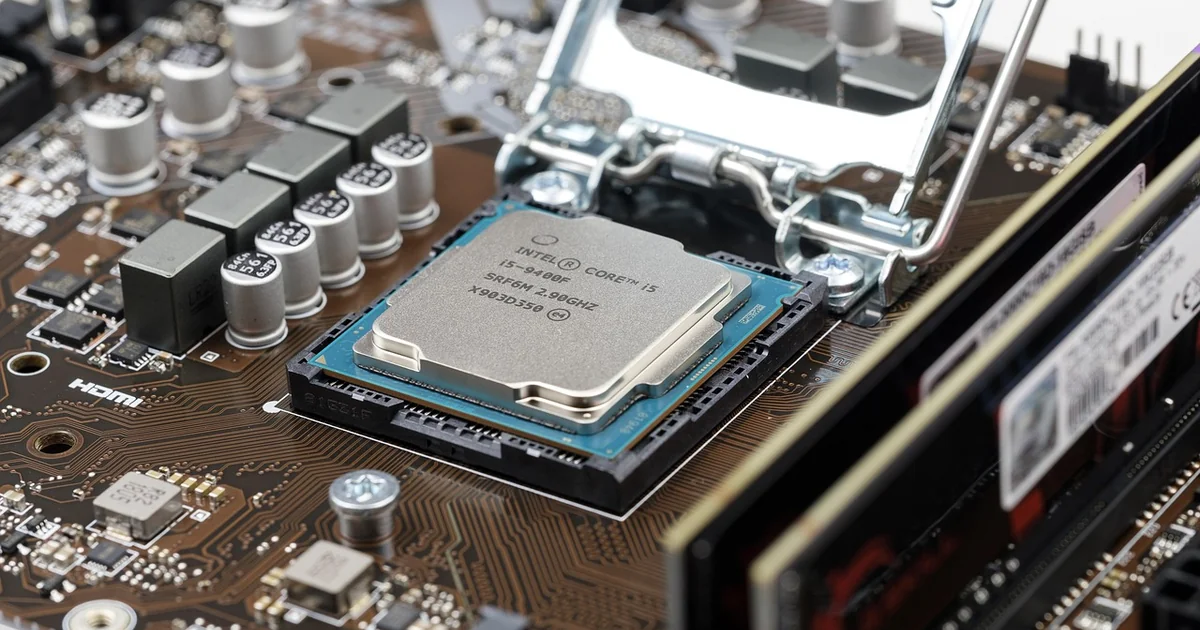
Neither Apple nor Intel has publicly confirmed the details. Apple did not respond to requests for comment. Intel declined to comment as well. Yet the intel apple chip deal represents a notable development for both companies and the broader tech industry.
It remains unclear which specific Apple devices would use Intel-made chips. The iPhone maker has relied heavily on Taiwan Semiconductor Manufacturing Company (TSMC) for years. Adding Intel as a second supplier could reshape Apple’s production strategy.
Why This Intel Apple Chip Deal Matters for the Semiconductor Industry
The semiconductor industry has undergone massive changes in recent years. Intel, founded in 1968, once dominated American chip manufacturing. But the company lost ground during the artificial intelligence boom. Rivals Nvidia and AMD surged ahead while Intel struggled to keep pace.
Intel’s foundry business faces intense competition from TSMC. The Taiwanese company has become the go-to manufacturer for many of the world’s top chip designers. Apple has been one of TSMC’s largest and most loyal customers. That relationship has been mutually beneficial for years.
But the intel apple chip deal could alter that dynamic. If Intel can successfully produce chips for Apple, it would signal a major comeback. It would also give Apple more leverage in future negotiations with TSMC.
Intel’s Foundry Ambitions
Intel has been working to revive its foundry services. The company wants to manufacture custom chips for external clients. This is a different business model from designing and selling its own processors. Foundry work requires precision, reliability, and the ability to handle diverse client needs.
Winning Apple as a foundry customer would be a massive validation. Apple demands extremely high standards for its chip components. The company’s A-series and M-series processors are among the most advanced in the world. If Intel can meet Apple’s requirements, it could attract other major clients as well.
The foundry market is projected to be worth over $200 billion by 2030. Capturing even a fraction of that growth would transform Intel’s financial outlook. The intel apple chip deal could be the catalyst that makes that transformation possible.
The Government’s Role in the Intel Apple Chip Deal
The Trump administration has played an active role in encouraging collaboration between Intel and major tech companies. Last summer, the U.S. government acquired a 10% stake in Intel. This move came after President Trump called for the resignation of Intel CEO Lip-Bu Tan over alleged conflicts of interest.
Commerce Secretary Howard Lutnick has met with CEOs from Apple, Nvidia, and SpaceX. The goal has been to persuade these companies to work with Intel. The administration views domestic chip manufacturing as a national security priority.
President Trump told reporters in January that Intel came to him seeking help. He said he agreed to help but demanded 10% of the company for the United States. “As soon as we went in, Apple went in, Nvidia went in, a lot of smart people went in,” Trump claimed.
Government Stakes in Private Companies – A Controversial Move
The U.S. government taking a direct ownership stake in a private company is unusual. Critics argue it blurs the line between public policy and private enterprise. Supporters say it is necessary to protect American technological leadership.
The semiconductor industry has become a geopolitical battleground. Taiwan faces ongoing threats from China. Relying too heavily on TSMC for advanced chips creates strategic vulnerabilities. The government’s involvement in the intel apple chip deal reflects these broader concerns.
Some analysts question whether government pressure actually helps or hurts companies like Intel. Forced partnerships can create resentment. But in this case, the financial incentives appear to be working. Intel’s recent momentum has been tied directly to deals encouraged by the administration.
Intel’s Comeback Story – From Struggles to Momentum
Intel’s decline was not sudden. It happened gradually over a decade. The company missed key transitions in mobile computing and AI hardware. Meanwhile, Nvidia’s GPUs became essential for machine learning workloads. AMD’s Ryzen processors eroded Intel’s dominance in PCs and servers.
By 2023, Intel’s market position looked precarious. The company had delayed its next-generation manufacturing processes. TSMC had pulled ahead in the race to produce smaller, more efficient chips. Many industry observers wrote Intel off as a has-been.
But Intel is now in the middle of a comeback. Last month, the company reported that its first-quarter revenue grew 7%. It expects next quarter to beat Wall Street expectations. These results suggest the turnaround efforts are gaining traction.
Key Milestones in Intel’s Recovery
Several events have contributed to Intel’s renewed momentum. Nvidia announced in September that it was investing $5 billion in a partnership. Under this deal, Intel is expected to make custom chips for Nvidia. That partnership alone signals confidence from one of the industry’s biggest players.
In April, Intel said it was joining Elon Musk’s Terafab project with SpaceX and Tesla. This massive manufacturing initiative aims to produce chips for aerospace and automotive applications. Intel’s involvement positions it at the center of next-generation hardware development.
The reported intel apple chip deal would complete a trifecta of major partnerships. Apple, Nvidia, and SpaceX have all now made commitments to work with Intel. That is a remarkable turnaround for a company that many had written off just two years ago.
What This Means for Apple’s Supply Chain
Apple has long relied on TSMC as its primary chip supplier. The relationship has been highly successful. TSMC has delivered cutting-edge processors for iPhones, iPads, and Macs. But relying on a single supplier creates risks.
Increasing demand for AI chips has caused supply headaches for Apple. The company competes with Nvidia, AMD, and others for limited manufacturing capacity. Diversifying suppliers could reduce these bottlenecks. The intel apple chip deal gives Apple a second source for critical components.
Supply chain diversification also provides negotiating leverage. When a single supplier knows they are irreplaceable, prices can rise. Having an alternative supplier keeps both parties honest. Apple could potentially negotiate better terms with both Intel and TSMC as a result.
Could Intel-Made Chips Change Apple Device Performance?
This is a question many tech enthusiasts are asking. Intel’s manufacturing processes have historically lagged behind TSMC’s in some areas. But Intel has been investing heavily in catching up. The company’s Intel 4 and Intel 3 processes show significant improvements.
If Intel can produce chips that meet Apple’s specifications, the performance difference may be negligible. Apple designs its own chip architectures. The foundry simply fabricates those designs. As long as Intel can achieve the required transistor density and power efficiency, Apple devices should perform similarly regardless of where the chips are made.
There could even be advantages. Having two suppliers might allow Apple to increase total production volume. This could reduce shortages during peak demand periods. It might also enable faster rollout of new products across more markets simultaneously.
The Bigger Picture – U.S. Chip Manufacturing Ambitions
The intel apple chip deal is part of a larger story about American semiconductor independence. For decades, the United States dominated chip manufacturing. But production gradually shifted to Asia. Today, less than 12% of global chip manufacturing happens in the U.S.
The CHIPS Act, passed in 2022, allocated $52 billion to boost domestic semiconductor production. The government has used financial incentives to attract new fabs and expand existing ones. Intel has been a major beneficiary of these programs.
You may also enjoy reading: 7 Ways This New FOMO Phishing Scam Uses Fake Party Invites.
Bringing Apple’s chip production to Intel’s U.S. facilities would be a symbolic victory. It would demonstrate that American companies can compete with TSMC on quality and scale. It would also create thousands of skilled manufacturing jobs in the United States.
Geopolitical Implications
Taiwan’s semiconductor industry is a critical asset for the island nation. But it is also a vulnerability. China has made no secret of its ambitions to reunify Taiwan by force if necessary. A conflict over Taiwan could disrupt the global chip supply chain for years.
Companies like Apple have been quietly working to reduce their exposure to this risk. Moving some production to Intel’s U.S. facilities provides a hedge. Even if TSMC’s operations were disrupted, Apple could still manufacture chips domestically through Intel.
The intel apple chip deal therefore has implications far beyond corporate balance sheets. It touches on national security, supply chain resilience, and the future of American technological leadership. These are issues that affect every citizen, not just tech industry insiders.
What Challenges Could the Intel Apple Chip Deal Face?
Despite the excitement, significant hurdles remain. Intel’s manufacturing processes are not yet proven at the scale and quality Apple requires. The company has experienced delays and yield issues in recent years. Apple will likely demand rigorous testing before committing to large-scale production.
There is also the question of capacity. Intel’s foundry business is still ramping up. Serving a client as large as Apple would require massive investment in new equipment and facilities. Intel would need to prioritize Apple’s orders over other potential clients.
Intellectual property protection is another concern. Apple is famously secretive about its chip designs. Sharing those designs with a competitor like Intel carries risks. Intel designs its own processors, which compete with Apple’s chips in some markets. Robust legal agreements and physical separation would be necessary.
Could the Deal Fall Apart?
Preliminary agreements are not final contracts. Many factors could derail the partnership. If Intel fails to meet production milestones, Apple could walk away. If TSMC offers better terms to keep Apple’s business, the economics might shift.
Political changes could also affect the deal. The government’s 10% stake in Intel was controversial. Future administrations might take a different approach. A change in policy could alter the incentives that brought Apple and Intel together.
But for now, the momentum appears to be in Intel’s favor. The company has secured partnerships with three of the most important technology companies in the world. That is no small achievement. The intel apple chip deal, if finalized, would be the crown jewel of Intel’s comeback.
What Industry Analysts Are Saying
Market observers have responded positively to the news. Many see the deal as a win-win for both companies. Intel gains a marquee customer that validates its foundry capabilities. Apple gains supply chain flexibility and reduces its dependence on a single supplier.
Some analysts have raised concerns about execution risk. Intel has a mixed track record in recent years. Delivering chips that meet Apple’s exacting standards will not be easy. But the potential rewards justify the effort.
The broader semiconductor industry is watching closely. If Intel can successfully produce chips for Apple, it could reshape the competitive landscape. TSMC would face a credible rival in the high-end foundry market. That competition could drive innovation and lower prices across the industry.
Looking Ahead – What Comes Next
The coming months will be critical for the intel apple chip deal. Both companies will need to work through technical and logistical challenges. Initial production runs will test Intel’s capabilities. If those tests succeed, larger orders could follow.
Apple is unlikely to abandon TSMC entirely. The Taiwanese company remains a trusted partner with proven capabilities. But adding Intel as a secondary supplier creates options. Apple can adjust its sourcing based on capacity, cost, and geopolitical considerations.
For Intel, the deal represents an opportunity to reclaim its position as a leader in American semiconductor manufacturing. The company has the talent, the facilities, and now the government support to make a comeback. The question is whether it can execute on its ambitious plans.
Intel’s first-quarter results suggest the company is on the right track. Revenue growth of 7% and optimistic forward guidance indicate improving fundamentals. The intel apple chip deal could accelerate that trajectory significantly.
The technology world will be watching closely as this story develops. If the deal goes through, it could mark the beginning of a new era in chip manufacturing. One where American companies once again play a leading role in producing the world’s most advanced semiconductors.
For consumers, the implications are less immediate but still meaningful. More competition in chip manufacturing could lead to better performance, lower prices, and more reliable supply for devices we use every day. The intel apple chip deal is not just a corporate story. It is a story about the future of technology itself.