When a hot-air balloon landed in a residential neighborhood, in someone’s backyard, it sent shockwaves through the community. The incident, which has been widely reported on social media, raises important questions about the safety of hot air balloons and the challenges faced by pilots navigating through unexpected wind conditions.
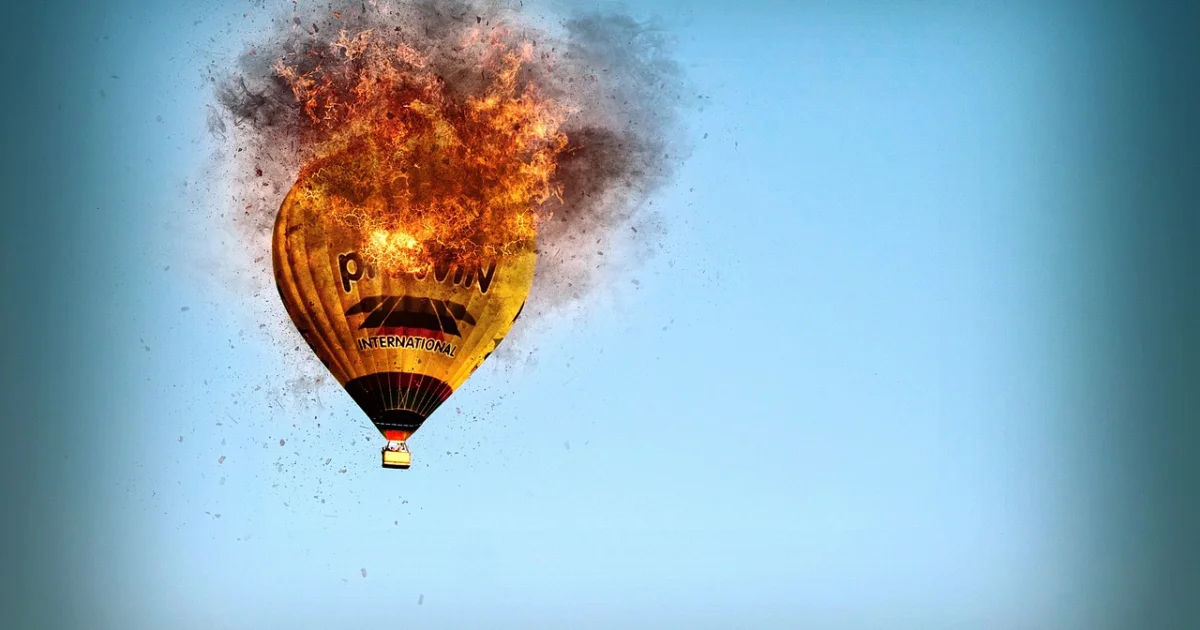
Hot Air Balloon Crashes: Understanding the Risks
Hot air balloons are a popular mode of adventure tourism, offering breathtaking views and a unique experience for passengers. However, as the recent incident in California demonstrates, they can also pose significant risks to people and property.
According to Denni Barrett, founder and CEO of Magical Adventures Balloon Rides, hot air balloon landings in residential neighborhoods are extremely rare. In fact, Barrett cannot recall a single incident in over 20 years of operating the business.
What Happened in Temecula?
On Saturday morning, a hot-air balloon landed in a residential neighborhood in Temecula, California. The balloon, which was operated by Magical Adventures Balloon Rides, had been flying over the area for about an hour when it became “becalmed” at 3,000 feet. With no wind to guide it, the pilot was forced to land in the nearest available space – a backyard.
Barrett explained that the pilot had been stuck over the neighborhood for about 30 minutes, unable to move or find a safe place to land. With fuel running low, the pilot had to act quickly to avoid a potentially disastrous outcome.
The Science Behind Hot Air Balloon Navigation
Hot air balloons operate on a simple principle: hot air rises, and cold air sinks. By controlling the temperature of the air inside the balloon, pilots can ascend or descend. However, navigating through wind conditions is a different story.
According to Barrett, wind conditions play a critical role in hot air balloon navigation. “We can control up and down very expertly,” he said, “but left and right, that’s entirely by the wind.” In this case, the lack of wind made it difficult for the pilot to chart a course and find a safe place to land.
Ensuring Safety in Hot Air Balloon Operations
While hot air balloon landings in residential neighborhoods are rare, they can still pose significant risks to people and property. To mitigate these risks, pilots and operators must take steps to ensure safety in their operations.
One of the key challenges facing pilots is navigating through unexpected wind conditions. This can be particularly difficult in areas with complex topography or unpredictable weather patterns.
Barrett recommends that pilots take regular training to improve their skills and knowledge in navigating through challenging wind conditions. He also emphasizes the importance of having a clear emergency plan in place, including procedures for landing in unexpected situations.
Protecting Your Property from Hot Air Balloon Landings
While hot air balloon landings in residential neighborhoods are rare, they can still pose a risk to property owners. If you live in an area where hot air balloon flights are common, there are steps you can take to protect your property.
One of the most effective ways to prevent hot air balloon landings on your property is to have a clear understanding of the local flight paths and restrictions. You can contact local authorities or the Federal Aviation Administration (FAA) to obtain this information.
Another important step is to ensure that your property is clearly marked with warning signs and other visual indicators. This can help alert pilots to the presence of your property and prevent them from landing there by mistake.
Conclusion
The recent hot air balloon landing in a residential neighborhood in California serves as a reminder of the risks and challenges faced by pilots and property owners alike. By understanding the science behind hot air balloon navigation and taking steps to ensure safety in operations, we can reduce the risk of accidents and protect people and property.
As the popularity of hot air balloon tourism continues to grow, it is essential that we prioritize safety and take steps to mitigate the risks associated with these operations.
Practical Tips for Hot Air Balloon Safety
Here are some practical tips for hot air balloon safety:
- Understand the local flight paths and restrictions.
- Ensure that your property is clearly marked with warning signs and other visual indicators.
- Take regular training to improve your skills and knowledge in navigating through challenging wind conditions.
- Have a clear emergency plan in place, including procedures for landing in unexpected situations.
How to Prepare for a Hot Air Balloon Landing
While hot air balloon landings in residential neighborhoods are rare, they can still pose a risk to property owners. If you live in an area where hot air balloon flights are common, here are some steps you can take to prepare:
1. Have a clear understanding of the local flight paths and restrictions.
You may also enjoy reading: When a Hot Air Balloon Lands in Your California Backyard: 5 Reasons It's a Very Rare….
2. Ensure that your property is clearly marked with warning signs and other visual indicators.
3. Take regular training to improve your skills and knowledge in navigating through challenging wind conditions.
4. Have a clear emergency plan in place, including procedures for landing in unexpected situations.
What to Do if a Hot Air Balloon Lands in Your Backyard
While hot air balloon landings in residential neighborhoods are rare, they can still pose a risk to property owners. If a hot air balloon lands in your backyard, here are some steps you can take:
1. Remain calm and assess the situation.
2. Contact the pilot and the authorities to report the incident.
3. Follow any instructions provided by the pilot and the authorities.
4. Take steps to protect your property and prevent further damage.
Conclusion
The recent hot air balloon landing in a residential neighborhood in California serves as a reminder of the risks and challenges faced by pilots and property owners alike. By understanding the science behind hot air balloon navigation and taking steps to ensure safety in operations, we can reduce the risk of accidents and protect people and property.
As the popularity of hot air balloon tourism continues to grow, it is essential that we prioritize safety and take steps to mitigate the risks associated with these operations.
Additional Resources
For more information on hot air balloon safety and operations, you can contact the Federal Aviation Administration (FAA) or the International Hot Air Balloon Federation (IHABF).
Additionally, you can visit the websites of the following organizations for more information:
- Magical Adventures Balloon Rides
- Hot Air Balloon Association of America
- International Hot Air Balloon Federation