A Cult Classic Finally Returns
For millions of Western viewers, summer 2000 meant one thing: afternoons spent watching five teenage pilots drop into Earth atmosphere inside towering mobile suits. Cartoon Network had picked up a 1995 Japanese series called Mobile Suit Gundam Wing, and it became a cultural gateway. It introduced an entire generation to mecha anime, to political storytelling in animation, and to the sprawling Gundam franchise itself. But then, almost as quickly as it arrived, Gundam Wing faded into legacy. Its 49 episodes and four OVAs became treasured artifacts. Manga adaptations appeared in the 1990s. A novel series called Frozen Teardrop ran from 2010 to 2015. Yet for nearly three decades, no major new animated content emerged. Until now. Producer Naohiro Ogata described it as “definitely something long.” That single phrase has set the fan community ablaze with speculation. Here are five essential things to understand about this mysterious return to one of anime’s most beloved alternate timelines.
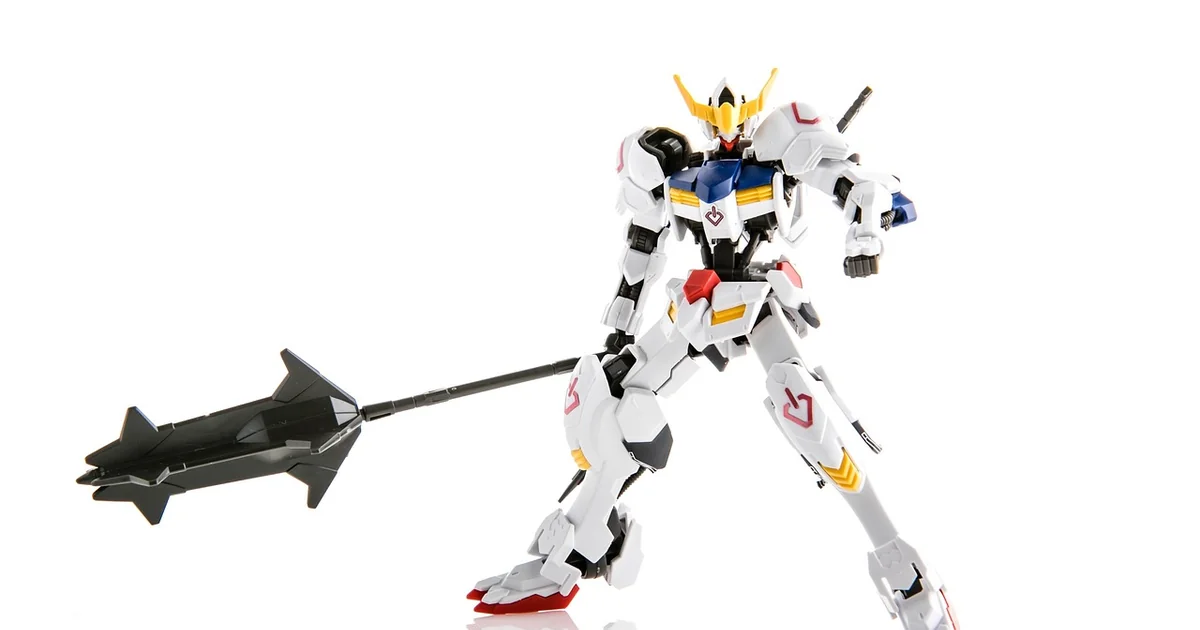
The official announcement on the Gundam website remains deliberately vague. Bandai Namco confirmed the project exists and that it is a “visual project,” which rules out a novel, a manga, or a stage play. Beyond that, concrete details are scarce. Ogata confirmed the format is not yet finalized, which suggests the production team is still deciding between several possible approaches. This ambiguity is unusual for a franchise as methodical as Gundam. Typically, Bandai Namco announces projects with clear formats and release windows. The open-ended nature of this reveal hints at something ambitious.
One possibility is a full television series. The phrase “something long” supports this, as modern anime seasons typically run 12 to 25 episodes. A series would allow the storytelling depth that Gundam Wing fans crave. Another option is a film trilogy or a multi-part OVA release. The original series had four OVAs, so returning to that format would feel familiar. A theatrical film is also possible, though Ogata’s language suggests something more substantial than a single movie. Whatever format emerges, the gundam wing visual project represents the first major animated expansion of this timeline in over two decades.
The Challenge of Managing Expectations
Fans who grew up with the original series have spent 25 years imagining what a continuation could look like. Those expectations are both a blessing and a burden for the production team. Some viewers want a direct sequel that follows the pilots into adulthood. Others hope for a reboot that modernizes the story for a new generation. A third camp wants a faithful adaptation of the Frozen Teardrop novels. The team at Bandai Namco faces the difficult task of satisfying multiple overlapping fan bases while also attracting viewers who have never seen a single episode of Gundam Wing. That balancing act likely explains the careful, measured language of the initial announcement.
2. Why This Project Matters Differently for Western Audiences
The Gundam franchise had already achieved massive success in Japan by the time Gundam Wing aired in the United States. The original Mobile Suit Gundam debuted in 1979 and spawned multiple sequels, films, and spin-offs. Japanese fans had grown up with the franchise. Western audiences, by contrast, encountered Gundam Wing as their first exposure to the entire mecha genre. It aired during a golden era of anime on Cartoon Network, alongside series like Dragon Ball Z, Sailor Moon, and Cowboy Bebop. For many viewers, Gundam Wing defined what anime could be: serious, political, and emotionally complex.
That cultural context makes the gundam wing visual project uniquely significant for Western fans. It is not just another anime revival. It is a return to a foundational text of Western anime fandom. The original series introduced themes of pacifism, colonial oppression, and the moral ambiguity of warfare to teenagers who had never encountered such ideas in animation before. Relaunching that world means reconnecting with an audience that is now in their thirties and forties, many of whom have children of their own. The project carries the weight of nostalgia while needing to stand on its own merits.
A Hypothetical Viewer Scenario
Consider a fan who watched the series as a twelve-year-old in 2000. That person is now approaching forty. They might want to share Gundam Wing with their own children, but the original animation looks dated by modern standards. The pacing of 1990s anime can feel slow to younger viewers raised on faster storytelling. A new visual project bridges that gap. It offers a modern production with updated animation, sound design, and pacing while preserving the core story and characters. For families, this could be the perfect entry point. Parents get to revisit a beloved world, and children get to experience it with contemporary production values.
3. The Frozen Teardrop Question
Between 2010 and 2015, Gundam Ace magazine serialized a novel called Frozen Teardrop. Written by Katsuyuki Sumisawa, who also wrote the original Gundam Wing series, the novel functions as a direct sequel. It takes place decades after the events of the television series and follows the next generation of characters while also revealing hidden aspects of the original pilots’ stories. The novel series has a dedicated fan following, but it has never received an animated adaptation. Many fans assumed it never would. The announcement of a new visual project has revived hopes that Frozen Teardrop might finally get its due.
Adapting Frozen Teardrop would be a logical choice. It already has a complete narrative arc, established characters, and a built-in audience. It also avoids the creative risk of inventing an entirely new story that might disappoint fans. However, the novel is dense and assumes familiarity with the original series. Adapting it for a modern audience would require careful translation of its complex plot points. The production team would need to decide whether to follow the novel faithfully or use it as a loose framework for a new story.
Alternatives to a Direct Adaptation
The new project does not have to adapt Frozen Teardrop at all. It could simply pick up where the television series left off, ignoring the novel entirely. This approach would give the writers more creative freedom. They could address unresolved plot threads from the original series without being constrained by the novel’s specific narrative choices. A direct sequel to the anime would also be more accessible to casual fans who never read the novels. The downside is that it would create two competing continuities, which could confuse the franchise timeline.
A prequel is another viable option. The original series hints at the pilots’ training and the events that led to their mission on Earth. A prequel could explore those backstories in depth. It could show the formation of the colonies, the rise of the United Earth Sphere Alliance, and the early development of the Gundam mobile suits. This approach would require minimal familiarity with the original series, making it ideal for newcomers. It would also avoid the challenge of recasting adult versions of beloved characters.
4. Decoding “Something Long”
Producer Naohiro Ogata’s comment that the project is “definitely something long” is the single most important clue about its scope. In the context of modern anime production, “long” typically means either a multi-episode series or a multi-film project. A single theatrical film, even a lengthy one, would not typically be described as “something long.” An OVA series of three to six episodes might qualify, but the phrasing suggests something more substantial. A full television season of 12 to 25 episodes is the most likely interpretation.
There is also the possibility of a multi-season commitment. Bandai Namco has invested heavily in the Gundam franchise in recent years, with multiple concurrent series and films in production. A long-form Gundam Wing project could span several years, with multiple seasons planned from the outset. This would allow for the kind of slow-burn storytelling that made the original series so compelling. It would also give the production team time to develop the world and characters without rushing the narrative.
You may also enjoy reading: AI Invades Princeton: Where Students Cheat Without Snitching.
Budget and Production Realities
Modern anime production is expensive and time-consuming. A single episode of a high-quality series can cost between $100,000 and $300,000 to produce, depending on the studio and the complexity of the animation. Mecha anime is among the most expensive genres because of the detailed mechanical designs and complex action sequences. Bandai Namco would not commit to a “long” project without confidence in its financial viability. The fact that they announced it publicly, with Ogata himself speaking about it, indicates significant internal investment. This is not a small-scale passion project. It is a major franchise initiative.
The production timeline also matters. The announcement came in spring 2026. Even if the project has been in development for years, a full series would likely not air until late 2027 or 2028 at the earliest. Animation production pipelines typically require 18 to 24 months for a single season. Fans should temper their expectations for an immediate release. The wait will likely be substantial, but the payoff could be equally substantial.
5. How the Project Could Honor the Original While Welcoming Newcomers
The original Gundam Wing series is 49 episodes long. That is a significant time investment for modern viewers accustomed to shorter seasons and binge-watching. A new gundam wing visual project has the opportunity to be a standalone entry point. It could tell a complete story that does not require watching the original series, while still rewarding longtime fans with callbacks and deeper context. This dual-audience approach is difficult to execute, but several recent anime revivals have managed it successfully.
One strategy is to set the new story far enough in the future that the original characters are legends rather than protagonists. This allows new viewers to meet fresh characters and learn the world organically, while longtime fans get to see how the original story’s consequences shaped later generations. Another approach is to reboot the story entirely, updating the setting and characters for a modern audience while preserving the core themes of resistance, pacifism, and political intrigue. A reboot would be the most accessible option for newcomers, though it risks alienating fans who love the original exactly as it is.
The Alternate Timeline Possibility
Gundam as a franchise is no stranger to alternate timelines. The original Mobile Suit Gundam established the Universal Century timeline, but subsequent series have explored countless parallel universes. Gundam Wing itself is set in an alternate timeline known as After Colony. A new project could introduce yet another timeline that reimagines the Wing story with different events and outcomes. This would give the writers maximum creative freedom. They could keep the core characters and concepts while telling an entirely new story. The risk is that it might not feel like Gundam Wing at all, which would disappoint fans expecting a direct continuation.
Ogata’s careful phrasing suggests the team is still weighing these options. The “visual project” label gives them flexibility. They have not committed to a sequel, a prequel, a reboot, or an alternate timeline. They have simply confirmed that something is coming. That openness is rare in a franchise as meticulously managed as Gundam. It suggests either that the project is still in early development or that the team wants to preserve the element of surprise. Either way, the speculation itself has become part of the excitement.
What Fans Can Do While Waiting
For those who want to prepare for the new project, now is an excellent time to revisit the original series. The 49 episodes are available on streaming platforms, and the four OVAs provide additional context. Reading Frozen Teardrop is also worthwhile, though it represents only one possible direction for the new project. Fans should approach the novels as one of several potential influences rather than a definitive blueprint. The most important thing is to manage expectations. The new gundam wing visual project will almost certainly be different from whatever fans imagine. That difference could be a source of disappointment or a source of惊喜. The choice of how to receive it belongs to each viewer.
The announcement has already achieved something remarkable. It has reunited a fan community that had largely moved on. Forums, social media groups, and fan sites that had been quiet for years are active again. Fans are sharing memories, debating theories, and introducing the series to a new generation. Whether the final project meets those expectations or defies them, the conversation itself is a testament to the enduring power of Gundam Wing. Twenty-five years after it first aired, five teenage pilots are still bringing people together.
Bandai Namco has not revealed a release window, a format, or even a confirmed title. What they have revealed is intent. The gundam wing visual project is real, it is in development, and it is going to be substantial. For a fanbase that has waited decades for any new animated content, that is more than enough to justify the excitement. The wait for details continues, but the wait for Gundam Wing’s return is finally over.