As the demand for artificial intelligence (AI) continues to grow, the need for powerful computing resources has become increasingly crucial. Cloud-based GPU services have emerged as a vital component in enabling organizations to access high-performance computing capabilities on-demand. A recent development in this space has been the announcement by CoreWeave of a multi-year agreement with Anthropic, one of the leading AI model providers.
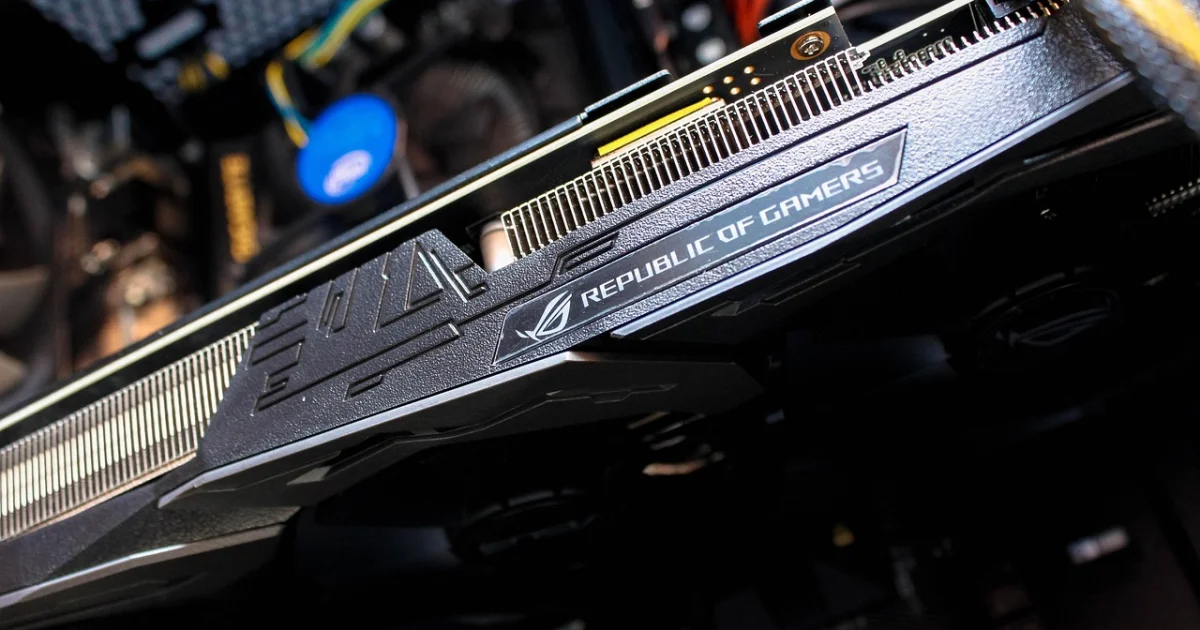
Understanding the Significance of GPU Cloud Services
GPU cloud services have revolutionized the way organizations approach AI development and deployment. By leveraging cloud-based infrastructure, businesses can access high-performance computing resources without the need for significant upfront investments in hardware and infrastructure. This model has enabled organizations to adopt AI more rapidly and efficiently, driving innovation and growth.
The Rise of CoreWeave
CoreWeave, a company that was founded in 2017 as Atlantic Crypto, has undergone a remarkable transformation. Initially focused on Ethereum mining, the company pivoted to offering GPU-on-demand cloud services for general computing purposes. This strategic shift proved to be transformative, as the AI model training boom that began in earnest in 2023 turned CoreWeave’s stockpile of Nvidia hardware into one of the most valuable infrastructure positions in technology.
In 2025, CoreWeave went public on Nasdaq under the ticker CRWV, raising $1.5 billion and valuing the company at approximately $23 billion. With a presence in 32 data centers and over 250,000 GPUs, CoreWeave has established itself as a leading player in the GPU cloud services market. The company’s revenue in 2025 was a staggering $5.13 billion, representing a 168% increase year-over-year. Management has guided for more than $12 billion in 2026 revenue, backed by a contracted backlog exceeding $66 billion.
Challenges in the GPU Cloud Services Market
While the growth of the GPU cloud services market has been impressive, it also presents several challenges for organizations. One of the primary concerns is the concentration risk associated with relying on a single hyperscaler. Microsoft, for instance, accounted for approximately 67% of CoreWeave’s 2025 revenue, raising concerns about the company’s dependence on a single customer. The strategic variable introduced by Microsoft’s push to develop its own AI models further complicates the situation, as it may lead to a shift in compute demand towards in-house infrastructure rather than third-party GPU cloud rental.
Another challenge in the GPU cloud services market is the need for scalable and secure infrastructure. As organizations continue to adopt AI, their computing requirements grow exponentially, placing a premium on infrastructure that can scale to meet demand. Moreover, the security risks associated with cloud-based infrastructure must be mitigated to ensure the integrity of AI models and sensitive data.
Anthropic’s Compute Strategy
Anthropic, a leading AI model provider, has grown its compute strategy in tandem with its revenue. The company’s annualized revenue run rate surpassed $30 billion in early April 2026, more than three times the $9 billion figure it recorded at the end of 2025. This acceleration has driven Anthropic to expand its infrastructure commitments across multiple chip architectures simultaneously.
Accessing Nvidia GPU Capacity
Anthropic’s deal with CoreWeave provides access to Nvidia GPU capacity for production inference workloads, running at the scale and latency performance required by enterprise Claude deployments. This partnership fills a critical gap in Anthropic’s compute strategy, enabling the company to leverage CoreWeave’s vast infrastructure capacity to support its AI model training and deployment needs.
You may also enjoy reading: I Ditched Shady PDF Sites: 5 Essential Tools for Your Fully Client-Side Bureaucracy….
As Anthropic continues to grow, its compute needs will only become more complex. The company’s commitment to expanding its ecosystem of developers and enterprises building on Claude is now driving compute procurement decisions like the CoreWeave deal. By partnering with CoreWeave, Anthropic has secured a strategic advantage in accessing high-performance computing resources, positioning the company for continued growth and success in the AI market.
Strategic Value of CoreWeave’s Deal with Anthropic
The CoreWeave-Anthropic deal represents a significant strategic move for both parties. For CoreWeave, the partnership provides a critical foothold in the AI market, enabling the company to tap into Anthropic’s vast computing needs. By diversifying its customer base, CoreWeave reduces its dependence on any single hyperscaler, mitigating the concentration risk associated with its business model.
Benefits of Diversified Customer Base
By partnering with multiple AI model providers, including Anthropic, CoreWeave can spread its risk and increase its revenue streams. This diversified customer base enables CoreWeave to better navigate the complexities of the AI market, adapting to changing compute needs and strategic variables introduced by hyperscalers like Microsoft.
Scaling AI Development and Deployment
As the demand for AI continues to grow, the need for scalable and secure infrastructure becomes increasingly critical. By leveraging cloud-based GPU services, organizations can access high-performance computing resources without the need for significant upfront investments in hardware and infrastructure.
Best Practices for Scaling AI Development and Deployment
When scaling AI development and deployment, organizations should consider the following best practices:
- Assess Compute Needs: Carefully evaluate compute requirements to ensure that infrastructure can scale to meet demand.
- Choose the Right Cloud Service: Select a cloud service provider that offers high-performance computing capabilities, scalability, and security.
- Optimize Infrastructure: Configure infrastructure to optimize performance, reducing latency and improving overall efficiency.
- Implement Security Measures: Implement robust security measures to protect AI models and sensitive data.
- Monitor and Analyze Performance: Continuously monitor and analyze performance to identify areas for improvement and optimize infrastructure accordingly.