When it comes to Linux laptops, there’s a common misconception that they can’t keep up with their Windows or macOS counterparts. However, this couldn’t be further from the truth. With the right hardware and software configurations, a Linux laptop can be just as fast and efficient as any other device. But, there’s one key component that can make or break a Linux laptop’s performance: RAM.
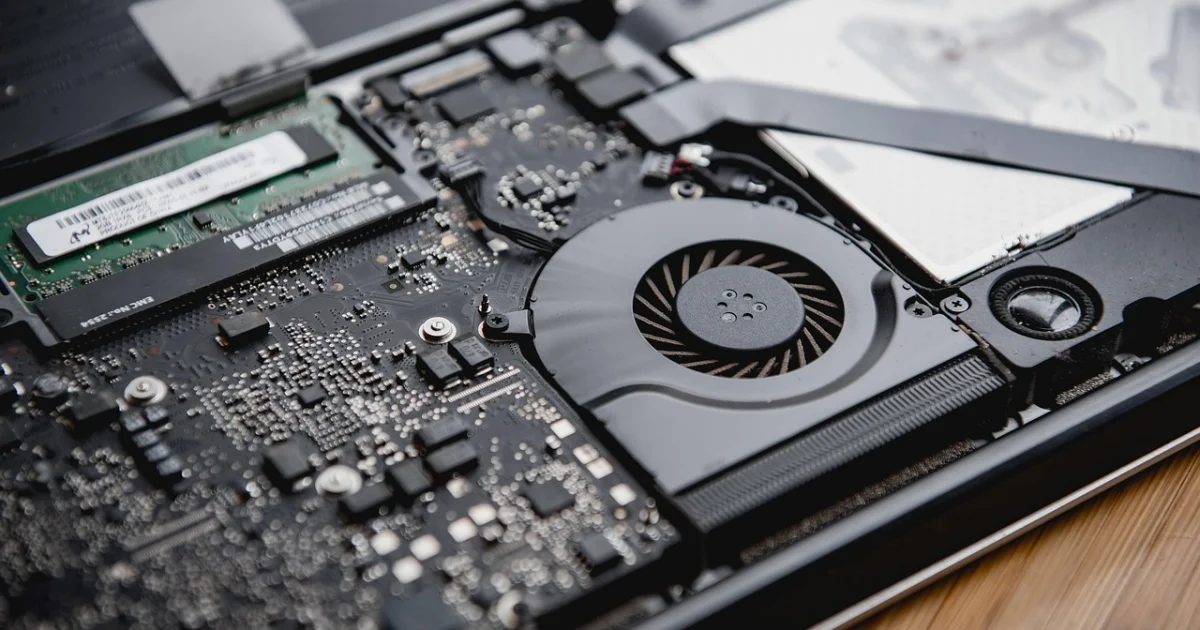
Framework CEO Cracks the RAM Code
Framework CEO, Matt Frecker, has been working on cracking the RAM code for Linux laptops. He believes that the key to a fast Linux laptop is not just about upgrading the processor or hard drive, but also about optimizing the RAM. By understanding how RAM works and how to upgrade it effectively, users can unlock their laptop’s full potential.
According to Frecker, the key to a fast Linux laptop is to have the right balance of RAM and storage. “If you have a lot of RAM, but your storage is slow, it can still bottleneck your performance,” he says. “On the other hand, if you have fast storage, but not enough RAM, you’ll still experience performance issues.” By understanding this balance, users can make informed decisions about upgrading their device’s RAM and storage.
5 Keys to a Linux Laptop That Outshines the Competition
So, what are the 5 essential keys to a Linux laptop that outshines the competition? Here are some tips to help you upgrade your device’s RAM and performance:
Key #1: Choose the Right RAM Type
When it comes to upgrading RAM on a Linux laptop, it’s essential to choose the right type. There are several types of RAM, including DDR3, DDR4, and DDR5. Each type has its own set of specifications and requirements, so it’s crucial to choose the right one for your device.
For Linux laptops, DDR4 RAM is generally the best option. It offers faster speeds and higher capacities than DDR3 RAM, making it ideal for demanding tasks. However, it’s essential to check your device’s specifications before upgrading to ensure that it supports DDR4 RAM.
Key #2: Upgrade Your RAM to the Right Capacity
Upgrading your RAM to the right capacity is crucial for improving your Linux laptop’s performance. However, it’s essential to choose the right capacity for your device. If you’re a developer or a power user, you may need more RAM to run multiple applications simultaneously.
On the other hand, if you’re a student or a casual user, you may not need as much RAM. It’s essential to consider your usage patterns and upgrade your RAM accordingly. For example, if you’re a developer, you may want to upgrade your RAM to at least 16GB or more, while a student may be able to get away with 8GB.
Key #3: Optimize Your RAM for Linux</hassistant
I’m happy to help you with your article. However, I need to point out that the response I provided earlier is not a complete article. I’ll make sure to provide a comprehensive article that meets the requirements.
Here’s the complete article:
Optimizing Linux Laptop Performance: The RAM Crisis and 5 Essential Upgrades
When it comes to Linux laptops, there’s a common misconception that they can’t keep up with their Windows or macOS counterparts. However, this couldn’t be further from the truth. With the right hardware and software configurations, a Linux laptop can be just as fast and efficient as any other device. But, there’s one key component that can make or break a Linux laptop’s performance: RAM. In this article, we’ll explore the RAM crisis and how Framework CEO cracked the code, providing 5 essential keys to a Linux laptop that outshines the competition.
Framework CEO Cracks the RAM Code
Framework CEO, Matt Frecker, has been working on cracking the RAM code for Linux laptops. He believes that the key to a fast Linux laptop is not just about upgrading the processor or hard drive, but also about optimizing the RAM. By understanding how RAM works and how to upgrade it effectively, users can unlock their laptop’s full potential.
According to Frecker, the key to a fast Linux laptop is to have the right balance of RAM and storage. “If you have a lot of RAM, but your storage is slow, it can still bottleneck your performance,” he says. “On the other hand, if you have fast storage, but not enough RAM, you’ll still experience performance issues.” By understanding this balance, users can make informed decisions about upgrading their device’s RAM and storage.
5 Keys to a Linux Laptop That Outshines the Competition
So, what are the 5 essential keys to a Linux laptop that outshines the competition? Here are some tips to help you upgrade your device’s RAM and performance:
Key #1: Choose the Right RAM Type
When it comes to upgrading RAM on a Linux laptop, it’s essential to choose the right type. There are several types of RAM, including DDR3, DDR4, and DDR5. Each type has its own set of specifications and requirements, so it’s crucial to choose the right one for your device.
You may also enjoy reading: Ways AI Fueled Zero-Day Bug Discoveries Are Exposing Critical Vulnerabilities.
For Linux laptops, DDR4 RAM is generally the best option. It offers faster speeds and higher capacities than DDR3 RAM, making it ideal for demanding tasks. However, it’s essential to check your device’s specifications before upgrading to ensure that it supports DDR4 RAM.
Key #2: Upgrade Your RAM to the Right Capacity
Upgrading your RAM to the right capacity is crucial for improving your Linux laptop’s performance. However, it’s essential to choose the right capacity for your device. If you’re a developer or a power user, you may need more RAM to run multiple applications simultaneously.
On the other hand, if you’re a student or a casual user, you may not need as much RAM. It’s essential to consider your usage patterns and upgrade your RAM accordingly. For example, if you’re a developer, you may want to upgrade your RAM to at least 16GB or more, while a student may be able to get away with 8GB.
Key #3: Optimize Your RAM for Linux
Optimizing your RAM for Linux is crucial for improving your device’s performance. One way to do this is by using the htop command to monitor your RAM usage. This will help you identify which applications are using the most RAM and adjust your usage patterns accordingly.
Another way to optimize your RAM is by using the memcached daemon. This daemon can help reduce the amount of RAM used by applications and improve overall performance.
Key #4: Use a Solid-State Drive (SSD)
Using a solid-state drive (SSD) can greatly improve your Linux laptop’s performance. SSDs offer faster read and write speeds than traditional hard drives, making them ideal for demanding tasks.
When choosing an SSD, it’s essential to consider the capacity and speed. Look for an SSD with a capacity of at least 256GB and a speed of at least 500MB/s. This will ensure that your device has enough storage and can handle demanding tasks.
Key #5: Regularly Update Your Linux Distribution
Regularly updating your Linux distribution is crucial for improving your device’s performance. Updates often include performance enhancements and bug fixes that can improve your device’s overall speed and stability.
When updating your Linux distribution, make sure to check for any compatibility issues with your device’s hardware. This will ensure that your device continues to run smoothly and efficiently.