The wearables landscape rarely experiences a true pivot point. Yet, when Google put a spotlight on the Fitbit Air, it felt like a distinct shift in momentum. The conversation officially moved away from cramming more apps onto tiny screens. Instead, it returned to the core purpose of a wrist-worn device: improving our physical health. This has reignited a fascinating debate centered on the fitbit air vs smartwatch dynamic, forcing us to ask whether simpler hardware actually delivers a better lifestyle outcome.
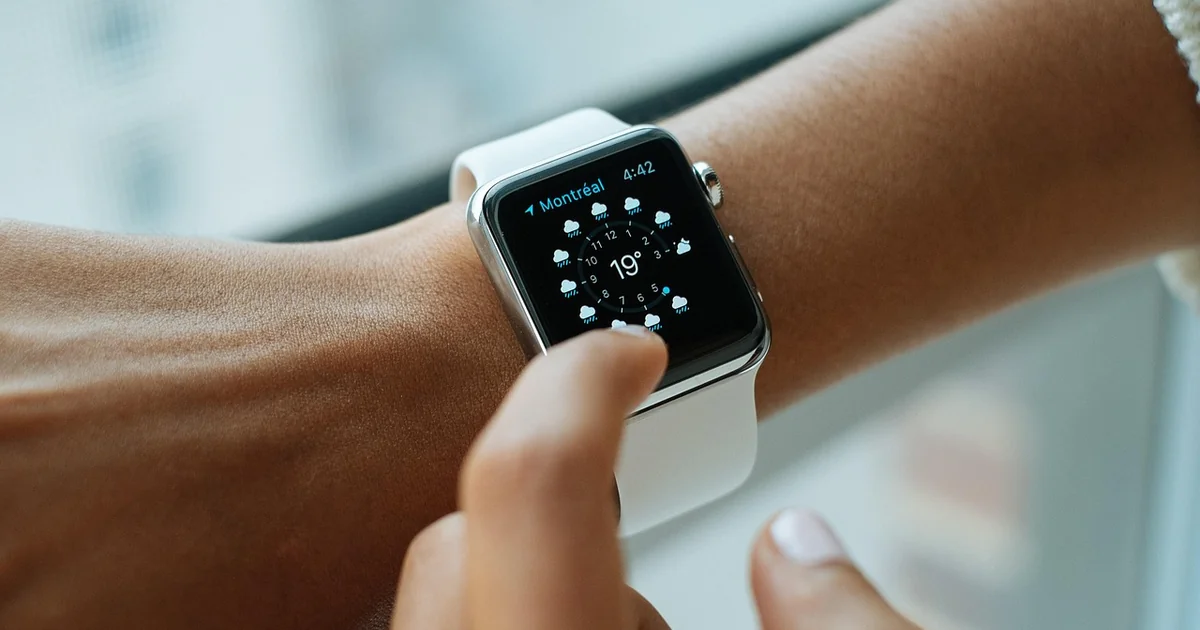
For nearly a decade, the smartwatch was king. It pushed the humble fitness band into a forgotten corner. But the numbers, as they often do, hid a deeper truth. The smartwatch itself has morphed into something else entirely. What began as a micro-computer for your wrist is now essentially a feature-rich fitness tracker with a larger display. The Fitbit Air is not just a new product. It is a confirmation of this trend. It is a sign that the fitness tracker has, in many meaningful ways, won the race. Here are the five ways a dedicated tracker beats a general-purpose smartwatch.
How the fitbit air vs smartwatch battle reveals our true priorities
The announcement of the Fitbit Air sent a clear signal. Users are no longer dazzled by the promise of a phone on their wrist. They want a tool that makes them healthier, stronger, and more rested. The modern smartwatch, even the mighty Apple Watch, has quietly admitted this. The Series 11 is no longer sold as a communication device first. It is marketed as the “ultimate health and fitness companion.” The Fitbit Air simply takes this philosophy to its logical extreme. It removes the screen bloat and focuses entirely on the body.
The historical irony of the wrist computer
Back in 2015, Apple described its original Watch as an “accurate timepiece, an intimate and immediate communication device, and a groundbreaking health and fitness companion.” Notice the order. Communication came before health. Today, the list is reversed. The fitbit air vs smartwatch argument is not really about hardware specs. It is about a fundamental shift in how we view wearable technology. We no longer need a second screen for notifications. We need a coach, a motivator, and a silent guardian for our well-being. The tracker wins this battle because it never forgets its primary job.
1. The Unbeatable Comfort of Purpose-Built Hardware
You cannot track what you do not wear. This sounds obvious, but it is the single biggest failure of the modern smartwatch. A bulky stainless steel case with a rigid strap is not designed for 24/7 wear. It digs into your wrist during sleep. It catches on your clothes. It feels heavy after a long day. The Fitbit Air inherits the DNA of the classic fitness band. It is light, low-profile, and practically disappears on your wrist.
Sleep tracking demands a different shape
Accurate sleep tracking requires compliance. You need to wear the device for eight hours every single night without discomfort. Smartwatches struggle here. Users often take them off at bedtime to charge or because the weight bothers them. The Fitbit Air, like the best trackers before it, is designed to be forgotten. Its strap is flexible. Its casing is minimal. This allows for continuous heart rate monitoring and sleep stage analysis without interrupting your rest. The fitbit air vs smartwatch conversation starts and ends with wearability. If you do not wear it, it cannot help you.
The material difference
Smartwatches often prioritize premium materials like stainless steel, titanium, and ceramic. These look great but add weight. Fitness trackers prioritize performance materials. Soft silicone, lightweight aluminum, and nylon bands are standard. This is not a compromise. It is a deliberate design choice that prioritizes function over fashion. For the person who wants to run, swim, sleep, and work without taking off their device, the tracker is the obvious choice.
2. Battery Life That Respects Your Routine
The biggest pain point for smartwatch owners is charging anxiety. The Apple Watch Series 11, despite its advancements, still offers roughly 24 hours of battery life. This forces you into a daily charging routine. If you forget, your watch dies during the night, and you lose an entire night of sleep data. This is a fundamental design flaw for a device that claims to prioritize health.
Breaking the daily charge cycle
The Fitbit Air changes this equation dramatically. Dedicated fitness trackers have historically offered five to seven days of battery life, sometimes more. This means you can wear it all weekend without packing a charger. You can track a full week of sleep without gaps. The continuous data stream is infinitely more valuable than a few extra apps on your wrist. The battery alone is a decisive factor in the fitbit air vs smartwatch comparison.
Continuous monitoring without gaps
Health metrics like resting heart rate, heart rate variability (HRV), and sleep consistency require long-term trends. A single night of data is useless. A week of data is interesting. A month of data is powerful. Smartwatches, with their short battery life, often miss these critical windows. A tracker with a week-long battery fills in the blanks. It creates a complete picture of your health, not a fragmented sketch.
3. Escaping the Notification Trap
The original promise of the smartwatch was one of convenience. A quick glance at your wrist would save you from pulling out your phone. In reality, it created a new layer of distraction. Your wrist vibrates constantly. Emails, news alerts, social media pings, and calendar reminders demand your attention. Instead of freeing you, the smartwatch chains you tighter to the digital firehose.
Reclaiming your attention span
The fitness tracker offers a digital detox for your wrist. It buzzes for one thing and one thing only: your body. It reminds you to move when you have been sitting too long. It tells you when you have achieved your step goal. It nudges you toward an earlier bedtime. This focused feedback loop is healthier for your brain. It reduces stress and keeps you present in the moment. The tracker beats the watch because it respects your attention.
The quiet wrist revolution
Many users report feeling more relaxed when they switch from a smartwatch to a tracker. The silence is golden. You still get the data you need, but you lose the noise. The Fitbit Air embraces this philosophy. It is a tool for wellness, not a hub for communication. For families, this is especially important. Parents want to track their child’s activity without subjecting them to the distractions of a connected smartwatch. The tracker wins this battle for mental clarity hands down.
You may also enjoy reading: Data Center Guzzled 30 Million Gallons: 5 Unnoticed Signs.
4. Deeper Data Minus the Distractions
Smartwatches are generalists. They try to be a GPS, a music player, a map, a wallet, a phone, and a fitness tracker all at once. To fit all these functions into one device, compromises are made. Sensors might be less accurate. Data processing might be slower. The user interface becomes cluttered. A dedicated fitness tracker has one job: collect accurate health data and present it clearly.
Specialized sensors for serious metrics
The Fitbit Air can afford to pack specialized sensors precisely because it skips the other bloat. It focuses on optical heart rate monitors, SpO2 sensors, skin temperature sensors, and accelerometers that are optimized for movement tracking. The algorithms powering these sensors are often more refined because the entire software stack is built around health, not app management. When you compare fitbit air vs smartwatch data accuracy, the tracker frequently wins because it eliminates multitasking overhead.
The rise of the AI health coach
The future of wearables is not about screen size. It is about actionable insights. The Fitbit Air integrates deeply with Google’s AI capabilities to analyze your readiness, sleep quality, and stress levels. It tells you what to do next. A smartwatch might show you a chart. The tracker gives you a plan. This shift from raw data to guided coaching is the killer feature of the new generation of trackers. The smartwatch, burdened by its legacy as a communication device, is slower to adapt to this coaching model.
Cleaner interfaces for faster understanding
Have you ever tried to find your sleep score on a smartwatch? It often involves digging through menus, tapping multiple icons, and waiting for apps to load. On a tracker like the Fitbit Air, the data is front and center. The interface is simple. You see your steps, your heart rate, and your sleep score immediately. Less time fiddling means more time living. This simplicity is the tracker’s superpower.
5. Making Health Tracking Accessible for Everyone
Health technology should not be a luxury item. The average smartwatch costs between $400 and $800. This price tag puts a significant barrier between families and their wellness goals. The Fitbit Air, competing directly with devices like the Whoop band, comes in at a fraction of the cost. It democratizes access to advanced health metrics.
Lowering the barrier to entry
For a family of four, buying smartwatches for everyone is financially impractical. But a family pack of fitness trackers is affordable. This allows parents to track their own health while also keeping an eye on their children’s activity levels. The Fitbit Air makes it possible for entire households to engage in fitness challenges together, track sleep consistency, and encourage daily movement without breaking the bank.
Better value for targeted needs
Why pay for a cellular antenna, a speaker, a microphone, and a color screen if you only want a fitness tracker? The fitbit air vs smartwatch value proposition is clear. You are not paying for hardware you will never use. Every dollar you spend on the Fitbit Air goes toward better sensors, longer battery life, and smarter AI. You get a premium health experience without subsidizing the cost of a phone replacement. This is the smart consumer choice for anyone focused on fitness.
Inclusive design for all ages
Smartwatches can be intimidating for older adults or young children. The interfaces are complex. The notification overload is confusing. The Fitbit Air is approachable. It is designed for anyone who wants to move more and sleep better. This inclusive design philosophy ensures that health tracking is not limited to tech enthusiasts. It becomes a tool for the whole family, from grandparents tracking their daily steps to teenagers monitoring their sleep hygiene.
The recent announcement of the Fitbit Air is more than just a product launch. It is a declaration of intent. Google has looked at the wearables market and concluded that the future belongs to focused, comfortable, and intelligent health trackers. The smartwatch did not fail. It evolved into something else. It became a fitness tracker in a smartwatch’s clothing. The Fitbit Air strips away the pretense and delivers exactly what our bodies need: consistent monitoring, actionable coaching, and the freedom to stay disconnected from the digital noise.