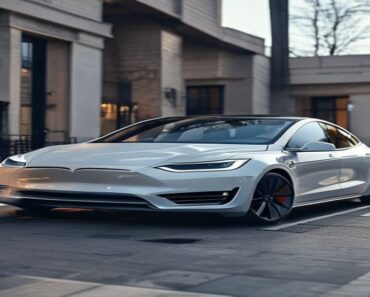
The recent surge in Europe’s electric vehicle (EV) sales has sent shockwaves throughout the continent, with a staggering 51% increase in March 2026 alone. As the world grapples with the ongoing conflict in the Middle East, Europe’s reliance on imported oil has become a pressing concern. With the EV market continuing to grow at breakneck speed, it’s clear that the continent is shifting towards a more sustainable and energy-secure future.
Europe’s EV Sales Surge to 51%: A New Era in Energy Security
According to new data from New Automotive and E-Mobility Europe, battery-electric vehicle (BEV) registrations jumped 51% in March 2026 across 14 key EU and European Free Trade Association (EFTA) markets. This remarkable growth translates to over 224,000 new EVs registered in March, accounting for 22% of all new car sales in those markets – and an estimated 21.2% across the EU.
Key Drivers Behind the Surge
So, what’s behind this remarkable surge in EV sales? Experts point to a combination of factors, including the introduction of new incentives, the growing importance of energy security, and the increasing affordability of electric vehicles. “The data suggests that EV adoption is no longer just about climate targets or cost savings – it’s increasingly tied to energy security,” says Chris Heron, secretary-general of E-Mobility Europe.
Europe’s Reliance on Imported Oil: A Growing Concern
As the conflict in the Middle East intensifies, Europe’s reliance on imported oil has become a pressing concern. The region’s dependence on fossil fuels has long been seen as a weak point, especially given its reliance on imported oil. However, with the EV market continuing to grow, Europe is slowly but surely reducing its reliance on imported oil. Every electric vehicle registered means Europe is less reliant on imported oil, and at a time when energy security has moved to the top of the political agenda, the EV transition is delivering real and measurable resilience.
Italy: A Standout Story in the EV Transition
Italy is one of the standout stories in the EV transition, with registrations up 65% year to date. After sitting at around a 5% EV market share at the end of 2025, it climbed to 8.6% in March, driven by a combination of new incentives and growing consumer demand. Germany is also rebounding, with around 1 in 4 new cars registered in March being fully electric, driving a 42% year-to-date increase.
France: A Leader in EV Adoption
France continues to lead among large markets, with EVs making up 28% of March sales. Its social leasing scheme is helping push growth to nearly 50% year to date, making it an attractive option for consumers and fleets alike. Meanwhile, Norway continues to set the global benchmark, with 98.4% of new car registrations in March fully electric.
The Nordic Countries: A Model for the Rest of Europe
The Nordic countries are still far ahead of the pack when it comes to EV adoption. Denmark saw 76.6% of new car sales go fully electric in March, while Finland reached nearly 50%. These countries have long been leaders in the EV transition, and their success can serve as a model for the rest of Europe.
What’s Next for the EV Transition in Europe?
So, what’s next for the EV transition in Europe? Experts predict that the pace of change will only continue to accelerate, with Europe’s EV transition potentially picking up pace even further through 2026. With the current oil situation showing no signs of abating, the need for energy security has never been more pressing. As Ben Nelmes, CEO of New Automotive, notes, “The EV transition is delivering real and measurable resilience. The pace of change we’re now seeing across major European markets – including countries like Italy and Poland that were slower to start – suggests the transition has entered a new phase.”
The Benefits of the EV Transition: A Growing List
As the EV transition continues to gain momentum, the benefits are becoming increasingly clear. From reducing reliance on imported oil to improving air quality and decreasing greenhouse gas emissions, the advantages of electric vehicles are undeniable. But what other benefits can we expect to see as the EV transition continues to accelerate?
One key benefit is the potential for job creation and economic growth. As the demand for electric vehicles continues to grow, new industries and job opportunities will emerge to meet the need for charging infrastructure, manufacturing, and maintenance. Additionally, the EV transition is likely to have a positive impact on local economies, as consumers and fleets invest in new technologies and infrastructure.
Challenges Ahead: Overcoming the Hurdles to Widespread Adoption
While the EV transition is making rapid progress, there are still several challenges to overcome before widespread adoption becomes a reality. One key hurdle is the need for widespread charging infrastructure. While progress has been made in recent years, there is still a significant gap in terms of charging points, particularly in rural areas. Additionally, the cost of electric vehicles remains a barrier for many consumers, particularly in lower-income households.
Practical Solutions to Overcome the Challenges
So, what practical solutions can be implemented to overcome the challenges to widespread adoption? One key approach is to focus on increasing investment in charging infrastructure, particularly in rural areas. This could involve working with governments, private companies, and other stakeholders to develop and implement comprehensive charging plans. Additionally, initiatives to reduce the cost of electric vehicles, such as subsidies and incentives, could help make them more accessible to a wider range of consumers.
Conclusion: A New Era in Energy Security
The recent surge in Europe’s EV sales marks a significant turning point in the continent’s transition to a more sustainable and energy-secure future. As the demand for electric vehicles continues to grow, it’s clear that the region is slowly but surely reducing its reliance on imported oil. With the current oil situation showing no signs of abating, the need for energy security has never been more pressing. As Europe’s EV transition continues to accelerate, one thing is certain: the future of transportation is electric, and it’s here to stay.