Have you ever noticed how your dryer’s energy consumption can vary significantly depending on the time of day? While many of us are accustomed to loading up the washer and dryer at any hour, there’s a catch to this habit that can save you money on your energy bills, but only if you’re aware of it. By understanding the impact of peak and off-peak energy usage, you can optimize your laundry schedule to reduce your energy expenses and make a more environmentally friendly choice.
Automating Energy-Saving Habits: A Key to Cost Savings
Laundry is a necessary chore that we all face, but it doesn’t have to break the bank. One of the simplest ways to save money on your energy bills is by automating your energy-saving habits. With the rise of smart home devices and energy management systems, it’s now easier than ever to optimize your energy usage and reduce your expenses. By installing a smart thermostat or energy management system, you can automate your energy-saving habits and ensure that your dryer runs during the most energy-efficient times of the day.
For instance, if you live in an apartment with limited laundry facilities, you might not have access to a dedicated laundry room. In this case, you can still optimize your energy usage by using a smart plug or energy monitor to track your energy consumption and adjust your laundry schedule accordingly. This way, you can avoid using your dryer during peak hours and reduce your energy costs.
Optimizing Dryer Usage for Specific Households
Households with multiple family members can benefit greatly from optimizing their dryer usage. When multiple people are doing laundry at the same time, the energy consumption can add up quickly. To avoid this, consider implementing a schedule where each person does their laundry during designated times of the day. This not only ensures that the energy usage is spread out but also reduces the likelihood of overloading the dryer.
For households with young children who generate a lot of laundry, it’s essential to establish a laundry routine that works for everyone. One way to do this is by designating specific days for laundry and allocating a specific time slot for each family member to do their laundry. This way, you can avoid overloading the dryer and reduce energy consumption.
Understanding Peak and Off-Peak Energy Usage
So, what exactly is peak and off-peak energy usage? Peak energy usage occurs during the day when the demand for electricity is high, usually between 4 pm and 7 pm. During this time, the energy grid is under a lot of stress, and the energy prices are often higher. On the other hand, off-peak energy usage occurs during late evening and early morning hours when the energy demand is lower. By shifting your laundry schedule to off-peak hours, you can save money on your energy bills.
For example, if your energy provider charges you 15 cents per kilowatt-hour during peak hours and 8 cents per kilowatt-hour during off-peak hours, shifting your laundry schedule to off-peak hours can save you up to 57% on your energy bills.
Exploring Alternative Laundry Methods
While optimizing your dryer usage is a great way to save money, it’s not the only option. Alternative laundry methods such as line drying or using a heat pump dryer can also be energy-efficient and cost-effective. For example, line drying your clothes can reduce energy consumption by up to 80% compared to using a traditional dryer.
Another option is to use a heat pump dryer, which can reduce energy consumption by up to 50% compared to a traditional dryer. Heat pump dryers work by using a refrigerant to cool the air, rather than heating it, making them a more energy-efficient option.
What If I Forget to Switch the Dryer to a More Energy-Efficient Time?
Forgetting to switch the dryer to a more energy-efficient time is a common mistake that can lead to increased energy consumption and higher bills. However, there are ways to avoid this. One option is to install an energy management system that can automatically adjust your dryer’s schedule based on the energy prices and your personal preferences. Another option is to use a smart plug that can track your energy consumption and alert you when you’re using energy during peak hours.
You may also enjoy reading: Europe's EV Sales Hit 51% Milestone: How Cheap Oil is Flooding the Market.
How Do I Know Which Times of Day Are Actually More Energy-Efficient?
To determine which times of day are more energy-efficient, you can check your energy provider’s website or contact their customer service. They can provide you with a list of peak and off-peak hours based on your location and energy plan. You can also use online tools and apps that can help you track your energy consumption and provide personalized recommendations for energy-saving.
Why Does the Energy-Saving Benefit Only Apply at Certain Times of Day?
The energy-saving benefit only applies at certain times of day because of the way energy is generated and distributed. During peak hours, the energy grid is under a lot of stress, and the energy prices are higher. This is because many households are using energy-intensive appliances such as air conditioners, refrigerators, and dryers during this time. On the other hand, off-peak hours have lower energy demand, and the energy prices are lower.
Practical Tips for Reducing Energy Consumption in the Home
Reducing energy consumption in the home is not just about optimizing your dryer usage. Here are some practical tips to help you save energy and money:
- Turn off lights, electronics, and appliances when not in use
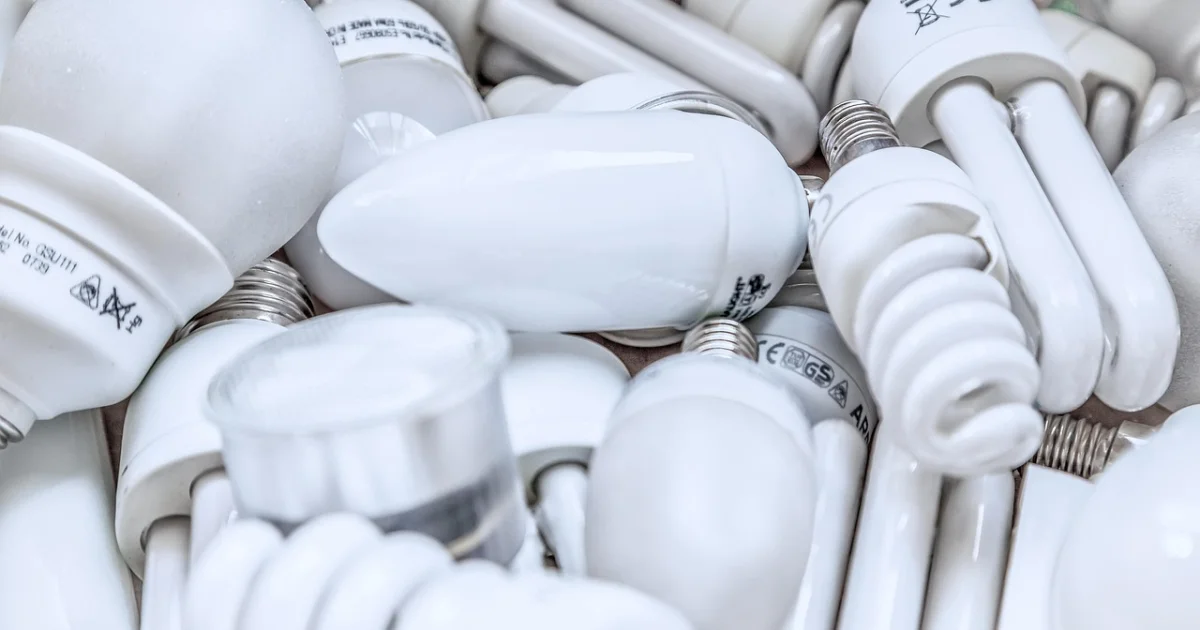
- Use energy-efficient light bulbs
- Adjust your thermostat to use less energy for heating and cooling
- Use power strips to plug in electronics and turn them off with one switch
- Insulate your home to reduce heat loss
- Use a programmable thermostat to optimize your heating and cooling schedule
Conclusion
By understanding the impact of peak and off-peak energy usage and optimizing your dryer schedule, you can save money on your energy bills and make a more environmentally friendly choice. Remember to automate your energy-saving habits, explore alternative laundry methods, and use practical tips to reduce energy consumption in the home. With a little effort and planning, you can save money and reduce your carbon footprint.
Energy Saving Tips
Here are some additional energy-saving tips to help you reduce your energy consumption and save money:
- Wash clothes in cold water to reduce energy consumption
- Use a full load in the dryer to reduce the number of cycles needed
- Don’t forget to switch the dryer to a more energy-efficient time
- Consider using a clothesline or drying rack for certain items
- Adjust your laundry schedule to avoid peak hours
By implementing these energy-saving tips, you can reduce your energy consumption and save money on your energy bills. Remember to always check with your energy provider for the most up-to-date information on peak and off-peak hours and to explore alternative laundry methods that can help you save even more energy and money.