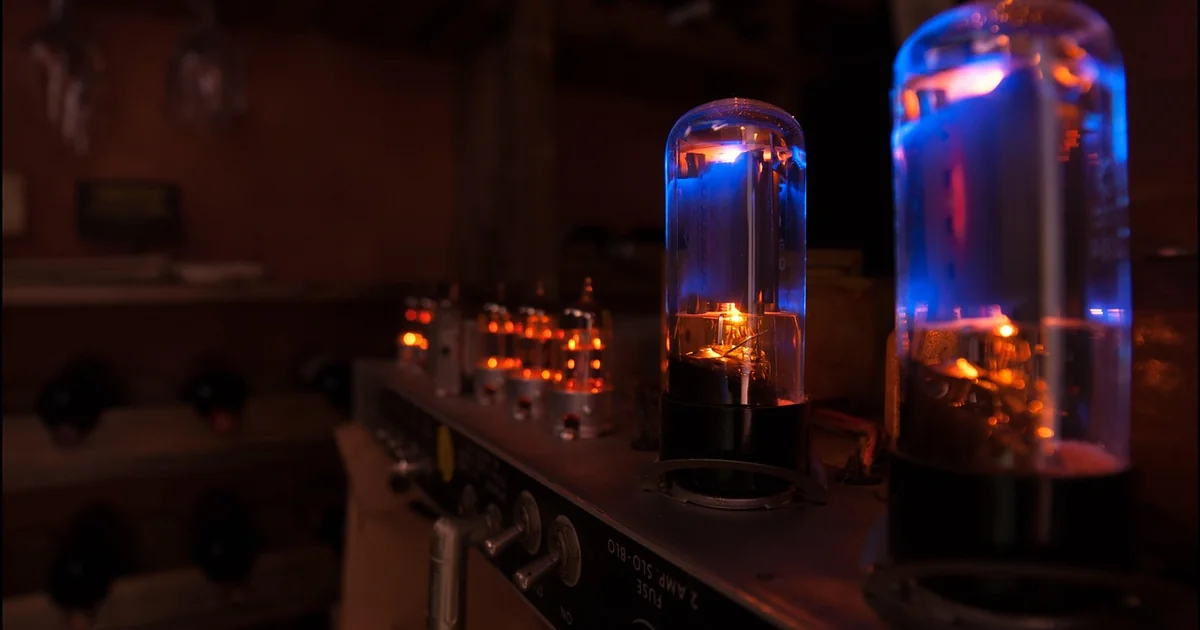
Stepping into the world of high-fidelity audio often feels like walking into a showroom of polished chrome and astronomical price tags. For many enthusiasts, the barrier to entry isn’t just the technical knowledge required, but the sheer financial weight of modern “audiophile” gear. There is a growing movement of builders who are rejecting the gold-plated excess of the current market in favor of something much more tactile, grounded, and rewarding. A recent project by Bettina Neumryr perfectly captures this spirit, utilizing a 1955 circuit design to prove that soul in audio comes from engineering, not from a luxury brand name. This approach to a diy tube amplifier reminds us that the most satisfying builds are often those that embrace the grit of scavenging and the lessons learned from trial and error.
The Philosophy of Scavenging in Modern Audio
When most people think of a high-end audio build, they imagine a pristine workbench covered in brand-new, precision-measured components. However, there is a profound educational value in the “junk box” methodology. By sourcing parts from older electronics or salvaged kits, a builder learns to respect the physical properties of every capacitor, resistor, and transformer. This isn’t just about saving money; it is about understanding the history of electronic design. When you pull an output transformer from a discarded piece of vintage equipment, you are interacting with the era that defined modern sound.
This method also forces a level of problem-solving that modern “plug-and-play” kits simply cannot provide. If a component is aged or slightly out of spec, you cannot simply order a replacement from a premium supplier and expect a perfect result. You must instead learn how to compensate for those variations within the circuit itself. This creates a deeper connection between the maker and the machine, turning a simple assembly task into a genuine engineering challenge.
1. Embracing Vintage Circuit Architectures
Modern tube designs often suffer from over-complication, adding layers of circuitry that serve more to justify a high price than to improve the sonic signature. By looking back at designs from the mid-1950s, builders can find incredibly elegant solutions to signal amplification. For instance, the project featuring a two-tube transformerless splitter circuit driving a push-pull output is a masterclass in efficiency. This specific architecture allows for a clean separation of the signal before it reaches the power stage, ensuring that the drive to the output tubes is robust and stable.
Using a design from 1955 provides a roadmap that has already been vetted by decades of practical use. These older schematics often rely on fundamental physics rather than complex, modern signal processing. For someone starting their journey with a diy tube amplifier, these classic layouts are much more forgiving and easier to troubleshoot. They allow you to see the direct relationship between a specific component and the resulting sound, rather than getting lost in a sea of modern surface-mount technology.
2. The Art of the Repurposed Chassis
In the professional audio world, a chassis is often a heavy, expensive piece of machined aluminum or steel. While these look impressive, they can feel disconnected from the actual joy of building. One of the most striking aspects of Neumryr’s recent build was the decision to use a pair of baking trays as the structural foundation. While this might sound unconventional, it serves a vital purpose: it removes the intimidation factor of the build. It turns a “precious” project into a functional experiment.
From a technical standpoint, a metal chassis—even a household one—provides necessary shielding against electromagnetic interference. The challenge for the builder is ensuring that the trays are properly insulated from the high-voltage components and that the grounding is secure. This teaches a fundamental lesson in electrical safety and signal integrity. When you successfully turn kitchenware into a functional piece of audio equipment, you realize that the essence of electronics lies in the flow of electrons, not the cost of the enclosure.
3. Navigating the Complexity of Power Supplies
A common mistake for beginners is focusing entirely on the signal path while neglecting the power supply. In a tube-based system, the power supply is the heartbeat of the entire amplifier. A classic design, such as one utilizing a tube rectifier paired with a large choke and a low-pass filter, provides a much smoother, “organic” voltage than many modern switching power supplies. The use of a large choke is particularly important because it acts as a massive buffer, smoothing out the ripples that can introduce unwanted hum into the audio signal.
Building a robust power supply requires patience and a keen eye for detail. You must manage high DC voltages that can be dangerous if handled incorrectly. However, mastering the art of the tube rectifier allows you to control the “sag” of the amplifier, a characteristic that many enthusiasts crave because it adds a certain warmth and musicality to the sound. Learning how to implement a low-pass filter effectively is a rite of passage for anyone serious about high-quality audio engineering.
4. Troubleshooting Unintended Oscillation
No serious build is without its hiccups, and unintended oscillation is perhaps the most frustrating hurdle a builder can face. Oscillation occurs when the amplifier begins to feed its own output back into the input in an uncontrolled loop, creating high-frequency noise or even physical heat that can damage components. This often happens due to poor component layout, inadequate grounding, or feedback loops that are too aggressive. In the case of the 1955-inspired build, managing the feedback to the cathode of the first splitter tube was a critical step in maintaining stability.
When you encounter oscillation, the solution is rarely a single “magic” part. Instead, it requires a systematic approach. You might need to move a wire a few centimeters away from a power transformer, add a small decoupling capacitor, or adjust the feedback resistor values. This process of “tuning” the circuit is where the real learning happens. It transforms the builder from someone who follows instructions into someone who understands the invisible forces at play within the wires.
You may also enjoy reading: Elon Musk Admits Millions of Tesla Owners Need FSD Upgrades.
5. The Critical Role of the Output Transformer
If there is one component that can make or break the sonic character of an amplifier, it is the output transformer. This part is responsible for matching the high impedance of the vacuum tubes to the low impedance of your speakers. In many DIY builds, the transformer is the most difficult part to source or the most likely to be a “weak link” if it is scavenged from an old device. A poor-quality transformer can introduce significant harmonic distortion, muddy the low end, or limit the frequency response of the entire system.
In the project discussed, the initial use of a scavenged transformer resulted in noticeable distortion. While this was a setback, it provided a clear diagnostic path. The solution is straightforward: replace the bottleneck. By sourcing a higher-quality transformer with better core material and more efficient windings, the distortion can be brought down to acceptable, even excellent, levels. This teaches a vital lesson in audio: you can have the best tubes and the best capacitors in the world, but if your transformer is subpar, your sound will suffer.
6. Managing Distortion Through Design
Distortion is often viewed as a purely negative trait, but in the world of tube audio, it is a nuanced concept. There is “good” distortion, such as the even-order harmonics that provide warmth and texture, and “bad” distortion, which sounds harsh, brittle, or aggressive. A successful diy tube amplifier project aims to control these characteristics through careful circuit design. For example, the way feedback is applied to the splitter circuit can significantly influence how the amplifier handles peaks in the music.
Understanding the relationship between component selection and distortion is key to achieving a professional sound. A builder must decide whether they want a “clean” amp that stays true to the recording or a “colored” amp that adds a specific vintage character. This decision-making process is what separates a mere assembly job from true audio engineering. By experimenting with different feedback loops and component values, you can tailor the distortion profile to suit your personal listening preferences.
7. The Reward of the Iterative Build Process
The final reason this approach is so valuable is the psychological reward of the iterative process. Most modern consumer electronics are designed to be perfect out of the box; if they fail, they are discarded. A DIY build, however, is a living project. It evolves. You start with a pile of junk, encounter problems like oscillation or distortion, troubleshoot them, and eventually arrive at a piece of equipment that sounds magnificent.
The satisfaction of hearing music flow through a chassis made of baking trays and parts found in a scrap heap is incomparable. It is a testament to human ingenuity and the ability to create something beautiful from the discarded remnants of the past. This iterative journey—from a flawed prototype to a high-performance amplifier—is the true essence of the hobby. It proves that the most meaningful technology is not the most expensive, but the most understood.
Ultimately, the journey of building a vintage-inspired amplifier is about more than just sound reproduction. It is about reclaiming the joy of creation in an age of disposable technology. Whether you are scavenging for parts or fine-tuning a complex feedback loop, every step brings you closer to a deeper appreciation of the magic of vacuum tubes.