The phrase “bricked printers” usually describes a device rendered useless by a failed software update. For four Australian men, however, that term took on a far more sinister meaning. Their scheme involved five office printers that concealed something far more valuable than toner cartridges. Authorities uncovered a plot to smuggle 22.4 kilograms of cocaine hidden inside the paper trays of Xerox printers, a case that would take years to fully resolve in court. The discovery of this cocaine in printers marked the beginning of a complex investigation that stretched from Melbourne to international crime networks.
The Plot That Unfolded Inside Office Machines
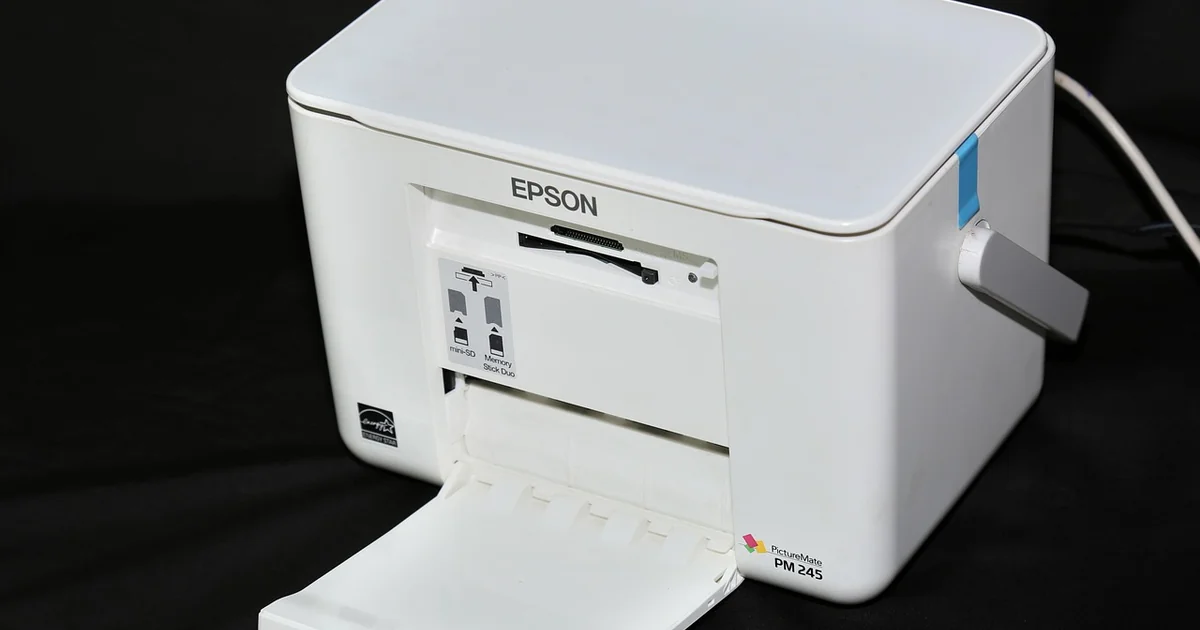
On April 30, 2017, officers from the Australian Border Force (ABF) intercepted a shipment at a Melbourne cargo facility. The consignment contained five Xerox printers, a common brand found in offices around the world. Nothing about the packaging seemed unusual at first glance. But a closer inspection revealed something alarming.
Inside the paper trays of these printers, officers found ten packages containing a compressed white powder. They performed presumptive testing on the substance, a field test that can quickly indicate the presence of certain drugs. The results confirmed their suspicions. The powder was cocaine, and the total weight came to 22.4 kilograms, or roughly 49.4 pounds.
The street value of this haul was staggering. Estimates placed it between 9.3 million and 12.4 million Australian dollars, which converts to roughly 6.7 million to 9 million US dollars at the time. That is a significant amount of narcotics by any measure, and it represented a major loss for the organized crime group behind the shipment.
The Concealment Method
The smugglers had taken care to compress the cocaine into dense, flat packages that could fit inside the paper trays of the printers. This was not a crude, last-minute hiding job. The packages were designed to look like they belonged inside the machines, blending in with the normal components of office equipment.
This method of concealment reflects a broader trend in drug trafficking. Criminal organizations constantly search for new ways to hide their products inside everyday items. Printers, with their internal cavities and removable trays, offer a tempting hiding spot. The challenge for border agencies is to identify which shipments warrant a closer look without slowing down legitimate trade.
How Authorities Turned the Shipment Into a Trap
Once the ABF discovered the cocaine in printers, they faced a critical decision. They could simply seize the drugs and let the shipment die at the border. That would prevent the drugs from reaching the street, but it would also leave the people behind the plot free to try again.
Instead, authorities chose a more strategic approach. They removed the cocaine from the printers and replaced it with an unspecified alternative material. The substitute had a similar weight and appearance, so the package would feel authentic to anyone handling it. They then placed tracking devices inside the printers and sent the shipment on its way to the intended destination.
This technique is known as a controlled delivery. Law enforcement allows a shipment to reach its target while monitoring every step of the journey. The goal is to catch the people who come to collect the package, not just the drugs themselves. It is a high-risk operation that requires careful coordination between multiple agencies.
The Destination in Airport West
The printers were addressed to a factory in Airport West, a suburb of Melbourne. The location was an industrial area, the kind of place where large deliveries of office equipment would not raise suspicion. The smugglers likely expected to retrieve the cocaine from the printers without anyone noticing.
What they did not know was that the printers were now carrying tracking devices instead of drugs. Every movement of the shipment was being monitored by the Australian Federal Police (AFP) and their partners. The trap was set.
Four Defendants, Three Convictions, One Acquittal
In May 2017, just weeks after the interception, Australian police arrested four men who attempted to retrieve the printers. All four were charged with attempting to possess a commercial quantity of a border-controlled drug. This is a serious offense under Australian law, carrying significant prison time.
The case against the four men unfolded over several years, with each defendant facing a separate legal process. The outcomes varied considerably.
The First Sentencing in 2022
One of the men was sentenced in 2022 to 10 years in prison. The court set a non-parole period of six and a half years, meaning he must serve at least that much time before becoming eligible for release. This was the first of the three convictions to be finalized.
The Second Sentencing in 2025
A second man was sentenced in 2025 to 10 years in prison with a non-parole period of five and a half years. The slightly shorter non-parole period compared to the first defendant may reflect differences in their level of involvement or other factors considered by the court.
The Most Recent Sentencing
The third man was sentenced more recently to nine years in prison with a non-parole period of four and a half years. This sentence is slightly shorter than the other two, but it still represents a significant period of incarceration.
The Acquittal
The fourth man arrested in 2017 was found not guilty. His acquittal raises important questions about how far criminal liability extends in such plots. Was he less involved than the others? Did the evidence against him fail to meet the legal standard? The details of his case are not fully public, but the outcome shows that not everyone connected to a smuggling operation is necessarily guilty of a crime.
Why Drug Smuggling Cases Take Years to Resolve
For readers following this case, the timeline may seem puzzling. The interception happened in April 2017. The arrests happened in May 2017. Yet the final sentencing did not occur until years later, with one man sentenced as late as 2025. That is an eight-year gap between arrest and sentencing for some defendants.
This delay is not unusual for complex international drug cases. Several factors contribute to the lengthy process.
Forensic Analysis and Evidence Processing
The cocaine found in the printers had to be tested and documented as evidence. Forensic analysts needed to confirm its weight, purity, and composition. This analysis must meet strict legal standards to be admissible in court. Any error in the process could give the defense grounds to challenge the evidence.
International Cooperation and Evidence Gathering
Drug smuggling cases often involve multiple countries. The shipment may have originated overseas, passed through transit points, and involved people in different jurisdictions. Gathering evidence from international partners takes time. Requests for assistance must go through formal channels, and responses can take months or even years.
Legal Proceedings and Appeals
Each defendant has the right to a fair trial, which includes the opportunity to challenge the evidence, question witnesses, and present a defense. These proceedings can be lengthy, especially when multiple defendants are involved. Appeals can add further delays. The complexity of the case means that courts must move carefully to ensure justice is served.
What Border Security Looks Like Behind the Scenes
The interception of this cocaine in printers was not a matter of luck. Border agencies use a combination of technology, intelligence, and human expertise to identify suspicious shipments. Understanding how this process works can help readers appreciate the scale of the challenge.
Risk Assessment and Targeting
Not every shipment entering a country can be inspected. The volume of cargo is simply too large. Instead, border agencies use risk assessment systems to identify shipments that warrant a closer look. These systems consider factors such as the origin of the shipment, the type of goods, the shipping route, and the history of the sender and receiver.
In this case, something about the printer shipment triggered a closer inspection. It could have been an intelligence tip, an anomaly in the shipping documents, or a pattern that matched known smuggling methods. The exact trigger is not public, but the result was a thorough examination that uncovered the cocaine.
Presumptive Testing and Confirmation
When officers find a suspicious substance, they can perform presumptive testing at the scene. These tests use chemical reagents that change color in the presence of specific drugs. The test for cocaine produces a characteristic reaction that gives officers a strong indication of what they are dealing with.
Presumptive tests are not definitive proof. They can produce false positives in some cases. For this reason, any positive result must be confirmed by laboratory analysis before it can be used as evidence in court. But presumptive testing allows officers to make quick decisions about whether to escalate an inspection.
X-Ray and Imaging Technology
Large cargo shipments often pass through X-ray scanners that can reveal hidden compartments or unusual densities inside packages. The compressed packages of cocaine inside the printer paper trays would have appeared as anomalies on an X-ray image. This technology is a critical tool for detecting drugs that are concealed inside legitimate goods.
The Risks for Innocent Businesses in the Supply Chain
Consider a small business owner who imports office equipment from overseas. They order a shipment of printers, expecting to receive standard office machines. What they do not know is that someone in the supply chain has hidden drugs inside those printers.
This scenario is not as far-fetched as it sounds. Criminal organizations sometimes exploit legitimate businesses as unwitting mules. They send drugs hidden inside shipments to addresses that are not directly connected to the crime group. The business that receives the shipment may have no idea what is inside.
You may also enjoy reading: Day One Now Makes Switching Easier: 5 Key Upgrades.
Can a Person Be Charged for Unknowingly Receiving Drugs?
This is a question that many people ask when they hear about cases like this one. The answer depends on the specific laws in the jurisdiction and the evidence available. In general, prosecutors must prove that a person knowingly possessed or intended to possess a controlled substance. If a business owner genuinely had no idea that drugs were hidden in a shipment, they would have a strong defense.
However, the burden of proof can shift in some cases. If the circumstances suggest that the person should have known something was wrong, they could face legal scrutiny. For example, if a shipment arrives from a suspicious source or if the packaging seems tampered with, a court might expect the recipient to have asked questions.
Practical Steps for Businesses
Businesses that import goods can take steps to protect themselves from being used in drug smuggling operations. These measures are not foolproof, but they reduce the risk.
First, know your supplier. Work with reputable companies that have a verifiable history. Be cautious of unsolicited offers or deals that seem too good to be true.
Second, inspect incoming shipments. Look for signs of tampering, such as broken seals, unusual packaging, or discrepancies in weight. If something seems off, report it to the authorities rather than handling it yourself.
Third, keep records of all transactions. Documentation can help demonstrate that you acted in good faith if a shipment ever becomes the subject of an investigation.
How Organized Crime Adapts to Border Security
The use of printers to smuggle cocaine is just one example of how criminal organizations adapt to changing border security measures. As authorities become better at detecting traditional concealment methods, smugglers develop new techniques to stay ahead.
The Evolution of Concealment Methods
Drugs have been hidden in everything from fruit shipments to furniture to electronic devices. Each method has its own strengths and weaknesses from the smuggler’s perspective. The key is to find a hiding place that is difficult to detect without being too obvious.
Printers offer several advantages for concealment. They have internal cavities that can hold packages. They are common items that do not attract attention. And they are heavy enough that the added weight of drugs might not be noticeable. But as this case shows, border agencies are aware of these tactics and actively look for them.
The Cat-and-Mouse Game
Law enforcement and criminal organizations are locked in a continuous cycle of adaptation. When authorities develop a new detection method, smugglers find a way around it. When smugglers develop a new concealment technique, authorities learn to spot it.
This dynamic means that no single method of smuggling is safe for long. The cocaine in printers plot might have succeeded a decade ago, but by 2017, border agencies had already seen similar tactics. The smugglers were not the first to think of using office equipment, and they will not be the last.
The Role of International Cooperation
Drug smuggling is a global problem that requires a global response. The AFP and ABF worked with international partners to investigate this case. Information sharing between countries is essential for tracking shipments across borders and identifying the networks behind them.
According to the AFP’s acting commander, Simone Butcher, the agency remains committed to disrupting organized crime groups. “The AFP, as well as our domestic and international partners, are steadfast in our mission to protect the community by disrupting and dismantling organized crime groups and their efforts to profit off the misery caused in our community,” she said.
The Human Cost of Drug Trafficking
It is easy to focus on the technical aspects of smuggling cases. The concealment methods, the tracking devices, the legal proceedings. But behind every case like this one is a human cost that extends far beyond the defendants in court.
The cocaine that was intercepted in these printers would have ended up on the streets of Australian cities. It would have been sold to users, fueling addiction, crime, and health problems. The profits would have flowed back to organized crime groups, funding further illegal activities.
Every successful interception prevents some of that harm. The 22.4 kilograms of cocaine seized in this case represents a significant blow to the criminal network that tried to import it. But the fight against drug trafficking is ongoing, and new shipments are attempted every day.
What This Case Teaches Us About Border Security
The story of the cocaine in printers offers several lessons for the general public. First, border security is a complex, multi-layered process that involves technology, intelligence, and human judgment. Second, law enforcement agencies are willing to invest significant resources in controlled delivery operations to catch the people behind smuggling plots. Third, the legal process for drug trafficking cases can take years, but the sentences are severe for those who are convicted.
For the three men who were sentenced in this case, the consequences are clear. They will spend years in prison, separated from their families and communities. The fourth man, who was acquitted, walks free, but the experience of being charged and tried for a serious crime is not something that fades quickly.
The printers themselves, once valuable pieces of office equipment, are now evidence in a closed case. They served as the vehicle for a smuggling attempt that failed, and they will likely never be used for their intended purpose again.
As border agencies continue to refine their methods, smugglers will continue to search for new ways to hide their products. The cat-and-mouse game shows no signs of ending. But cases like this one demonstrate that when authorities work together and use the tools at their disposal, they can catch even the most creative attempts to bring illegal drugs across the border.