Imagine stumbling upon a mysterious, perfectly circular temple in Egypt, shrouded in secrecy for centuries. The discovery of this enigmatic structure has sparked widespread interest and debate among historians, archaeologists, and enthusiasts alike. As Egyptian archaeologists continue to unravel the mysteries of this ancient temple, we are reminded of the rich cultural heritage and complex history of the region. In this article, we will delve into the secrets of the circular temple, exploring its significance, design, and the implications of its discovery.
The Significance of Circular Temples in Ancient Egypt
Circular temples were a common feature in ancient Egyptian architecture, particularly during the Ptolemaic and Roman periods. These structures were often dedicated to gods and goddesses, and their design was influenced by Greek and Egyptian architectural styles. The circular shape of these temples was likely chosen for its symbolic significance, representing the cyclical nature of life and the eternal return of the sun.
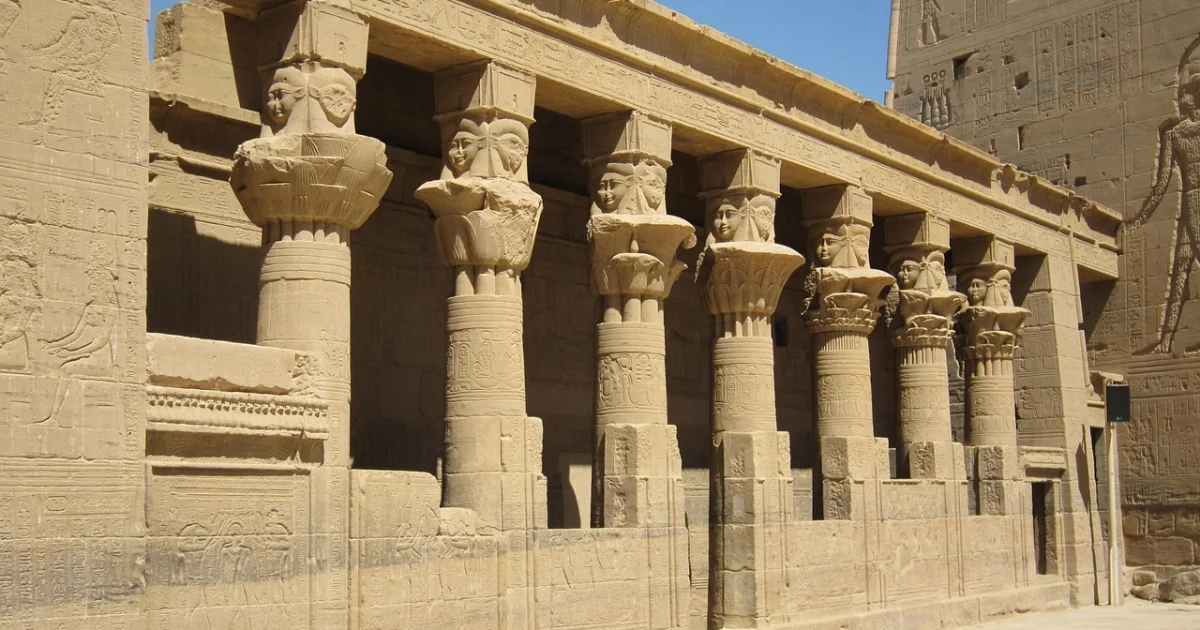
One notable example of a circular temple in ancient Egypt is the Temple of Isis at Philae. This temple, built during the Ptolemaic period, features a circular layout with a central altar and a series of chapels dedicated to various gods and goddesses. The temple’s design reflects the syncretic nature of ancient Egyptian religion, which combined elements of Egyptian and Greek mythology.
The Design of the Circular Temple
The circular temple discovered in Northern Sinai is a remarkable example of ancient Egyptian architecture. The temple’s design is characterized by a series of concentric circles, with a central pedestal and a series of water channels and tanks. The temple’s walls are made of red brick, a common building material in ancient Egypt.
One of the most striking features of the temple is its use of water. The temple’s design incorporates a series of channels and tanks that would have been used for ritual purposes. The water was likely used for purification and ritual cleansing, reflecting the importance of water in ancient Egyptian rituals and ceremonies.
The Role of Water in Ancient Egyptian Rituals and Ceremonies
Water played a crucial role in ancient Egyptian rituals and ceremonies, representing the power of the gods and the cyclical nature of life. In ancient Egyptian mythology, water was associated with the goddess Isis, who was revered as the patron of fertility and magic.
One notable example of the use of water in ancient Egyptian rituals is the Festival of Opet, held at the Temple of Amun at Karnak. During this festival, the priests would perform a series of rituals involving water, including the pouring of libations and the use of water for purification.
The Exchange of Culture and Politics in the Ancient Mediterranean World
The discovery of the circular temple in Northern Sinai highlights the complex exchange of culture and politics between ancient Egypt and the Mediterranean world. The temple’s design reflects the syncretic nature of ancient Egyptian religion, which combined elements of Egyptian and Greek mythology.
One notable example of the exchange of culture and politics in the ancient Mediterranean world is the Ptolemaic period, during which Egypt was ruled by a Greek dynasty. This period saw a significant exchange of cultural and artistic influences between Egypt and Greece, with the introduction of Greek architecture, art, and literature to Egypt.
Item 1: The Temple’s Unique Design Reflects the Syncretic Nature of Ancient Egyptian Religion
The circular temple’s design reflects the syncretic nature of ancient Egyptian religion, which combined elements of Egyptian and Greek mythology. The temple’s use of water and its circular shape reflect the importance of these elements in ancient Egyptian rituals and ceremonies.
You may also enjoy reading: Legit Ways to Score 15% Off Your Next Adidas Purchase with the Latest Promo Code.
Item 2: The Temple’s Water Channels and Tanks were Used for Ritual Purposes
The temple’s water channels and tanks were used for ritual purposes, reflecting the importance of water in ancient Egyptian rituals and ceremonies. The water was likely used for purification and ritual cleansing, reflecting the power of the gods and the cyclical nature of life.
Item 3: The Temple’s Design was Influenced by Greek and Egyptian Architectural Styles
The temple’s design was influenced by Greek and Egyptian architectural styles, reflecting the complex exchange of culture and politics in the ancient Mediterranean world. The temple’s use of red brick and its circular shape reflect the influence of Greek architecture on ancient Egyptian design.
Item 4: The Temple’s Significance for Our Understanding of Ancient Egyptian History
The discovery of the circular temple has significant implications for our understanding of ancient Egyptian history. The temple’s design and its use of water reflect the complex and syncretic nature of ancient Egyptian religion and culture.
Item 5: The Temple’s Role in the Exchange of Culture and Politics in the Ancient Mediterranean World
The temple’s discovery highlights the complex exchange of culture and politics between ancient Egypt and the Mediterranean world. The temple’s design reflects the influence of Greek and Egyptian architectural styles, reflecting the syncretic nature of ancient Egyptian religion and culture.
Item 6: The Temple’s Water Channels and Tanks were a Common Feature in Ancient Egyptian Architecture
The temple’s water channels and tanks were a common feature in ancient Egyptian architecture, reflecting the importance of water in ancient Egyptian rituals and ceremonies. The water was likely used for purification and ritual cleansing, reflecting the power of the gods and the cyclical nature of life.
Item 7: The Temple’s Discovery has Significant Implications for Our Understanding of Ancient Egyptian Culture and History
The discovery of the circular temple has significant implications for our understanding of ancient Egyptian culture and history. The temple’s design and its use of water reflect the complex and syncretic nature of ancient Egyptian religion and culture.