Stepping away from the familiar interface of a smartphone to embrace dedicated imaging hardware feels like a rite of passage for any aspiring creator. While modern mobile devices have become incredibly capable, they often struggle with the physical limitations of small sensors and thermal management during extended recording sessions. Transitioning to a dedicated system offers a level of tactile control and optical quality that software processing simply cannot replicate. Finding the right entry point into this hobby often comes down to timing, which is why hunting for specific canon camera deals can make a massive difference in your initial setup budget.
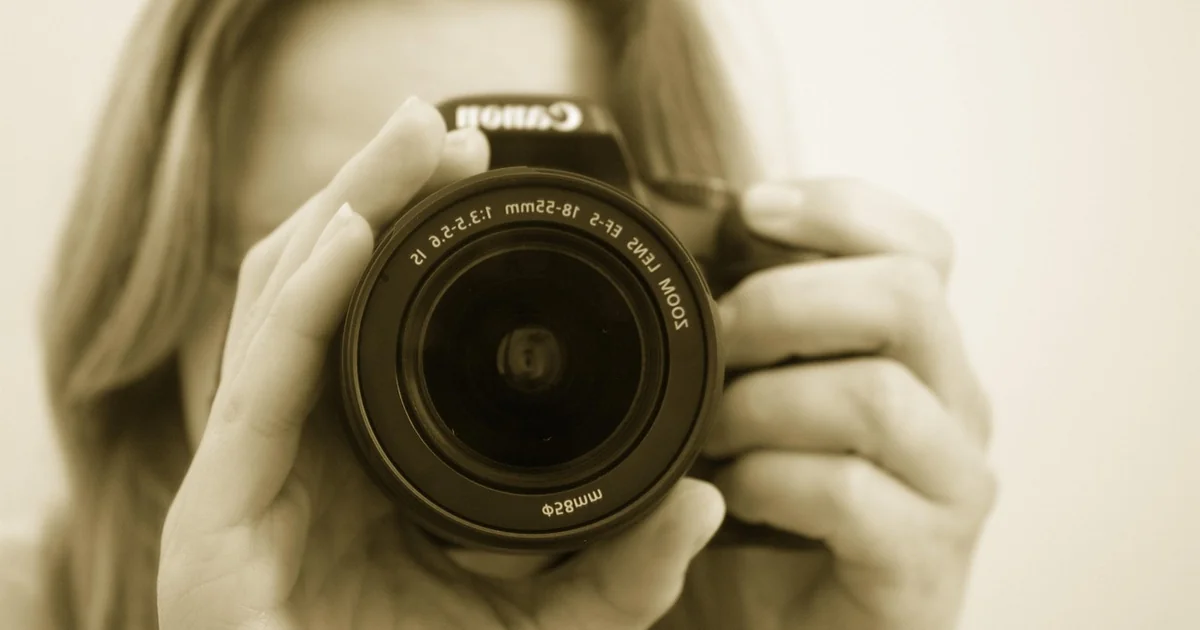
Navigating the Shift from Smartphone to Dedicated Imaging
The jump from a mobile phone to a standalone camera is more than just an upgrade in megapixels. It is a fundamental shift in how you interact with light and composition. When you use a phone, much of the “magic” happens in the background through computational photography. The device takes multiple exposures and merges them using heavy algorithms to fake depth of field or manage highlights.
A dedicated camera, however, relies on the physics of glass and larger sensors. This provides a natural, organic look to images and videos that feels more professional and less “processed.” For those looking to invest, understanding the distinction between different camera architectures is the first step in ensuring your money goes toward a tool that actually matches your creative goals.
One common frustration for new creators is the “overheating” phenomenon. You might be halfway through a beautiful sunset vlog when your phone suddenly displays a warning and shuts down. This happens because mobile processors are packed tightly against batteries and screens, leaving very little room for heat dissipation. Dedicated cameras are designed with much more robust thermal architectures, allowing them to handle high-bitrate video for much longer durations.
Understanding Sensor Size and Light Gathering
The primary reason a dedicated camera outperforms a phone is the physical surface area of the image sensor. In the world of optics, size matters immensely. A larger sensor can capture more photons, which translates directly to better performance in low-light environments. If you have ever tried to film a dinner party or a dimly lit concert with a smartphone, you have likely noticed the “grain” or digital noise that plagues the footage.
A dedicated system uses larger pixels (or more of them spread over a larger area) to collect light. This results in a cleaner image with more dynamic range, meaning you can see detail in both the brightest clouds and the darkest shadows simultaneously. When searching for canon camera deals, keep in mind that you aren’t just buying a device; you are buying the ability to capture light more effectively.
The Best Canon Camera Deals for Content Creators
If you are ready to make the leap, the current market offers some compelling opportunities to acquire professional-grade entry tools without the professional-grade price tag. Currently, two specific models stand out for their ability to bridge the gap between casual hobbyist and serious creator. These options cater to two very different philosophies of photography and videography.
1. The Ultimate Portability Choice: Canon PowerShot V1
For the traveler, the street vlogger, or the person who wants to document life without carrying a heavy backpack, the Canon PowerShot V1 represents a specialized solution. As of late April, this compact powerhouse is available for approximately $848.95, which reflects a significant saving of about $180.05 off its standard retail price. This makes it one of the most attractive canon camera deals for those prioritizing mobility.
The PowerShot V1 is designed with a specific user in mind: the person who needs to hit “record” instantly. It features an ultra-wide-angle zoom lens, which is a critical specification for vloggers. When you are holding a camera at arm’s length, a standard lens often feels too “tight,” cutting off your head or the scenery behind you. An ultra-wide lens ensures that you and your environment stay in the frame comfortably.
One of the most impressive technical details of this model is its thermal management. High-resolution video, specifically 4K at 60 frames per second, generates an immense amount of heat. To combat this, the PowerShot V1 includes a built-in internal fan. This is a rare feature in such a small form factor and prevents the dreaded shutdown during long recording sessions. Coupled with dual optical and digital stabilization, it allows for smooth, handheld footage that looks much more stable than shaky mobile clips.
Imagine you are walking through a bustling market in a foreign city. You want to capture the sights and sounds without looking like a professional film crew. You can pull the V1 out of a jacket pocket, engage the built-in three-capsule microphone to capture the ambient atmosphere, and start filming. It is a tool built for the “run-and-gun” lifestyle where speed and size are the ultimate priorities.
2. The Versatility King: Canon EOS R50 V
If your goal is not just to record, but to learn the art of photography and cinematography, the Canon EOS R50 V is the superior path. This mirrorless system is currently seeing a massive price drop, landing at just $569. This is a substantial reduction from its usual price of roughly $720, marking one of the best canon camera deals for those who want to grow into the medium.
The defining characteristic of the EOS R50 V is its interchangeable lens system. While the PowerShot V1 has a fixed lens that is great for many things, it cannot be changed to suit specific needs. With the R50 V, you can start with a standard kit lens and later add a macro lens for close-up product shots, or a telephoto lens for capturing wildlife from a distance. This modularity means your investment grows with your skills.
This camera is a mirrorless powerhouse that excels at recording 4K30 video. It is specifically designed with modern content formats in mind, featuring dual mounting points that allow you to easily switch between widescreen horizontal video for YouTube and vertical video for TikTok or Instagram Reels. This flexibility is a game-changer for creators who manage multiple social media platforms.
Consider a hobbyist who starts by filming cooking tutorials in their kitchen. They might begin with a wide lens to show the whole counter. As they progress, they might realize they want beautiful, blurry backgrounds (bokeh) to make the food pop. With the R50 V, they can simply purchase a prime lens with a wide aperture to achieve that professional look, rather than having to buy an entirely new camera system.
Comparing Fixed-Lens vs. Interchangeable Lens Systems
Choosing between these two paths is the most significant decision a beginner will face. It essentially boils down to a choice between convenience and capability. To help you decide, we need to look at the practical implications of each system in real-world scenarios.
The Case for Fixed-Lens Compacts
Fixed-lens cameras, like the PowerShot V1, are “all-in-one” solutions. The engineers have already decided which lens is best for the most common tasks. This removes the “decision fatigue” that many beginners feel. You don’t have to worry about which lens to bring or how much it will cost; you just grab the camera and go.
This setup is ideal for:
- Daily vloggers who need to be ready at a moment’s notice.
- Travelers who are strictly limited by luggage weight and size.
- Users who want a simplified workflow without the technical overhead of managing multiple pieces of glass.
However, the trade-off is that you are locked into the optical characteristics of that specific lens. If you find that you desperately need to zoom in much further, or if you want to shoot in extremely dark environments that require a specialized lens, you will eventually hit a ceiling with a fixed-lens system.
You may also enjoy reading: Save $150 Now: The Best Dyson Airwrap i.d. Deal.
The Case for Mirrorless Interchangeability
Mirrorless systems like the EOS R50 V offer a much higher ceiling for creativity. Because the sensor is separate from the lens, you can tailor your gear to your specific niche. This is the path for the “student” of photography—the person who wants to understand how focal length, aperture, and shutter speed interact to create an image.
This setup is ideal for:
- Aspiring cinematographers who want to experiment with different visual styles.
- Portrait photographers who need specialized lenses for flattering facial compression.
- Content creators who plan to evolve their production value over several years.
The primary challenge here is the initial cost and complexity. While the camera body itself is currently a fantastic deal, you must factor in the cost of lenses. Additionally, a larger lens will make the camera more cumbersome to carry, meaning you might need a dedicated camera bag rather than just a pocket.
Practical Steps to Maximizing Your Camera Budget
When you find excellent canon camera deals, the temptation is to buy the body and immediately stop. However, a camera is only one part of a functional ecosystem. To avoid “buyer’s remorse,” you should approach your purchase with a holistic budget in mind. Here is a step-by-step way to implement a smart purchasing strategy.
Step 1: Define Your Primary Medium
Before looking at prices, ask yourself: am I a photographer first, or a videographer first? If you are primarily interested in high-quality stills, the interchangeable lens system is non-negotiable. If you are almost exclusively making short-form video content for social media, the portability and stabilization of a compact like the PowerShot V1 might actually serve you better in the long run.
Step 2: Allocate a “Peripheral Fund”
A common mistake is spending 100% of your budget on the camera body. A professional-looking setup requires more than just a sensor. You should aim to set aside at least 20% to 30% of your total budget for essential accessories. This includes:
- High-speed SD cards: Essential for recording 4K video without dropped frames.
- Extra batteries: Mirrorless and compact cameras can be power-hungry.
- A sturdy tripod or a handheld gimbal: To ensure your footage remains professional and steady.
- External microphones: While built-in mics are improving, dedicated audio is the fastest way to upgrade your production value.
Step 3: Research the Lens Ecosystem
If you choose the EOS R50 V, do not just look at the price of the camera. Look at the price of the RF-S lenses that are compatible with it. Canon has a vast ecosystem, and while some lenses are affordable, others can be quite an investment. Knowing the cost of a “standard” lens kit will give you a more realistic idea of your total entry cost.
Common Beginner Pitfalls and How to Avoid Them
Even with the best gear, new creators often run into the same roadblocks. These aren’t failures of the equipment, but rather gaps in understanding how to utilize the technology effectively.
The “Auto Mode” Trap
Many beginners rely entirely on the “Auto” setting. While modern cameras are incredibly smart at calculating exposure, Auto mode often plays it too safe. It might choose a very high ISO to compensate for low light, resulting in grainy footage, or it might choose a narrow aperture that makes everything in the frame look flat. Once you have your camera, make it a goal to learn “Aperture Priority” or “Manual Mode.” This allows you to dictate the look of your image rather than letting the computer decide for you.
Neglecting Audio Quality
Viewers are surprisingly forgiving of mediocre video, but they will almost immediately turn off a video with poor audio. If your audio is echoing, muffled, or filled with wind noise, even a $5,000 camera won’t save your content. This is why the built-in mic on the PowerShot V1 is such a significant feature—it is designed to handle the basics well. If you go the mirrorless route, prioritize getting a small shotgun mic or a lavalier mic as your very next purchase.
Ignoring Lighting Conditions
A camera is a light-gathering machine. If you are filming in a room with a single, harsh overhead light, your footage will likely look amateurish regardless of the camera’s quality. Instead of buying a more expensive camera, consider investing in a simple ring light or a softbox. Controlled lighting is the “secret sauce” that makes entry-level cameras look like professional cinema tools.
Whether you prioritize the pocketable convenience of the PowerShot V1 or the expansive creative potential of the EOS R50 V, taking advantage of these current price drops is a smart way to begin your journey into high-quality content creation.