When shopping for a camera or a new smartphone, one specification almost always stands out: the size of the image sensor. Marketing materials often shout that bigger is better, but the reasons behind that claim can feel vague. Does a slightly larger sensor truly transform your photos? The answer depends on how and what you shoot. Understanding camera sensor size importance helps you make smarter buying decisions and avoid overspending on gear that doesn’t match your needs. Here are seven specific reasons why sensor dimensions affect your photography more than most people realise.
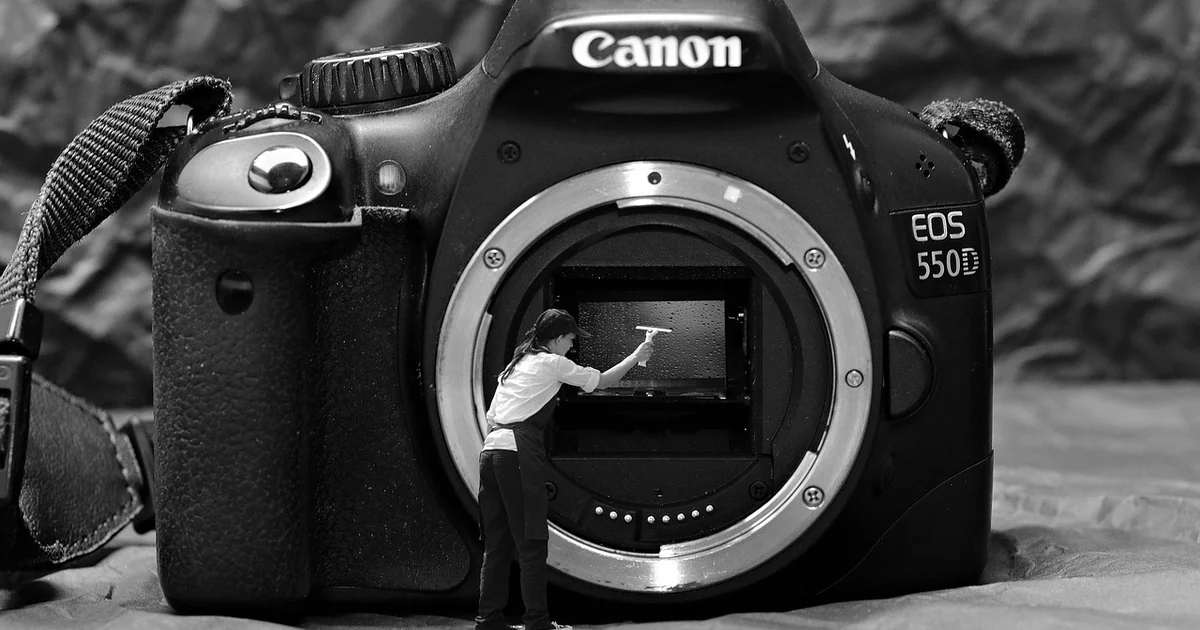
1. Low Light Performance: Where Sensor Size Importance Shines
A larger sensor simply catches more photons. Think of it like collecting rainwater: a bucket collects far more than a shot glass. In photography, this extra light directly translates into brighter, cleaner images when the sun goes down. A full-frame sensor—roughly the size of a single frame of 35mm film—has an area of about 864 square millimetres. An APS-C sensor, common in many mirrorless cameras, covers around 370 square millimetres. Even a 1-inch sensor, found in premium compact cameras, measures roughly 116 square millimetres. Meanwhile, a typical smartphone sensor may be just 30 to 50 square millimetres.
In a dimly lit restaurant or during twilight, that difference becomes obvious. The larger sensor can use a higher ISO setting without introducing as much grainy noise. You can capture a usable shot where a smaller sensor would produce a muddy, speckled image. This is not just theoretical: a 2019 study by DXOMark showed that full-frame cameras consistently outperform smaller sensors by two to three stops in low-light noise tests. For night photography, indoor events, or astrophotography, the sensor size importance cannot be overstated.
If you often shoot in low light, consider a camera with at least an APS-C sensor. Even an older APS-C model from 2017 will outperform a modern flagship smartphone in pure light sensitivity, though computational tricks can narrow the gap.
2. Dynamic Range: How Many Tones a Sensor Can Hold
Dynamic range describes the span between the darkest shadows and brightest highlights a sensor can record in a single shot. A larger sensor typically offers more room to store these tonal values. A full-frame sensor can capture around 14 to 15 stops of dynamic range, while an APS-C sensor manages about 12 to 13 stops. A typical 1-inch sensor might offer 10 to 11 stops, and a phone sensor often struggles to reach 10 stops without computational help.
Why does this matter? Imagine shooting a landscape with deep shadows under a tree and bright clouds in the same frame. With a sensor that has high dynamic range, you can recover detail from both areas in post-processing. A smaller sensor may lose the shadow detail entirely or blow out the highlights into pure white. This is one of the less obvious aspects of camera sensor size importance that becomes apparent when editing raw files.
If you enjoy landscape, portrait, or event photography where lighting is challenging, a larger sensor gives you more flexibility. Even if you shoot JPEG, the camera’s internal processing benefits from the extra headroom.
3. Control Over Depth of Field
A larger sensor allows you to achieve shallower depth of field for the same aperture and framing. This means you can blur the background more easily, isolating a subject for a professional-looking portrait. The physics behind this is straightforward: to get the same field of view on a smaller sensor, you use a shorter focal length lens, which naturally produces greater depth of field. With a full-frame sensor and an 85mm f/1.4 lens, you get a dreamy, creamy bokeh. On a Micro Four Thirds sensor (half the size), you would need a 42.5mm f/0.7 lens to achieve the same effect—such lenses are rare and expensive.
For wedding, portrait, and product photographers, this feature is a major reason to invest in larger sensors. However, if you prefer everything in focus—landscape, architecture, macro—then a smaller sensor can actually be an advantage. The sensor size importance here is context dependent, but it is a crucial factor in creative control.
4. Resolution and Pixel Size: The Hidden Relationship
Many people assume that more megapixels mean better quality, but physical sensor size changes the story. On a given sensor area, higher resolution forces each pixel to be smaller, which can reduce light sensitivity and increase noise. A 24-megapixel full-frame sensor has pixels roughly 6 micrometres in size. A 48-megapixel phone sensor of similar physical dimensions (often 1/1.28-inch) has pixels around 1.2 micrometres. That is a massive difference in how much light each pixel receives.
This is why many phone cameras use pixel binning—combining groups of pixels into larger virtual ones—to improve low-light performance. A 48-megapixel phone sensor may output a 12-megapixel image by binning groups of four pixels. That binning helps, but it still does not match the light collection of a physically larger sensor with larger individual pixels. When evaluating camera sensor size importance, you must look at pixel area, not just megapixel count.
If you need high resolution for large prints or cropping, a larger sensor gives you the best of both worlds: lots of megapixels without sacrificing pixel size. For example, a 50-megapixel full-frame sensor has pixels about 4.3 micrometres—still larger than a phone’s native pixel.
5. Lens Compatibility and Focal Length Equivalence
Sensor size influences how lenses behave. A 50mm lens on a full-frame camera gives a natural perspective similar to human vision. On an APS-C camera with a 1.5x crop factor, that same lens becomes equivalent to a 75mm lens on full-frame—tighter, more telephoto-like. On a Micro Four Thirds camera (2x crop), it becomes 100mm equivalent. This can be a bonus for wildlife photographers who want extra reach, but a disadvantage for wide-angle shooters who need a short focal length.
You may also enjoy reading: iOS 27 Lets You Choose Between Gemini & 5 AI Assistants.
Additionally, larger sensors typically have a wider choice of high-quality lenses. Full-frame systems from Canon, Nikon, Sony, and others offer extensive native lens libraries. Smaller sensor systems like Micro Four Thirds also have excellent lenses, but the selection may be narrower. The camera sensor size importance extends to your future lens investment. If you plan to build a system, consider what lenses are available for that sensor size and whether they match your shooting style.
For example, a full-frame 24-70mm f/2.8 zoom gives you a versatile range. On an APS-C body, you would need a 16-55mm f/2.8 equivalent to achieve the same field of view—such lenses exist but are often larger and heavier than their full-frame counterparts due to optical design constraints.
6. Colour Accuracy and Tonal Depth
A larger sensor tends to capture more colour information per pixel, leading to smoother gradations in skies, skin tones, and subtle textures. This is partly due to higher signal-to-noise ratio—less electronic noise means cleaner colour data. Some tests indicate that full-frame sensors can record up to 14 bits of colour depth per channel, while phone sensors often operate at 10 or 12 bits. The extra two bits may sound small, but they represent four times the colour precision.
Photographers who work with skin tones in portraits notice this difference. A larger sensor produces tonal transitions that look more natural, with less banding in gradients. When you push shadows in post-processing, the larger sensor retains more colour nuance. This is why many professional photographers prefer full-frame or medium format for commercial work where colour fidelity is critical.
If you shoot raw and edit extensively, the sensor size importance becomes very clear. You gain flexibility to adjust exposure and white balance without introducing artefacts.
7. Real-World Performance vs. Computational Photography
Modern smartphones use aggressive computational processing—HDR stacking, multi-frame noise reduction, AI sharpening—to mimic the results of larger sensors. In good light, a flagship phone can produce images that look nearly as good as those from an APS-C camera. However, in challenging conditions—fast motion, extreme low light, or when you need to crop deeply—the algorithmic tricks show their limits. A larger sensor captures more genuine information, which software cannot fully replace.
For everyday snapshots shared on social media, sensor size differences are often negligible. But for critical images like a once-in-a-lifetime family portrait, a wedding, or travel photos you intend to print large, the physical advantages of a larger sensor provide insurance against disappointment.
Understanding camera sensor size importance means recognising that bigger sensors give you more data to work with, while computational photography fills in gaps. Neither is universally superior. The best choice depends on your priorities: portability, convenience, and social sharing favour phones; image quality, editing headroom, and creative control favour cameras with larger sensors.