The traditional concept of a car interior is undergoing a radical transformation, shifting from a cockpit of mechanical dials to a digital sanctuary of light and information. When the 2027 flagship sedan arrived on stages from Beijing to New York City, it signaled a departure from everything we previously understood about luxury automotive design. While most manufacturers are focusing on adding more physical buttons to combat digital fatigue, this new era of German engineering is looking through the glass itself. By utilizing the innovative Neue Klasse platform, the automaker is turning the very surface used for visibility into a sophisticated canvas for data, entertainment, and augmented reality.
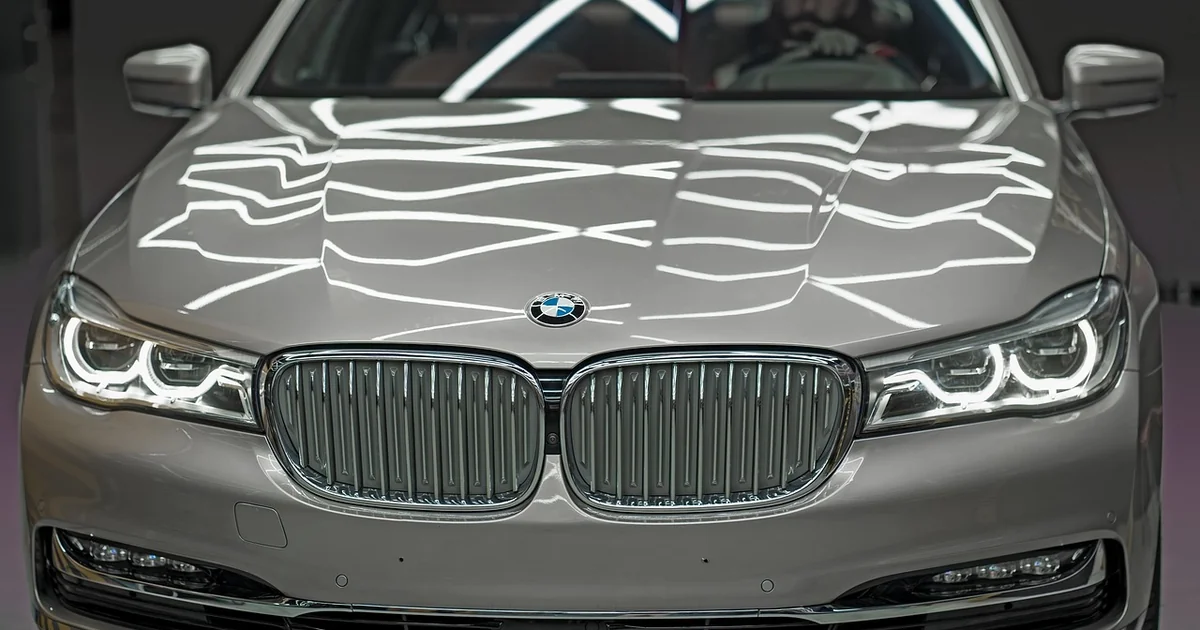
The Revolution of the BMW 7 Series Windshield and Digital Integration
For decades, the windshield served a singular, unyielding purpose: providing a clear view of the road ahead while protecting occupants from the elements. However, the latest iteration of this flagship model treats the glass as a high-tech interface. The most significant breakthrough is a system known as Panoramic Vision, which effectively transforms the bmw 7 series windshield into a wide-format projection surface. This is not merely a screen glued to the glass; it is a sophisticated optical feat that utilizes a darkened lower section of the pane to catch light and project high-definition information across the entire width of the vehicle.
This shift represents a massive leap in how we perceive the boundary between the vehicle’s cabin and the external environment. Instead of forcing a driver to glance down at a dashboard or to the side at a center console, the information is placed directly within the natural line of sight. This approach aims to reduce the cognitive load on the driver, allowing for a more seamless transition between observing the road and processing vital vehicle telemetry.
1. Panoramic Vision: The End of the Traditional Dashboard
The most striking element of this technological overhaul is the Panoramic Vision system. Unlike a standard Head-Up Display (HUD) that projects a small cluster of icons in a localized area, this system stretches information across the entire lower horizon of the glass. It creates a sense of depth and immersion that was previously impossible in automotive design. By using a blackened strip at the base of the glass, the engineers have created a perfect backdrop for light to interact with, making the projected images appear as if they are floating just above the hood of the car.
This creates a unique scenario for the driver. Imagine cruising down a highway at dusk; instead of searching for your speed on a small digital cluster, the velocity and range metrics are presented as a soft, legible glow across your field of vision. This method of data presentation minimizes the “eyes-off-road” time, which is a critical safety metric in modern vehicle development. The sheer scale of this projection makes the car feel less like a machine and more like a sentient space that communicates its status through light.
2. Augmented Reality via 3D Head-Up Displays
While the wide-format projection handles general status updates, the driver still requires precise, actionable data for navigation and safety. This is where the 3D Head-Up Display enters the fray. While the Panoramic Vision handles the “wide” view, the 3D HUD provides the “depth” view. This system uses augmented reality (AR) to overlay navigation cues directly onto the real world. If you need to take a turn in 200 meters, the system doesn’t just show an arrow on a map; it projects a glowing path onto the actual road surface visible through the glass.
This solves a common problem for modern drivers: the mental gymnastics required to translate a 2D map on a screen into a 3D physical movement. By merging the digital instruction with the physical environment, the car eliminates the guesswork. For a tech enthusiast, this is the pinnacle of human-machine interface (HMI) design. It turns the act of driving into a guided experience, where the car and the driver are perfectly synchronized through a layer of digital intelligence.
3. Bifurcated Information Streams for Driver and Passenger
One of the most impressive aspects of the new bmw 7 series windshield technology is how it manages the conflicting needs of the driver and the front-seat passenger. In many modern luxury cars, the center screen is a point of contention, with passengers often accidentally obscuring the driver’s view or changing settings that affect the driving experience. The Neue Klasse design solves this through a sophisticated division of digital real estate.
On the driver’s side of the panoramic projection, the focus remains strictly on operational data: speed, battery levels (for the all-electric variants), and safety alerts. Meanwhile, the passenger’s side of the same glass surface is dedicated to lifestyle information. A passenger can view the local weather, current time, or even media metadata without interfering with the driver’s critical flight path. This separation ensures that the cabin remains a collaborative space rather than a site of distraction, allowing each occupant to inhabit their own digital micro-environment.
4. The 17.9-Inch Central Command Center
Despite the massive leap toward windshield projections, the car does not abandon the traditional center console entirely. Instead, it evolves it. A massive 17.9-inch touchscreen serves as the primary hub for deep system settings and complex interactions. This screen acts as the “brain” of the interior, managing the AI-driven personal assistant and the various entertainment modules. The integration here is intentional; the large screen handles the heavy lifting of data entry and complex menu navigation, while the windshield handles the immediate, glanceable information.
This tiered approach to information—moving from the windshield for immediate needs to the center screen for deeper control—is what designers call “staging.” It prevents the driver from feeling overwhelmed by too much data at once. For someone transitioning from a traditional combustion engine to a high-tech electric platform, this hierarchy of information makes the leap feel intuitive rather than intimidating. You aren’t learning a new computer; you are simply learning a new way to communicate with your vehicle.
5. Personalized Entertainment for Front Passengers
The luxury experience is no longer just about the person behind the wheel. The new design philosophy recognizes that the front passenger is an equal participant in the journey. To cater to this, the vehicle includes a dedicated display for the passenger that is entirely separate from the driver’s interface. This screen allows for music streaming, video consumption, and even high-end gaming. This is particularly useful for long-distance travel where a passenger might want to disconnect from the driving process and engage in personal leisure.
This level of autonomy solves the “boredom” problem often found in long commutes. By providing a dedicated, high-resolution space for individual interests, the car transforms from a mere transport vessel into a mobile lounge. Whether it is a professional catching up on a webinar or a passenger relaxing with a movie, the ability to control one’s own digital environment is a hallmark of modern progressive luxury.
6. The Rear Theater Experience: An 8K Mobile Cinema
The technological sophistication extends all the way to the back of the cabin. For those who prioritize the rear-seat experience, an optional 31-inch “theater” display can be deployed. This is not a mere tablet attached to a seatback; it is a massive, high-definition screen capable of 8K streaming and Dolby Atmos sound. The visual fidelity is so high that it rivals many home theater setups, making the rear of the car a sanctuary for entertainment.
You may also enjoy reading: 7 Steps to Building a CMS Translation Pipeline for Developers.
This setup is designed for the modern lifestyle. It is HDMI-ready, meaning users can connect gaming consoles like a Nintendo Switch, turning the car into a mobile gaming station. Furthermore, the inclusion of a built-in camera allows the rear passengers to engage in high-quality video calls. This turns the vehicle into a mobile office for the executive or a private cinema for the family, proving that the digital revolution in the bmw 7 series windshield and cabin is about much more than just the person driving.
7. Integrated Control via Smartphone-Sized Door Screens
To ensure that the massive central and rear screens do not become too cumbersome to manage, the engineers have implemented a clever, distributed control system. Each rear door features an embedded, smartphone-sized screen. These touch-sensitive surfaces allow passengers to adjust climate settings, lighting, and individual entertainment preferences with minimal effort. This prevents the need for passengers to reach forward toward the driver or struggle with complex menus on the large theater screen.
This granular level of control is essential for maintaining the “lounge” atmosphere. It allows for a highly personalized experience where every occupant can fine-tune their surroundings. If one passenger is feeling chilly, they can adjust their specific zone without affecting the rest of the cabin. This level of micro-management is what separates a standard luxury car from a truly next-generation flagship, where technology serves the human experience rather than complicating it.
Overcoming the Challenges of Digital Overload
While the prospect of having multiple screens and projections is exciting, it does present real-world challenges. The primary concern for any driver is “cognitive tunneling”—a state where a person becomes so focused on a digital display that they lose awareness of the physical world. Additionally, there is the issue of glare and visibility. A windshield that acts as a screen must still function perfectly as a window, even in direct sunlight or during heavy rain.
To solve these problems, the engineers have utilized several advanced techniques. First, the use of “blackened sections” for the Panoramic Vision projection ensures that the light is contained and does not bleed into the driver’s direct line of sight, which would cause glare. Second, the AI-driven personal assistant, which includes Alexa+ capabilities, allows for voice-first interaction. This means that instead of fumbling with a touchscreen while driving through a complex intersection, a driver can simply say, “Hey, show me my next turn on the windshield,” or “Adjust the temperature to 72 degrees.”
By prioritizing voice control and intelligent information staging, the vehicle mitigates the risk of distraction. The goal is to make the technology feel “invisible” until it is needed. When the technology is intuitive, it ceases to be a distraction and becomes an extension of the driver’s own senses.
The Future of Luxury: Merging Materiality with Technology
What makes this new era truly remarkable is not just the silicon and glass, but the way it is paired with traditional luxury. There is a risk that a car filled with screens can feel cold, sterile, and overly “techy.” To combat this, the interior design leans heavily into tactile, organic materials. The use of Merino leather and cashmere wool upholstery provides a sensory counterweight to the digital displays. The “halos” of ambient lighting in the headrests add a layer of warmth that makes the cabin feel like a high-end living room rather than a computer lab.
This intersection of the digital and the physical is where the future of the automotive industry lies. We are moving away from the era of “gadgets” and into the era of “environments.” The 2027 model, with its estimated range of over 350 miles for the electric variants, proves that performance and sustainability are being integrated into a holistic digital lifestyle. Whether you are a tech enthusiast, a busy professional, or a family traveler, the evolution of the cabin ensures that the journey is just as important as the destination.
As we look toward the widespread adoption of the Neue Klasse platform, it is clear that the windshield will never be “just a window” again. It has become the primary interface between human intention and machine execution, a transparent gateway to a new way of moving through the world.