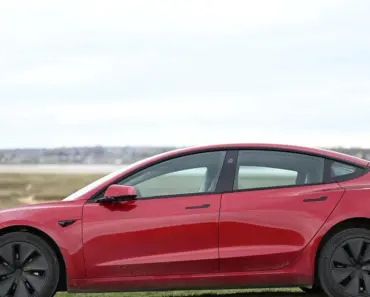
While solar paired with storage is often framed as emergency insurance, the true value emerges when you examine how such a system reshapes your relationship with energy economics.
Beyond Keeping the Lights On
Most homeowners initially view storage as a safeguard against outages, yet the focus on backup, power, least, interesting, home misses the deeper financial and strategic benefits. The reality is that maintaining essential utilities during an outage, while necessary, represents the most basic function of the hardware. Advanced energy management offers a richer return by transforming how you interact with price fluctuations rather than merely providing continuity.
Understanding consumption habits is where the system truly shines, allowing you to visualize peaks and valleys in your usage that were previously invisible. This shift in perspective moves the conversation from simple survival to intelligent optimization. By analyzing detailed data, you can identify phantom loads and inefficient appliances that quietly drain your budget.
Time-of-Use Rate Arbitrage
Time-of-use rates create dramatic price swings that many consumers fail to anticipate, turning each day into a puzzle of cost management. During peak hours, the grid demands a premium, while off-peak windows offer an opportunity to store value at a discount. A 20 kWh system that might cost the equivalent of $2 during calm periods can theoretically surge to a value of $70 when scarcity pricing kicks in.
This dynamic turns the garage into a virtual trading floor, where electrons are purchased low and deployed high. The ability to navigate these fluctuations is essential for maximizing the economic potential of your setup. It requires planning, but the savings accumulate significantly over the lifecycle of the equipment.
Grid Independence as a Hedge
Rising energy costs represent a persistent concern for households, and storage offers a tangible method to mitigate this risk. By locking in rates during non-peak times, you effectively create a buffer against volatility. This approach resembles a defensive strategy in finance, protecting your household from external shocks.
Data indicates that price spikes can increase the value of stored energy by an order of magnitude, making the hardware a strategic asset rather than a passive container. This transformation is crucial for long-term financial planning in an era of unpredictable utility expenses.
The Trifecta of Energy Autonomy
The integration of solar generation, storage, and electric mobility creates a synergistic ecosystem that redefines energy independence. This trifecta allows for a level of control that is rarely seen in conventional utility relationships. You move from being a passive consumer to an active producer and manager of your resources.
Owning Your Private Fuel Supply
When solar panels generate electricity and an electric vehicle (EV) serves as the end-user, the battery acts as the intermediary reservoir. This setup mirrors the structure of an oil refinery, where you control the input and distribution. Industry experts describe this configuration as achieving “Energy Dominance,” where external price fluctuations become irrelevant to your daily operations.
The system ensures that the fuel—electricity—is sourced internally, bypassing the traditional supply chain. This internal loop provides resilience against market manipulation and geopolitical instability affecting fossil fuel prices. Your personal grid becomes a fortress of reliability.
Furthermore, this configuration allows for load balancing, where the battery charges the vehicle during periods of low demand and discharges it when the grid is stressed. This intelligent management extends the life of the battery while optimizing the use of renewable resources. It is a closed-loop system that minimizes waste.
Financial Returns Over Time
Unlike many consumer electronics, a comprehensive energy system behaves more like a long-term investment. Homeowners often recoup the initial installation costs within a decade, after which the energy production continues to generate value. This payback period is a critical metric for evaluating the viability of such an upgrade.
Real estate data supports the financial benefits, showing that properties equipped with solar installations often command a premium of 5 to 10 percent compared to similar homes without the technology. This translates to a potential increase in equity worth tens of thousands of dollars. The system effectively pays for itself twice: once through usage savings and once through property valuation.
Combining this with the avoidance of future electricity rate hikes creates a compelling argument for adoption. The system is not just an expense but a safeguard against inflation in the utility sector. It transforms an overhead cost into a valuable commodity.
Strategic Implementation and Solutions
To move beyond the basic backup function, a structured approach to integration is necessary. This involves assessing your current energy profile and future goals. The implementation should be methodical rather than impulsive to ensure maximum efficiency.
Actionable Steps for Optimization
Start by conducting a thorough audit of your energy consumption over the past year. Identify the appliances that contribute most to your peak demand and consider whether scheduling their operation differently could reduce your charges. This preliminary step is vital for sizing the system correctly.
Next, evaluate the compatibility of your existing solar array with potential battery additions. Not all inverters support retrofitting, so consulting with a certified installer is the next logical move. They can provide insights into the technical requirements and regulatory hurdles specific to your region.
Finally, select a storage solution based on lifecycle rather than upfront cost. Look for units with a high depth of discharge and a long warranty period. A system rated for 5,000 cycles will outperform a cheaper alternative that only lasts 1,000 cycles, offering better value over time.
Overcoming Common Challenges
Homeowners often encounter obstacles that complicate the adoption of advanced energy systems. One significant barrier is the initial capital expenditure, which can be daunting despite long-term savings. However, various financing options and incentives are available to ease this burden.
Another challenge is the complexity of energy management software. Users may feel overwhelmed by the data presented to them. Simplifying the user interface and focusing on key performance indicators can make the technology accessible to a broader audience. The goal is empowerment, not confusion.
Technical limitations regarding temperature sensitivity also pose a risk. Batteries operate most efficiently within a specific thermal range, and extreme weather can degrade performance. Proper installation in a climate-controlled environment is essential to maintain longevity and safety.
Future-Proofing Your Home
The energy landscape is evolving rapidly, with smart grid technologies and virtual power plants becoming more prevalent. Home battery systems will likely play a central role in these developments, acting as nodes in a larger network. Preparing for this future ensures that your investment remains relevant.
Moreover, the integration of artificial intelligence for predictive charging is on the horizon. Algorithms will soon be able to forecast price trends and weather patterns to optimize storage automatically. This evolution will further reduce the need for manual intervention and maximize savings.
As regulations shift to support renewable energy, the incentives for adopting these systems will only increase. Staying informed about policy changes can provide a competitive advantage. Early adoption often equates to greater long-term flexibility.
Conclusion
While the security of backup, power during an outage is a fundamental feature, it represents only the surface of what modern home battery technology can achieve. By looking beyond the basic function of backup, power, least, interesting, home, you unlock a world of financial and environmental benefits.
The journey toward energy autonomy is a strategic one, involving careful planning and integration. The rewards extend beyond mere convenience, offering a hedge against economic uncertainty and a step toward sustainability. Embracing this technology is an investment in the resilience of your household.