J.P. Morgan has raised its Apple stock target to $345, signaling strong confidence in the company’s future. The firm also maintained its Buy rating on Apple, reinforcing a positive outlook. As you might have noticed, Apple’s stock is currently trading at $311.44, hovering near its all-time high of $317.40. This price target adjustment comes at a time when Apple shares are already performing well, suggesting analysts see even more room for growth.
With the J.P. Morgan price target and Apple buy rating in place, investors are watching closely. The stock’s proximity to its Apple all-time high adds to the momentum. This move reflects ongoing optimism about Apple’s product lineup and services, even as the company faces questions about pricing strategies.
Apple Stock Recovers After Initial Dip
That momentum faced a brief test when Apple introduced price hikes on select products. The market reacted with a roughly 6% dip in the stock, as some investors worried about the impact on demand. But the drop was short-lived. Apple stock quickly bounced back, showing that the market’s confidence in the company’s long-term strategy remains strong. Since that late June dip, Apple stock has gained nearly 15%. This swift recovery is a key reason analysts have raised their Apple stock target. The resilience suggests that price increases are seen as a manageable factor, especially given the loyalty of Apple’s customer base and the breadth of its services ecosystem.
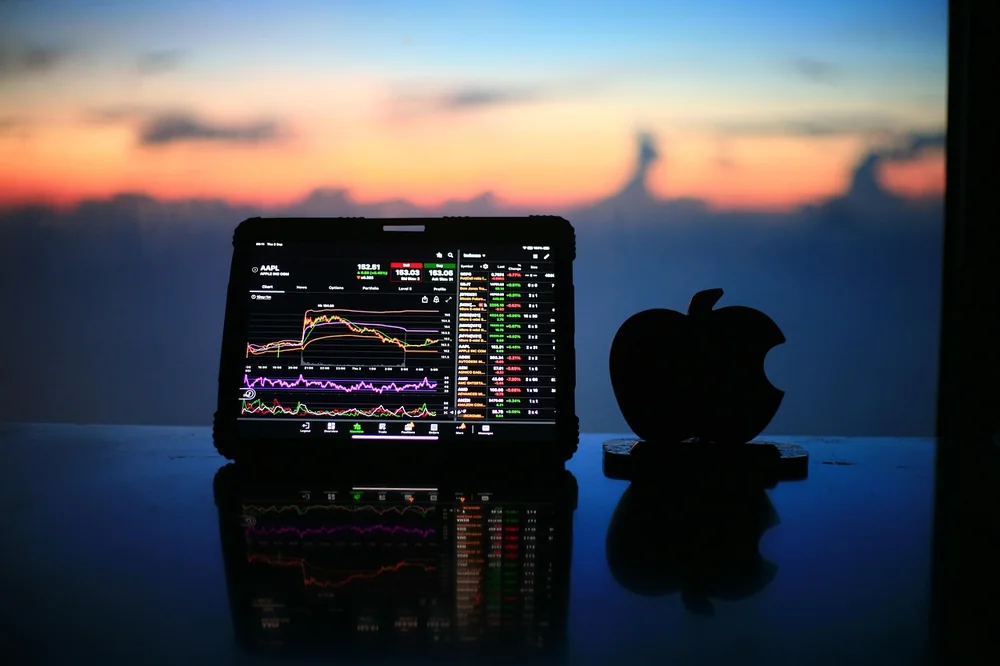
You might wonder what this means for your own perspective on the stock. The quick rebound signals that short-term pricing adjustments are unlikely to derail the overall positive trajectory. The Apple stock recovery reflects the underlying strength of the company’s performance through June and beyond. It also highlights how investor sentiment can shift rapidly when a company demonstrates pricing power without losing market share. The Apple price hike impact appears to have been absorbed, at least for now, as the stock continues to trade near its highs. This pattern of a dip followed by a sharp recovery is a classic sign of a stock that investors are eager to buy on any weakness. For anyone tracking Apple stock performance in June, this event serves as a reminder that volatility can create opportunities rather than panic.
Why J.P. Morgan Raised Its Apple Stock Target
That kind of market response often catches the attention of analysts who follow Apple closely. It sets the stage for updates to their outlook, which is exactly what happened when J.P. Morgan recently raised its Apple stock target. The firm’s previous price target, set back in January, stood at $325. The new target reflects a shift in sentiment, even after Apple introduced price increases on several products. For you, this adjustment signals that the investment community sees more than just short-term challenges.

J.P. Morgan believes that these price hikes are unlikely to meaningfully impact Apple’s long-term growth. The logic is that Apple’s ecosystem and loyal customer base can absorb higher prices without significant churn. This confidence is a key driver behind the J.P. Morgan Apple target raise. It suggests that the company’s revenue streams remain reliable, even as costs for some devices go up.
In particular, Macs saw the bulk of the price increases. However, J.P. Morgan sees a potential upside here. The upcoming Apple AI upgrade cycle could drive stronger demand for Macs, as users look for hardware that can handle new AI features. This offsets any concerns about higher prices tied to the Mac price hike AI narrative. If you have been waiting for a reason to upgrade your Mac, the arrival of AI-powered tools in macOS might be it. The combination of improved performance and new capabilities could make that investment worthwhile, supporting Apple long-term growth through a stronger upgrade cycle.
Which Apple Products Were Affected by Price Hikes
While the promise of AI-powered tools might encourage upgrades, the immediate reality for many Apple fans has been higher prices on other products. A market-wide memory shortage forced Apple to raise costs on several devices, though the iPhone lineup has so far been spared. This shortage—a global squeeze on the memory chips used in everything from laptops to tablets—directly impacted the pricing of some of Apple’s most popular hardware.

The Apple memory shortage hit products that rely heavily on RAM and storage. For example, certain Mac models saw price increases, as did some iPad configurations. If you were shopping for a new MacBook or iPad Pro recently, you might have noticed a higher than usual price tag. The Apple product price increase wasn’t applied across the board, but it was noticeable on higher-capacity models that use more memory. This is a practical reality: when the cost of components rises, manufacturers often pass that expense along to customers.
Interestingly, Apple has not raised iPhone prices so far, despite the same memory pressures. That has left many analysts and consumers wondering if an iPhone price hike September is inevitable. With the next-generation lineup expected in the fall, it’s widely anticipated that Apple will adjust pricing to reflect higher component costs. If you’re planning to upgrade your phone this year, it’s worth keeping an eye on those announcements. The Mac price hike may already be here, but the iPhone could be next.
In short, the memory shortage has already affected your wallet if you bought a Mac or iPad recently. For now, the iPhone remains a relative bargain—but that might not last beyond September.
Historical Evidence of Consumer Resilience to Apple Price Increases
That warning about iPhone pricing might sound alarming, but history offers a reassuring perspective. If you look at past sales data for iPhones, Macs, and iPads, you’ll notice something interesting: the relationship between price changes and sales volumes has been surprisingly weak. In other words, Apple has raised prices multiple times over the years without causing a major drop in how many units it sells. This pattern is especially clear among iPhone high-end buyers—the people who tend to buy the Pro and Pro Max models. They are far less sensitive to price increases than the average smartphone shopper.
This resilience comes down to a few factors. First, Apple has built an ecosystem that makes it hard to leave. Once you own an iPhone, a Mac, or an iPad, switching to a different brand can mean losing access to shared features, apps, and seamless integration. That deepens Apple consumer loyalty, making price a secondary concern for many. Second, the company’s products hold their value well over time, both in terms of resale and daily usability. When you know your device will get software updates for years, a higher upfront cost feels more justifiable.
For investors, this track record supports the recent Apple stock target increase. The logic is straightforward: if customers keep buying even as prices go up, revenue and profit margins can grow without sacrificing unit sales. Analysts call this low Apple price elasticity—the idea that demand doesn’t drop sharply when prices rise. While no trend lasts forever, the historical data for iPhone, Mac, and iPad sales volumes suggests that Apple’s core audience is willing to pay a premium. So while the next iPhone refresh may cost more, past behavior indicates most loyal customers will still upgrade.
Frequently Asked Questions
How did Apple’s stock react to the recent price hikes and the subsequent recovery?
Apple’s stock showed initial volatility after the price hikes were announced, reflecting market concerns. However, the shares recovered as J.P. Morgan raised its Apple stock target, signaling confidence in the company’s strategy. The recovery underscored investor belief in Apple’s ability to navigate short-term cost pressures.
Which Apple products were affected by the price hikes due to the memory shortage?
The price increases primarily impacted devices with higher memory configurations, such as certain iPad and Mac models. Apple adjusted pricing on select storage tiers to offset rising component costs. This selective approach helped limit the broader impact on the product lineup.
Will Apple raise iPhone prices in September with the next-generation lineup?
It remains uncertain whether Apple will increase iPhone prices for the upcoming lineup. Analysts note that past cycles have seen Apple absorb some cost increases to maintain competitive pricing. The final decision will likely depend on component costs and market conditions at launch.