However, early reports indicate that these health and fitness features likely won’t debut with the first generation model, meaning the initial release might focus on other core functionalities.
If these rumors hold true, the glasses could eventually become a lightweight alternative for tracking daily activity, heart rate, or other metrics, positioning them alongside existing Apple wearable health devices. But for now, it seems the vision for smart glasses fitness is a longer-term goal, with the platform evolving over time.
What Are Apple’s Non-AR Smart Glasses and When Will They Launch?
While health tracking might be a long-term goal, the groundwork is already being laid for an entirely new wearable. These upcoming Apple smart glasses aren’t the bulky Vision Pro headset you might be thinking of. Instead, they are a distinct non-AR wearable Apple is developing, designed to be worn throughout the day. Think of them as a pair of regular-looking glasses that pack in sensors and technology, but without the full augmented reality overlay. This makes them a completely new category for Apple, sitting somewhere between AirPods and the Apple Watch in terms of form and function.
Development Timeline
As for the Apple smart glasses release, don’t expect them on shelves tomorrow. Reports suggest the first generation will focus on core smart glasses functionality, with health features arriving later. According to recent job postings, Apple’s Vision Products Group is actively hiring to “define future health, well-being, and fitness experiences across vision products.” This signals that health is a priority, but not for the initial launch. Health and fitness features for these glasses might be a couple of years away from debut. This means the first version you’ll likely buy won’t be a full-fledged health gadget. Instead, Apple seems to be iterating slowly, building the platform before adding biometrics like heart rate monitoring. This is a practical approach, letting the hardware mature while the health software gets polished. For now, the focus is on getting this non-AR wearable Apple product right as a comfortable, everyday device before expanding its capabilities.
Why Did Apple Abandon Fitness+ on the Vision Pro Headset?
Before Apple could fully embrace the Apple smart glasses health vision, it had to learn a hard lesson with the Vision Pro. The company had been working on a version of its Fitness+ app specifically for that headset, hoping to turn workouts into an immersive experience. But that effort quietly stalled, and the reasons reveal a lot about where Apple is headed next.
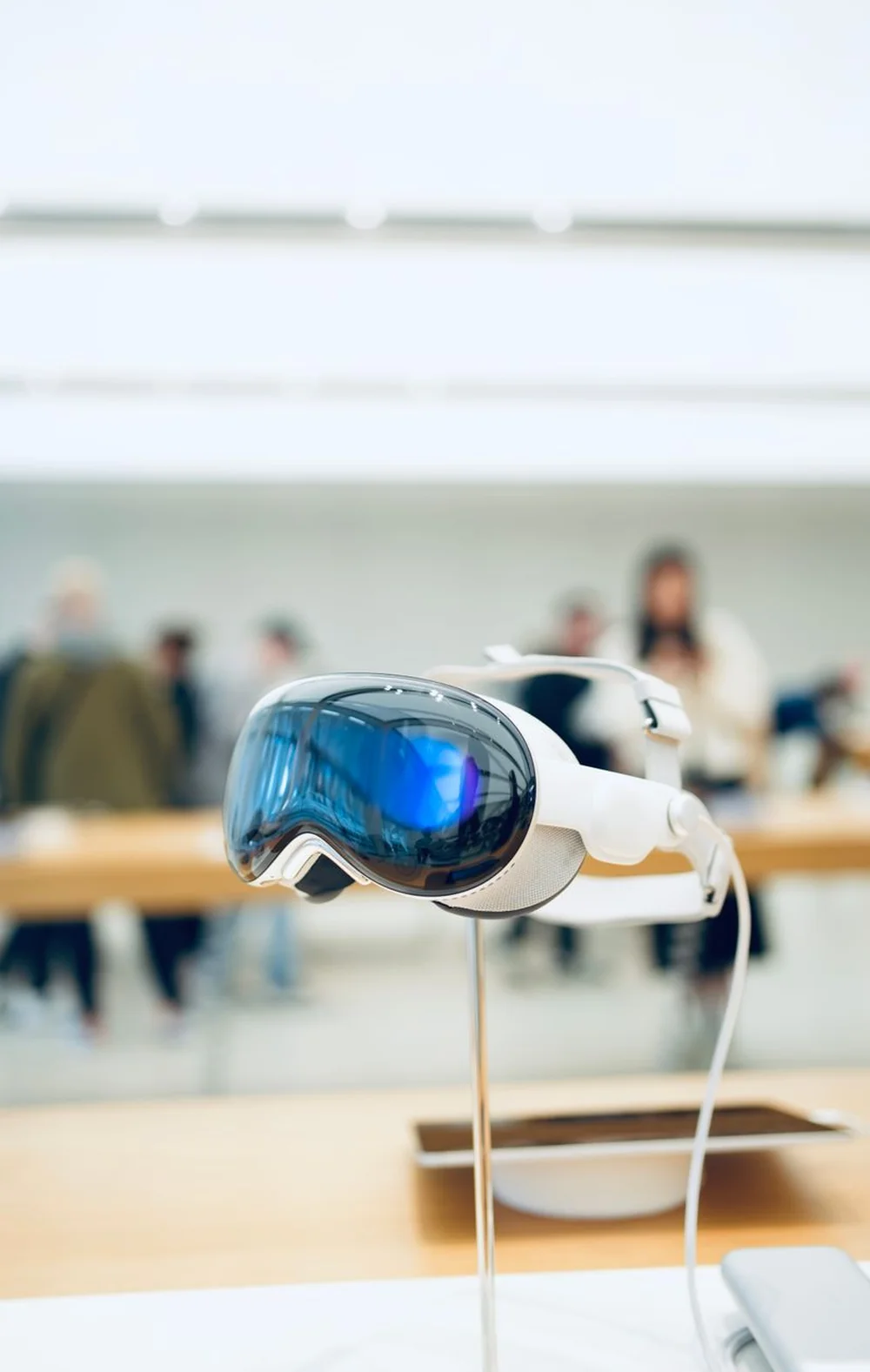
The biggest hurdle was the hardware itself. The Vision Pro proved too heavy for the kind of movement that fitness demands. When you are exercising, you want a device that stays out of the way, not one that adds noticeable weight to your head. On top of that, the technological challenges of accurately tracking motion while you are active made the experience feel clunky rather than motivating. That is the Vision Pro fitness failure in a nutshell: a great concept trapped in the wrong form factor.
Apple had to acknowledge that a headset built for immersive computing simply was not ready to double as a workout companion. Forcing a mediocre fitness experience would have damaged both the Fitness+ brand and the Vision Pro itself, so Apple stepped back and shelved the project.
Here is the encouraging part for anyone following the Apple smart glasses health story. The company is now revisiting that same core idea with its upcoming smart glasses, this time with a lighter, more practical design in mind. The lessons from that abandoned initiative are directly shaping how Apple tackles its wearable challenges today.
Lessons Learned
What Apple took away from the Vision Pro experiment is straightforward: health features need to live in hardware you barely notice. The smart glasses initiative is built around that principle, aiming to deliver fitness tracking without the bulk. For you, that could mean a wearable that genuinely supports your daily routine instead of interrupting it.
How Will the Smart Glasses Track Workouts Without a Display?
Apple’s smart glasses health tracking system skips a display entirely, so it has to approach fitness features differently. That actually opens up some interesting possibilities. Instead of staring at a screen mid-rep, you get feedback through other senses — keeping your focus on the movement itself.

The cameras built into the smart glasses are key here. They can analyze your movements as you exercise, observing your posture, range of motion, and technique. This camera fitness tracking could help you spot areas for improvement, like adjusting your squat depth or correcting your running form. All without a single glance at a screen.
Alternative Feedback Methods
So how do you actually receive that information? Through audio workout cues, primarily. The glasses might tell you to straighten your back or slow your pace using a calm, clear voice. Haptic feedback glasses could also play a role — a gentle vibration on the frame might signal that you’ve completed a set or need to adjust your position. These methods keep your eyes and hands free, so you can stay in the zone.
Voice commands could let you ask for updates mid-workout, like checking your rep count or elapsed time. The result is a hands-free, display-free experience that feels more like a coach than a gadget. For everyday fitness, that practical approach could make a real difference.
Expected Health Features: Heart-Rate Sensor and More
That practical, hands-free approach naturally extends to more advanced health tracking. One feature already confirmed to be in development is a heart-rate sensor embedded in the glasses, similar to the technology expected in the next-generation AirPods. This would let you monitor your heart rate throughout the day without wearing a chest strap or bulky armband. The glasses become a discreet, always-on Apple health sensor.
Sensor Integration
How would a heart rate monitor work in glasses? The sensor would likely sit near the temple or nose bridge, where it can make consistent contact with your skin. With the Apple health sensor integrated into the frame, you could see your heart rate during workouts, track resting trends, or even get alerts for unusual readings. It’s a natural fit for a device that’s already on your face.
Beyond the heart-rate sensor, Apple is reportedly exploring other health features. While specifics remain under wraps, movement analysis is a strong candidate. The glasses could track your head position, stride, or even posture during exercise. Imagine getting feedback on your running form or a gentle reminder to sit up straight—all without looking at a screen. These additions would turn the glasses into a more comprehensive health companion, building on the core fitness coaching you already experienced.
What’s clear is that heart rate monitor glasses are becoming a reality. By combining this sensor with other potential health metrics, Apple’s smart glasses could offer a unique, wearable way to keep tabs on your well-being. The focus remains on practical, everyday health insights that fit seamlessly into your routine.
How Does the Smart Glasses Health Platform Compare to the Apple Watch?
If you already wear an Apple Watch, you might wonder where smart glasses fit into the picture. The watch excels at continuous, around-the-clock tracking. It measures your heart rate, monitors your sleep, and nudges you to stand up when you have been sitting too long. It is a wrist-based companion that works quietly in the background all day.

Smart glasses are likely to take a different approach. Instead of duplicating everything the watch does, they could focus on hands-free fitness. Think about activities where glancing at your wrist is awkward or even unsafe. During a run, a hike, or a strength session, you want to keep your eyes forward and your hands free. Glasses could deliver real-time cues right in your line of sight, so you never have to break your stride to check a screen.
You can read more on this topic in I Touched a Humanoid Robot With Smart Skin.
One area where this could shine is workout form and movement analysis. The watch is great at telling you how fast you went or how many calories you burned, but it cannot see your posture. Smart glasses, with their sensors and cameras, could potentially spot when your squat is off or your shoulders are slouching during a row. That kind of feedback is hard to get from a wrist device alone.
Complementary Devices
Rather than competing, the two could work together to give you a complete health picture. The watch handles the all-day metrics, while the glasses add a new layer of visual, real-time insight during exercise. Apple’s work on the Fitness+ app for Vision Pro gives a clue to this direction. That app would have let you watch workout videos, track your movement, and close your rings all in one immersive view. Bringing that concept to lightweight glasses could feel far more natural for everyday training.
For now, the Apple Watch remains the core of daily health tracking. But as smart glasses evolve, they could become a valuable sidekick for anyone who wants guidance without looking at a screen. In an Apple Watch vs smart glasses comparison, the real winner might be the combination of both. Each device covers what the other cannot, giving you a fuller, more practical view of your fitness journey.
The Role of the Vision Products Group in Developing Health Features
So, where does the actual development of these health features happen? A key part of the answer lies with Apple’s Vision Products Group. This team is actively hiring to define the future of health experiences across vision products. A recent job posting sheds light on their mission, and it goes far beyond just making apps look good.
Job Posting Insights
The posting clearly states the team is focused on translating ambiguous opportunities in spatial computing, wearables, consumer health, and human behavior. That is a lot to unpack, but it tells you a few important things. First, they are not just building hardware; they are studying how you behave and move in a digital space. Second, they are actively looking for ways to turn that understanding into concrete features that improve your well-being.
This is where Apple smart glasses health features will likely take shape. The team is tasked with connecting the dots between what is technically possible in spatial computing and what you actually need for better health. For example, they might explore how spatial awareness can prevent you from walking into a pole while looking at a notification, or how gaze tracking could alert you to eye strain. The Apple Vision Products Group is essentially the incubator for these ideas, testing them in the real world before they ever reach your face. This focus on translating broad concepts into practical tools is what separates a gadget from a genuine health companion.
Frequently Asked Questions
How will Apple smart glasses track workouts without a screen?
Instead of a visual display, the glasses will rely on audio cues and haptic feedback to guide you through a session. Sensors inside the frame will capture motion and biometric data, which syncs to the Health app for later review. You can start, pause, or end a workout using simple voice commands or touch gestures on the temple.
How does Apple’s smart glasses health platform compare to the Apple Watch?
Think of the glasses as a hands-free complement to the Apple Watch rather than a replacement. The Watch excels at continuous heart-rate monitoring and quick, glanceable metrics on your wrist. The smart glasses will focus on posture, movement efficiency, and immersive audio-guided fitness, offering a different practical layer to your daily health tracking.
Will the smart glasses include a heart-rate sensor and camera-based movement analysis?
Yes, the practical design is expected to integrate a heart-rate sensor near the temple or nose bridge for continuous tracking. A set of small, outward-facing cameras will likely analyze your body movement to count reps and assess exercise form. This data is processed on-device to provide real-time audio corrections, keeping your sessions efficient and safe.