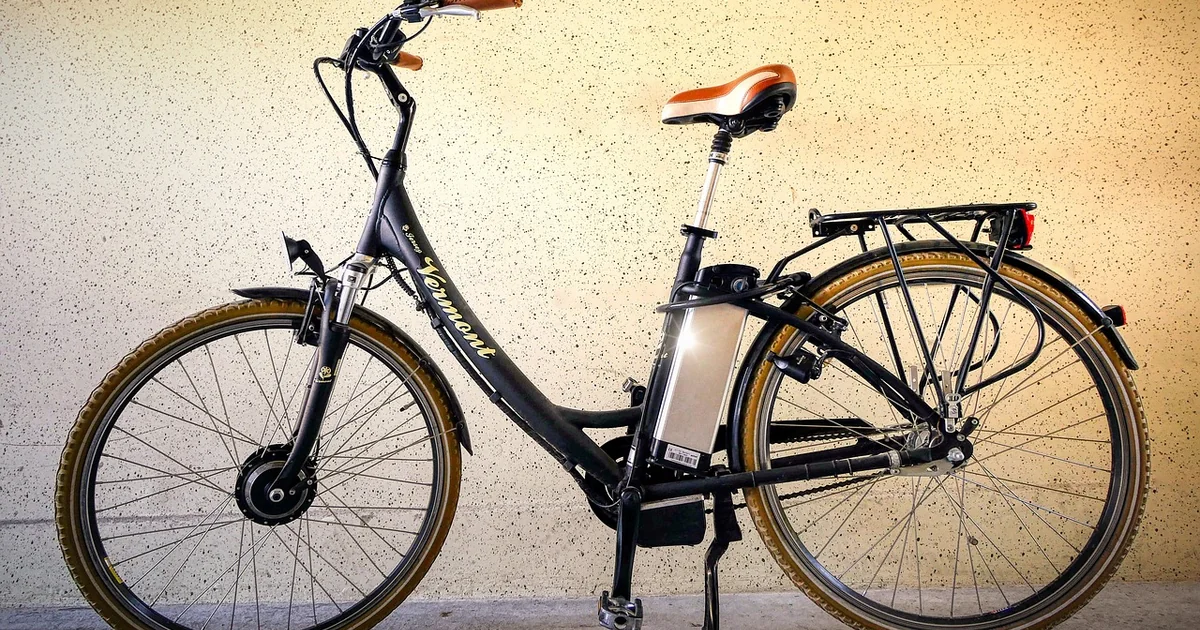
For years, the idea of spending a health savings account or flexible spending account on a bicycle seemed far-fetched. Medical equipment, prescription glasses, and co-pays were the expected categories. A battery-powered vehicle did not seem to fit. Yet a noticeable shift is happening across the country. More Americans are discovering that they can use pre-tax healthcare dollars to purchase an electric bike, particularly models built for low-impact exercise. The phrase hsa fsa e bikes may sound like a jumble of financial acronyms at first, but the practical benefits for personal wellness are becoming remarkably clear.
Why Health Accounts Are Opening Up to E-Bikes
You may also enjoy reading: Exploited Exchange Flaw: 5 Ways OWA Becomes Script Launchpad.
The reasoning is straightforward. Preventative exercise costs far less than treating chronic conditions down the road. Healthcare plan administrators are starting to view electric bikes as legitimate wellness tools rather than recreational toys. Several independent studies have landed on a counterintuitive finding. Riders of pedal-assist e-bikes tend to exercise more consistently than riders of traditional bicycles. The motor removes common mental barriers such as steep hills, long distances, and strong headwinds. Riders still pedal and remain active, but the effort feels manageable.
This is especially valuable for people managing specific health conditions. Arthritis, obesity, cardiovascular concerns, and general mobility limitations can all benefit from moderate physical activity. A physician can provide a Letter of Medical Necessity that frames an e-bike as a tool for achieving measurable health outcomes. When a doctor explains why regular movement matters for your specific diagnosis, the purchase moves from recreational to medical in the eyes of the plan.
Seven Specific Opportunities to Consider
The marketplace is responding quickly to this growing demand. Not all models qualify, but the options are expanding. Here are seven specific e-bikes and strategies that illustrate the broader hsa fsa e bikes trend.
1. MOD City+ Step-Thru: The Commuter Wellness Solution
MOD BIKES has been a pioneer in making healthcare account acceptance straightforward for customers. The City+ is a foldable, Class 1 pedal-assist model that is easy to board and store in tight spaces. For someone aiming to replace a short car commute with active movement, this bike covers the basics well. The step-thru frame makes mounting and dismounting simple, which matters for anyone with joint stiffness or balance concerns. It also folds down quickly, so you can bring it inside your home or office. That convenience removes a common excuse for skipping a ride.
2. MOD Sahara SideCar: Family Fitness with Medical Eligibility
Perhaps the most unique entry on this list is the Sahara SideCar. It allows a parent to transport a child while still pedaling independently. For a parent recovering from an injury or managing a condition like arthritis, this setup can be life-changing. The stability of the three-wheel configuration reduces the fear of tipping over. The Class 1 drive system keeps it inside the qualification zone. The combination of utility and low-impact activity makes it easier to stay active while handling daily family responsibilities. A Letter of Medical Necessity for mobility maintenance or weight management can easily cover this purchase.
3. Specialized Turbo Vado SL: A Lightweight Fitness Prescription
Weight matters more than most people realize when it comes to consistent exercise. The Vado SL weighs under 33 pounds, which is remarkably light for an electric bike. For someone recovering from knee surgery or dealing with limited strength, a lighter bike reduces the friction of getting started. You can lift it onto a rack or carry it up a flight of stairs without exhaustion. Physical therapists often point to models like this as ideal for walking replacement activity. The bike encourages a natural pedaling motion that builds cardiovascular endurance without pounding the joints.
4. Trek Verve+ 2 Lowstep: Prioritizing Low-Impact Mobility
The step-thru frame on the Verve+ is a game-changer for older adults or anyone with hip or knee stiffness. Trek has a wide network of dealers who understand the importance of proper fit. Comfort is the priority here. The upright riding position reduces strain on the lower back and wrists. Many riders find that a short trip around the neighborhood feels effortless rather than intimidating. For a healthcare provider writing a Letter of Medical Necessity related to maintaining joint mobility or improving circulation, this bike makes a strong case.
5. Rad Power RadCity 5: Turning Commutes into Cardio
Rad Power Bikes sells more electric bikes than almost any other brand in North America. The RadCity 5 is built for durability and distance. Converting a sedentary car trip into an active commute is one of the most effective ways to improve daily step counts and cardiovascular markers. If you drive ten miles to work, that is twenty minutes of sitting. If you ride an e-bike instead, that becomes forty minutes of moderate physical activity. For someone using FSA dollars before the year ends, the RadCity 5 offers excellent value and utility.
6. Lectric XP 3.0: Maximizing Your Year-End FSA Balance
The XP 3.0 is an exceptionally affordable entry into the e-bike world. When you stack an HSA or FSA discount on top of an already low price, the upfront cost becomes very manageable. For anyone facing a December use-it-or-lose-it deadline with their FSA, this is a smart way to invest those dollars in long-term health rather than rushing to buy bandages or sunscreen. The folding frame also makes it easy to store in apartments or small homes. The bike is not bulky, and it handles moderate trails and city streets with confidence.
7. Aventon Level.2: Smooth Integration for Daily Routines
Aventon has earned a loyal following for its torque-sensing pedal assist. This system provides smooth and intuitive power delivery that responds directly to how hard you push the pedals. For riders recovering from an injury or managing chronic fatigue, this smoothness can make a huge difference. The bike does not surge forward unexpectedly. It feels natural. That consistency encourages longer rides and more frequent use. Aventon also includes integrated lights and a rack, making it easy to use for errands or casual exploration.
Navigating the Required Paperwork
The key to unlocking these deals lies in proper documentation. You will need a Letter of Medical Necessity from your healthcare provider. The letter should clearly state your diagnosis and explain why a pedal-assist e-bike will help you exercise more consistently or manage your condition. Generic requests are less likely to be approved. Specific details about your situation carry more weight.
Contact your HSA or FSA administrator before making any purchase. Ask them directly whether they accept this type of documentation. Some plans require pre-authorization, while others allow you to submit for reimbursement after the transaction. Keep all receipts, the letter, and a copy of the bike’s specifications on file. MOD Bikes and other companies are making this process easier, but the responsibility still falls on the buyer to prove medical intent.
Why This Trend Matters for Your Health
The availability of hsa fsa e bikes is more than a clever financial opportunity. It reflects a broader shift in how it’s worth noting about personal responsibility for health. An e-bike that gets you moving for 150 minutes per week pays for itself many times over in reduced healthcare claims and improved quality of life. You are not just buying a machine. You are investing in a routine that fights sedentary behavior, reduces stress, and gets you outside.
Whether you are managing arthritis, recovering from an injury, or simply hoping to break a long sedentary streak, the combination of pre-tax savings and electric assistance is hard to beat. Talk to your doctor. Check your plan details. Consider how an e-bike could fit into your weekly routine. It might be the most rewarding healthcare purchase you ever make.