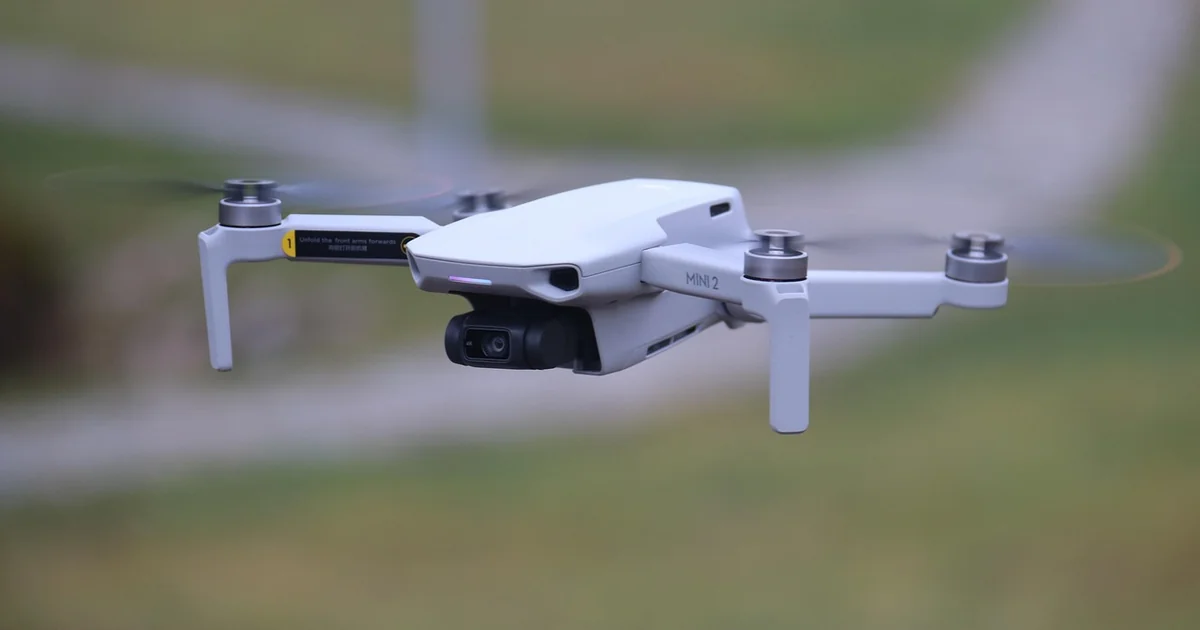
Saving over $170 on a quality piece of tech is the kind of news that stops you mid-scroll. Right now, Amazon has dropped the DJI Mini 3 to its lowest price ever, landing at $378.98. That marks a steep 31% discount from its usual $549 list price. For anyone who has been watching this drone from a distance, this moment feels like the green light to finally make a purchase.
This price cut arrives at a particularly interesting time. Recent chatter about foreign-made drone bans has left some shoppers nervous. The good news is that existing stock of DJI drones remains completely unaffected by those restrictions. You can buy this model with confidence, knowing the supply chain and your ability to fly it remain fully intact.
The Weight Advantage That Changes the Rules
The DJI Mini 3 tips the scales at under 249 grams. That single number matters more than most people realize. In the United States, the Federal Aviation Administration draws a clear line at that weight. Drones under 249 grams do not require FAA registration for recreational use. They also skip the Remote ID requirement that heavier models must carry.
This removes a major hurdle for casual flyers. You do not need to create an FAA account, pay a registration fee, or affix an identification number to the drone body. You simply unbox it, charge the battery, and take off. For a first-time drone owner, that frictionless start makes all the difference.
What If You Want to Fly Commercially?
That no-registration rule applies strictly to recreational flying. If you plan to use the DJI Mini 3 for paid work, the situation changes. Real estate agents capturing property footage, wedding photographers, or inspectors using aerial views all fall under commercial rules. You will need a Part 107 remote pilot certificate from the FAA regardless of the drone weight. The 249-gram threshold removes the registration step, but it does not remove the licensing requirement for commercial operations. Always check current FAA guidelines before using any drone for business purposes.
Visual Quality That Rivals Larger Drones
Do not let the compact size fool you. The DJI Mini 3 records video in 4K HDR, which delivers richer colors and better contrast than standard 4K. It uses a technology called Dual Native ISO Fusion. This means the sensor captures two versions of the same image at different sensitivity levels and blends them together. The result is cleaner footage in challenging lighting, like golden hour sunsets or shady tree lines.
For someone upgrading from a smartphone or a cheap toy drone, the difference is dramatic. Shadows retain detail without turning muddy. Highlights do not blow out into white blobs. You get footage that looks polished enough for client work or social media sharing without needing expensive editing software.
True Vertical Shooting for Social Media
Here is where the DJI Mini 3 pulls ahead of many competitors. It supports True Vertical Shooting. The camera rotates 90 degrees so you capture vertical video natively. This is not a crop of a horizontal frame. You get the full sensor resolution in portrait orientation.
For TikTok, Instagram Reels, and YouTube Shorts creators, this feature is a game changer. You shoot exactly what you need without losing resolution. No awkward black bars, no fiddly cropping in post-production. The drone does the work for you.
Imagine you are a travel vlogger filming a quick tour of a European plaza. You want that vertical format for your Instagram audience. With the Mini 3, you fly, rotate the camera, and record. The footage fits perfectly into the platform without extra steps.
Stability That Keeps Your Footage Smooth
Watching shaky drone footage ruins the experience. The DJI Mini 3 comes equipped with a three-axis mechanical gimbal. This gizmo keeps the camera level and steady even when the drone banks into a turn or fights a gust of wind. Mechanical stabilization is far superior to digital stabilization, which crops the frame and can create weird warping artifacts. You get clean, smooth pans and glides that look professional.
The drone also carries Level 5 wind resistance, meaning it can handle winds up to 38 kilometers per hour. That is roughly 23 miles per hour. For context, that covers most breezy days you would actually want to fly in. You do not need to ground the drone at the first sign of a light wind. It handles moderate gusts without struggling.
Altitude and Distance Capabilities
Brushless motors give the Mini 3 surprising power for its size. It can take off at altitudes up to 4,000 meters, or about 13,100 feet. If you live near mountains or plan to film in high-altitude locations, this drone handles the thin air without losing performance.
Video transmission reaches up to 10 kilometers. That distance is far beyond what most recreational pilots will ever need. But it means you can fly confidently around a large property or along a coastline without losing the connection to your controller. The signal stays strong and the live feed remains clear.
Battery Life That Gives You Real Flight Time
One of the biggest complaints about entry-level drones is short battery life. Many models in the sub-250-gram class offer only 20 to 25 minutes of actual flight time. The DJI Mini 3 delivers 38 minutes on a standard charge. That is measured under optimal conditions, but even in real-world flying, you get substantially more airtime than most competitors.
You may also enjoy reading: Save $150: The Best Breville Coffee Machine Deal Now.
If 38 minutes is not enough, DJI sells the Intelligent Flight Battery Plus separately. That larger battery pushes the drone slightly over the 249-gram weight limit, which means you would need FAA registration to use it. But for those willing to accept that trade-off, the flight time extends to 51 minutes. That extra battery opens up longer shooting sessions, larger area surveys, or just more fun flying before you need to land.
How to Maximize Your 38 Minutes
To get the most out of each battery, plan your shots before you lift off. Scout the location on foot first. Identify the angles you want and the flight path you need. When the battery is fresh, capture the most important footage first. Save lower-priority exploring for the final minutes.
Also, avoid aggressive flying. Rapid acceleration, hard braking, and high-speed turns drain the battery faster. Smooth, steady flying extends your airtime and produces better footage. Carry an extra standard battery if you need more than 38 minutes without crossing into registration territory.
How This Deal Compares to the DJI Mini 3 Pro
Shoppers often wonder whether to jump on this deal or wait for the Mini 3 Pro to go on sale. The Pro version offers additional sensors for obstacle avoidance, a slightly better camera, and a higher bitrate for video. But it also costs significantly more, even on sale.
The standard Mini 3, at this $379 price point, represents exceptional value. You lose the obstacle avoidance sensors, which means you must be more careful flying in tight spaces. But you gain the same camera sensor, the same gimbal, the same vertical shooting, and the same lightweight frame. For most recreational users and content creators, the non-Pro version delivers everything they need without the extra cost.
Making the Choice Based on Your Needs
If you are a cautious pilot who flies primarily in open areas, the Mini 3 Pro’s obstacle avoidance is a safety net you may not need. If you plan to fly indoors or near trees, the Pro’s sensors offer real protection against crashes. Evaluate your typical flying environment before deciding. But at this price, the standard Mini 3 is hard to beat for value.
Who Benefits Most From This Price Drop
Several types of buyers will find this deal particularly attractive. First-time drone buyers face a lot of hesitation around cost and complexity. This drone removes both barriers. The price is friendly, and the lack of FAA registration simplifies the first flight experience.
Social media content creators who prioritize vertical video will appreciate the native portrait shooting. No other sub-250-gram drone makes vertical capture this easy. For hobbyist photographers who want aerial perspectives without investing in a heavy, expensive rig, the Mini 3 fits perfectly into a backpack alongside a camera and lenses.
Real estate agents also benefit. Aerial property shots add a professional touch to listings. The lightweight design means you can toss it in the car without sacrificing trunk space. Just remember the Part 107 requirement for commercial use.