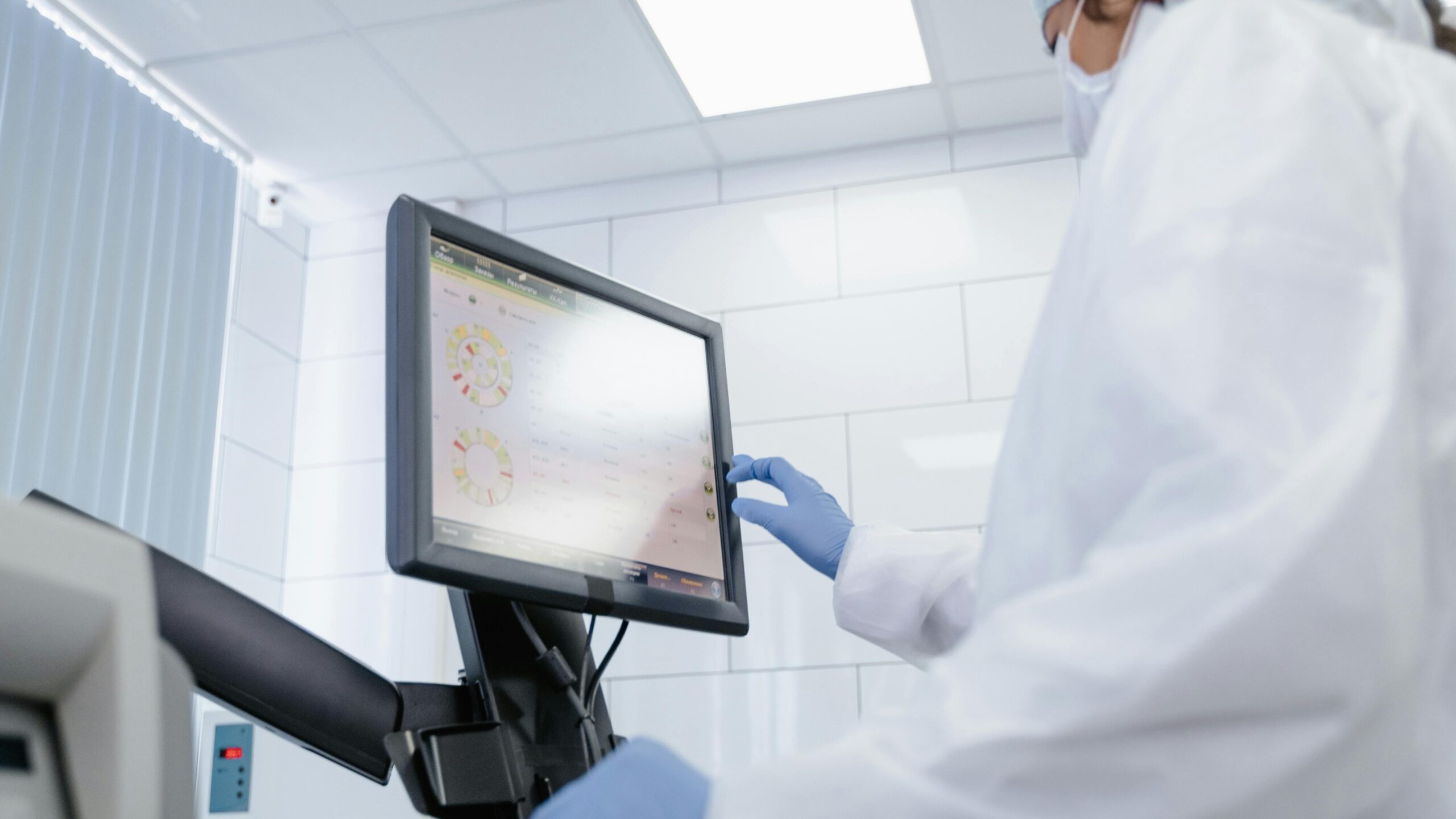
A Cath Lab Tech, or Cardiac Catheterization Technologist, assists cardiologists in procedures like angioplasties and stent placements. Responsibilities include patient preparation, equipment operation, and monitoring. Most require an associate degree and certification such as RCIS or ARRT. The field offers strong job growth and competitive salaries, especially for travel techs. Cath Lab Tech is a healthcare professional who assists cardiologists during cardiac catheterization procedures, including angioplasty and stent placement, in hospital or clinic settings. This guide provides a comprehensive roadmap for aspiring professionals to enter this rewarding cardiovascular career.
What is a Cath Lab Tech?
A Cath Lab Tech is a Cardiac Catheterization Technologist who plays a vital role in assisting cardiologists during invasive cardiovascular procedures. These professionals are integral members of the cardiac catheterization laboratory team, directly contributing to patient diagnosis and treatment. Cath Lab Techs help perform a variety of life-saving interventions, including angioplasties, stent placements, and electrophysiology studies. Their responsibilities also extend to crucial pre-procedure and post-procedure patient care, ensuring the smooth and safe execution of complex medical interventions.
Cath Lab Tech responsibilities include patient preparation, equipment operation, procedure assistance, and monitoring care. The daily tasks are dynamic, requiring a blend of technical skill, critical thinking, and interpersonal communication. They must meticulously prepare patients for procedures, explaining the process and ensuring their comfort and safety. Operating sophisticated imaging and monitoring equipment is also a key part of their role, often involving fluoroscopy and other advanced technologies.
Now let’s explore the educational path required to enter this field.
How to Become a Cath Lab Tech: Educational Path
The first step toward becoming a Cath Lab Tech involves acquiring the necessary formal education. Most employers in this field require candidates to hold at least an associate degree. These specialized programs are typically in cardiovascular technology, radiologic technology, or a similar allied health discipline. Earning a degree from an accredited institution ensures that you gain a comprehensive understanding of cardiac anatomy, physiology, and the technical skills needed for the role.
Many accredited programs offer hands-on training in catheterization labs, providing invaluable practical experience. Some institutions may also accept a certificate in a related field or a bachelor’s degree, depending on program specifics and employer preferences. The curriculum usually covers topics such as patient care, sterile techniques, cardiac pharmacology, hemodynamic monitoring, and the operation of specialized cath lab equipment. Successfully completing this foundational education is crucial for building a successful career as a Cath Lab Tech.
Once you have your degree, obtaining professional certification is the next critical step.
Which Certifications Do Cath Lab Techs Need?
After earning your degree, the next essential step is obtaining professional certification. These certifications validate your knowledge and skills, making you a more desirable candidate for employers. Two primary certifications are widely recognized for Cath Lab Techs: the Registered Cardiovascular Invasive Specialist (RCIS) and the Cardiac Interventional Radiography (CI) certification.
The Cardiovascular Credentialing International (CCI) offers the Registered Cardiovascular Invasive Specialist (RCIS) credential. This certification is specifically designed for individuals working in invasive cardiovascular services and demonstrates expertise in a broad range of cardiac procedures. Alternatively, the American Registry of Radiologic Technologists (ARRT) offers the Cardiac Interventional Radiography (CI) certification. This credential is often pursued by technologists with a background in radiography, focusing on the interventional aspects of cardiac procedures using imaging technologies.
Which certification is better depends on your background and career goals; RCIS is generally considered more comprehensive for invasive cardiology, while ARRT’s CI is well-suited for those coming from a radiology background. Both require passing a rigorous examination and meeting specific educational and experience prerequisites.
Beyond certification, understanding the day-to-day tasks is essential.
What Does a Cath Lab Tech Do Daily?
A Cath Lab Tech’s daily routine is dynamic and highly focused on patient care and procedural support within the cath lab environment. Cath Lab Tech responsibilities include patient preparation, equipment operation, procedure assistance, and monitoring care. This involves greeting patients, explaining the procedure details, and ensuring they are properly positioned and sedated if necessary. They meticulously prepare the sterile field and organize all the necessary catheters, wires, contrast media, and other equipment required for the intervention.
During the procedure, the Cath Lab Tech works closely with the cardiologist, anticipating needs and handing instruments and supplies. They operate complex fluoroscopic imaging equipment, guiding the cardiologist by providing real-time X-ray visualization of the heart’s arteries and chambers. Furthermore, they are responsible for monitoring the patient’s vital signs, hemodynamic pressures, and ECG readings, alerting the physician to any significant changes. Post-procedure, they assist with patient recovery, including wound site management and patient observation.
Now let’s look at the typical work environments where these tasks are performed.
Where Do Cath Lab Techs Work?
Cath Lab Techs primarily work in hospital catheterization labs, outpatient clinics, and specialized cardiovascular centers. These settings are equipped with advanced technology designed for diagnosing and treating a wide range of cardiovascular conditions. Hospitals are the most common workplace, particularly those with comprehensive cardiology departments that handle both emergency and elective procedures. They may also find opportunities in dedicated cardiac catheterization centers or interventional radiology suites within larger medical facilities.
In these environments, the Cath Lab Tech functions as a crucial member of the healthcare team, supporting cardiologists and other medical professionals. The pace can vary significantly, from scheduled diagnostic angiograms to critical, life-saving interventions like angioplasty and stent placement. The nature of the work requires a sterile environment and the ability to adapt to demanding situations, often involving rapid response to patient needs.
The growth is strong, which naturally leads to salary considerations.
Why Is the Cath Lab Tech Career Growing?
The demand for skilled Cath Lab Techs is on the rise, driven by an aging population and increasing prevalence of cardiovascular diseases. The Bureau of Labor Statistics projects job opportunities for Cath Lab Techs will grow faster than the average for all occupations. This strong growth is attributed to advancements in medical technology that enable more complex and less invasive procedures, further increasing the need for specialized personnel to perform them.
As the understanding of heart disease continues to evolve and treatments become more sophisticated, the role of the Cath Lab Tech becomes even more critical. The ability to assist in a wide array of procedures, from diagnostic angiograms to complex interventions, ensures a steady demand for qualified professionals. This favorable job outlook provides a sense of job security and abundant opportunities for those entering the field.
Here’s what you can expect to earn as a Cath Lab Tech.
How Much Do Cath Lab Techs Earn?
The earning potential for Cath Lab Techs is attractive and can vary significantly based on several key factors. Cath Lab Tech salary depends on location, experience, certifications, and facility type. Experienced professionals or those with advanced certifications often command higher salaries. Furthermore, the cost of living in a particular geographic area can influence pay rates, with positions in major metropolitan areas sometimes offering higher compensation.
Working in specialized settings or taking on roles with additional responsibilities can also lead to increased earnings. For instance, many Cath Lab Techs find opportunities in higher-paying travel positions, offering greater flexibility and financial rewards. Specialized skills or advanced credentials lead to higher salaries for Cath Lab Techs, making continuous professional development a wise strategy for maximizing income.
Now let’s discuss an exciting opportunity: travel Cath Lab Tech positions.
Is Traveling as a Cath Lab Tech Worth It?
For Cath Lab Techs seeking adventure and higher earning potential, travel positions offer a compelling career path. Travel Cath Lab Techs with AMN Healthcare earn between $1,800 and $4,480 per week. These roles involve working on short-term contracts, typically 13 weeks, in facilities across the country or even internationally. This provides an excellent opportunity to gain diverse experience, explore new places, and significantly boost income.
The benefits of being a travel Cath Lab Tech extend beyond just salary. Many positions come with housing stipends or provided accommodation, as well as health insurance and other benefits. While the lifestyle requires adaptability and independence, the rewards in terms of professional growth, financial gain, and personal enrichment are substantial. The demand for experienced travel techs remains high, according to data from healthcare staffing agencies, ensuring ample contract opportunities for qualified individuals.
After understanding the earning potential, here’s how to start your job search.
How to Get Your First Job as a Cath Lab Tech
Securing your first position as a Cath Lab Tech involves a strategic approach to your job search. After completing your education and obtaining relevant certifications, it’s time to tailor your resume and begin applying. Highlight your clinical experience, technical skills, and any specialized training you’ve received. Specialized skills or advanced credentials lead to higher salaries for Cath Lab Techs and can set you apart from other candidates. Reports indicate that networking is also crucial; attend industry conferences, join professional organizations, and connect with experienced professionals in the field. Informational interviews can provide valuable insights and potential leads. Consider starting in a more general radiology or nursing role within a hospital if direct entry into a cath lab is challenging, gradually building experience towards your desired specialization. Perseverance and a proactive approach are key to landing that initial role.
Now let’s wrap up our complete guide.
Start Your Cath Lab Tech Career Today
The journey to becoming a Cath Lab Tech is a structured path requiring dedicated education, relevant certifications, and continuous skill development. Cath Lab Techs help perform angioplasties, stent placements, and electrophysiology studies, playing a critical role in cardiovascular patient care. By following the steps outlined—from completing an associate degree to achieving certifications like RCIS or ARRT, and understanding daily responsibilities—you can confidently enter this growing and rewarding field. Embrace the opportunities for learning and growth; your commitment to excellence will be rewarded.
Now you have a complete roadmap—time to take action.
FAQ
Q: What is a Cath Lab Tech?
A: A Cath Lab Tech, or Cardiac Catheterization Technologist, assists cardiologists during procedures like angioplasty and stent placement. They prepare patients, operate equipment, and monitor care.
Q: What education is required to become a Cath Lab Tech?
A: Most employers require an associate degree in cardiovascular technology or a related field. Some programs also accept a certificate or bachelor’s degree.
Q: What certifications do Cath Lab Techs need?
A: Common certifications include the Registered Cardiovascular Invasive Specialist (RCIS) from CCI and the Cardiac Interventional Radiography certification from ARRT.
Q: What is the job outlook for Cath Lab Techs?
A: The Bureau of Labor Statistics projects job opportunities for Cath Lab Techs will grow faster than the average for all occupations.
Q: How much do Cath Lab Techs earn?
A: Salary varies by location, experience, certifications, and facility type. Travel Cath Lab Techs can earn between $1,800 and $4,480 per week.
Q: How can I become a travel Cath Lab Tech?
A: Gain experience and certifications, then apply with travel healthcare agencies. Travel techs enjoy higher pay and flexible assignments.