The Growing Pressure Around the SpaceX IPO
When a company prepares to go public, excitement usually dominates the conversation. But for SpaceX, the expected initial public offering has drawn something else entirely: organized opposition. Advocacy groups that previously targeted Tesla are now turning their attention to Elon Musk’s rocket company. The spacex ipo boycott movement is gaining momentum, and it raises serious questions for anyone who might invest in what could be the largest public offering in history.
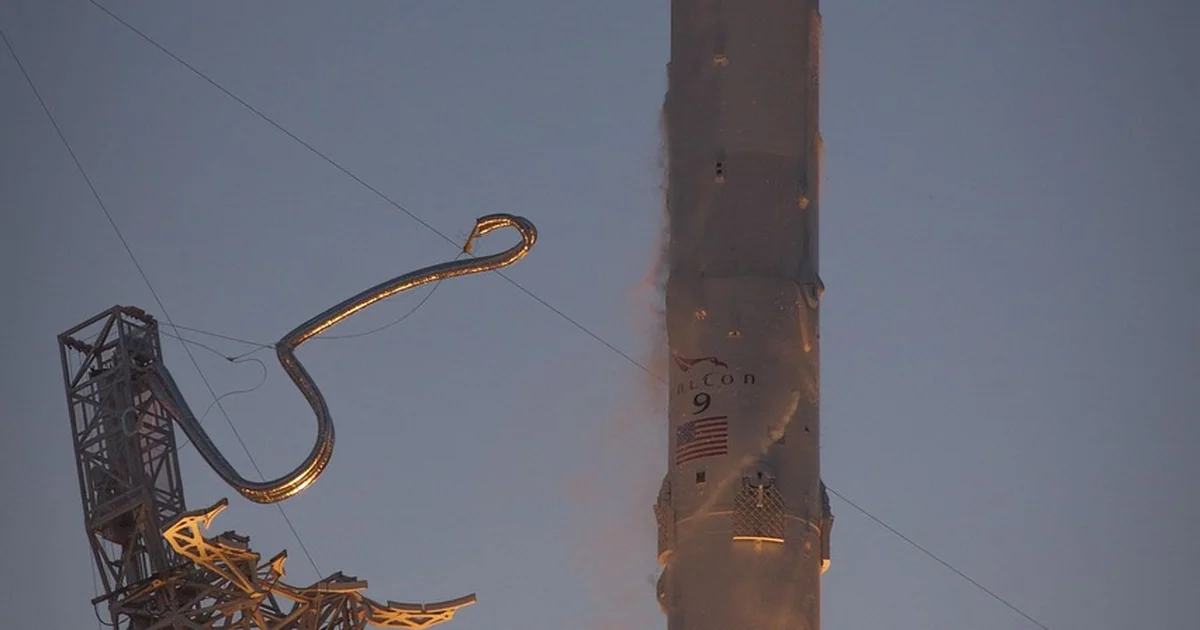
SpaceX is expected to debut on public markets in June. Estimates place its valuation above $2 trillion. That would instantly rank it among the top ten most valuable publicly traded companies in the world. But the same activists who helped erase roughly $600 billion from Tesla’s market capitalization are now mobilizing against this offering. Their arguments deserve a close look.
Who Is Calling for a SpaceX IPO Boycott and Why
The pushback is not coming from a single source. It is a coalition of labor unions, pension fund managers, and activist investor groups. Each has its own reasons for urging caution or outright rejection of the offering.
The American Federation of Teachers Takes a Stand
Randi Weingarten, president of the American Federation of Teachers, sent a letter to the Securities and Exchange Commission in late 2024. She urged the agency to scrutinize SpaceX’s IPO preparations closely. Her concern is practical: the union represents 1.8 million members, many of whom hold retirement accounts that will likely include SpaceX shares shortly after the offering.
Weingarten cited several specific worries. She questioned whether SpaceX’s business plans rely on technologies that remain speculative or unproven. She raised doubts about the thoroughness of the company’s accounting practices. She also pointed to concerns about board independence and whether outside directors provide genuine oversight. Her letter asked SEC chair Paul Atkins to direct review teams to examine SpaceX’s filings with exceptional care.
The union is not asking for the IPO to be blocked entirely. It wants stronger disclosures, independent oversight, and safeguards that prevent forced investment into what it sees as a risky enterprise. The message is clear: workers should not have their retirement savings automatically funneled into a company that operates more like a family venture than a transparent public corporation.
The Divest From Tesla Movement Expands Its Focus
A loosely organized activist group called Divest From Tesla helped drive the earlier campaign against the electric vehicle maker. Now it has turned its attention to SpaceX. The group argues that the IPO will deliver a massive cash infusion directly into Musk’s control. That money, they claim, could be used for personal and political purposes rather than for advancing space exploration or satellite internet services.
The group’s statement is direct. It says the IPO will allow Musk to tap tremendous wealth that he has used not for the greater good but to support causes the activists find objectionable. Whether you agree with that characterization or not, the sentiment reflects a growing frustration among some investors who feel that Musk’s public profile has become inseparable from his companies’ financial performance.
Pension Funds Express Caution
AkademikerPension, a retirement plan for teachers and government workers in Denmark, has already divested from Tesla. The fund’s head of global equities, Dan Wejse, describes SpaceX’s rumored valuation target as very rich. He says that alone makes the fund cautious about participating. Wejse plans to scrutinize the company’s financials and shareholder structure closely as more details emerge before the IPO.
In Pennsylvania, Lehigh County’s retirement board paused new investments in Tesla last year. County controller Mark Pinsley has not yet discussed a potential SpaceX investment with the board, but he is already concerned about one specific issue: index funds. If SpaceX becomes large enough to qualify for inclusion in major market indexes, it will automatically enter the county’s portfolio without any deliberate decision by the board. Pinsley describes this as a troubling dynamic in which pension funds support a company not because of its fundamentals but simply because it lands within an indexable range.
What the SEC Review Means for Investors
The spacex ipo boycott campaign has placed significant pressure on the Securities and Exchange Commission. But what can the SEC actually do?
The Commission’s Role in IPO Oversight
The SEC does not approve or reject IPOs in the way many people assume. Its role is to ensure that companies provide full and fair disclosure of material information. If SpaceX files its registration statement and the SEC finds omissions or misleading claims, the agency can delay the offering or demand corrections. It cannot, however, block a company from going public simply because some investors object to its leadership or business practices.
Weingarten’s letter asks the SEC to pay special attention to several areas. One is the valuation itself. A $2 trillion price tag requires extraordinary future profits to justify. If SpaceX’s projections rely on unproven technologies or optimistic revenue assumptions, the SEC may demand more detailed explanations. Another area is board composition. SpaceX is known for having a board that includes close associates of Musk. Questions about independence and fiduciary duty are likely to arise.
What Happens During the Review Process
The SEC typically reviews IPO filings over several months. Comments and questions go back and forth between the agency and the company’s legal team. For a mega-IPO like this one, the scrutiny will be intense. The commission has a dedicated division for corporate finance that handles these reviews. Staff analysts will examine everything from revenue recognition policies to risk factor disclosures.
If the SEC finds problems, it can issue a comment letter asking for changes. The company can either amend its filing or argue that the disclosure is adequate. This process often leads to more detailed risk sections in the final prospectus. Investors who read those documents carefully can gain a clearer picture of the challenges the company faces.
The Index Fund Dilemma: Forced Investment Without Consent
One of the most overlooked aspects of the spacex ipo boycott involves index funds. When a company reaches a certain market capitalization, it becomes eligible for inclusion in major stock market indexes like the S&P 500 or the Nasdaq 100. Fund managers who track these indexes must buy shares whether they want to or not.
This creates a strange situation. A teacher in Pennsylvania or a nurse in California might have no opinion about SpaceX at all. But if their 401(k) plan uses an index fund that tracks the S&P 500, they will automatically own a piece of the company. They have no choice in the matter. They cannot opt out without selling the entire fund and paying capital gains taxes.
Mark Pinsley from Lehigh County calls this a fundamental problem. Pension funds end up supporting companies not because of sound fundamentals or ethical alignment but simply because of mechanical index inclusion. For a company with a valuation as extreme as SpaceX’s, this automatic investment could expose retirees to significant risk if the stock eventually falls.
The solution is not simple. Some pension funds could choose to use actively managed funds instead of index funds, but that introduces higher fees and different risks. Others could adopt ESG screening policies that exclude certain companies, but those policies take time to implement and can be politically controversial. For now, the most practical step is for fund trustees to review their index fund holdings regularly and understand what new companies may soon be added.
How the Tesla Boycott Experience Shapes This Moment
The activists targeting SpaceX did not appear out of nowhere. They spent years organizing against Tesla, and they learned valuable lessons along the way.
What Worked in the Tesla Campaign
Last year, advocacy groups urged state and local officials and six major investment funds to review their Tesla holdings. The results were mixed. Some pension funds, like AkademikerPension, divested entirely. Others, like Lehigh County, paused new investments. But Tesla’s share price did not collapse. In fact, it remained surprisingly resilient even as Musk engaged in political activities that some investors found concerning.
One observer noted that Tesla was losing revenue hand over fist while Musk was talking to political figures, yet the stock barely moved. This suggests that traditional financial metrics are not the only drivers of Tesla’s valuation. Brand loyalty, retail investor enthusiasm, and a sense of being part of a mission all play a role. The same dynamics could apply to SpaceX, which has an even stronger narrative around exploration and innovation.
Lessons the Activists Are Applying Now
The Divest From Tesla group and its allies have refined their approach. Instead of focusing solely on Musk’s behavior, they are now emphasizing concrete investor protection issues. They talk about disclosure quality, board independence, and valuation risk. These are topics that resonate with institutional investors who have fiduciary duties to their beneficiaries.
They are also targeting the SEC directly. By writing letters and generating media coverage, they hope to create enough public pressure that the commission takes an unusually close look at SpaceX’s filings. Even if the IPO proceeds on schedule, heightened scrutiny could lead to more detailed disclosures that help investors make better decisions.
You may also enjoy reading: Norway’s $2.2 Trillion Sovereign Wealth Fund Sees 1.9% Loss.
What Retail Investors Should Watch For
If you are an individual investor considering whether to participate in the SpaceX IPO, the boycott campaign raises several practical questions.
Read the Prospectus Carefully
The S-1 filing, when it becomes public, will contain a wealth of information. Pay special attention to the risk factors section. Look for disclosures about reliance on government contracts, the profitability timeline for Starlink, and the company’s plans for Starship. If the SEC has pushed for additional disclosures, those sections may be more detailed than what SpaceX originally wanted to provide.
Consider the Valuation Context
A $2 trillion valuation is extraordinary. For context, that would make SpaceX more valuable than virtually every company on earth except a handful of tech giants. To justify that price, the company would need to generate profits that rival those of Apple or Microsoft. That is not impossible, but it requires a level of success that very few companies have ever achieved.
Ask yourself whether the revenue streams are real or speculative. Starlink has paying customers, but its long-term profit margins are uncertain. Launch services are profitable but represent a relatively small market. Starship, the next-generation rocket, has not yet demonstrated its full capabilities. The valuation assumes that all of these pieces come together perfectly.
Decide Whether You Can Separate the Company From the Person
Some investors will avoid SpaceX simply because they disagree with Musk’s public statements or political activities. Others will invest because they believe in the company’s mission regardless of its CEO. Both positions are valid. The key is to be honest with yourself about what matters to you and to make a decision that aligns with your values and your financial goals.
Watch for Index Fund Inclusion
If you own broad market index funds, you may end up holding SpaceX shares whether you intend to or not. Check the holdings of your funds regularly. If you want to avoid exposure, consider using ETFs that track narrower indexes or that apply ESG screens. Be aware that selling index funds to avoid one stock can have tax consequences and may reduce diversification.
The Bigger Picture: Precedent for Future Mega-IPOs
The outcome of the SpaceX IPO and the surrounding boycott could set a precedent that affects how other large offerings are handled in the future.
What Happens If the Boycott Gains Real Traction
If enough institutional investors sit out the IPO, the share price could be lower than expected on the first day of trading. That might create a buying opportunity for those who are willing to take the risk. It could also send a signal to other companies that investor sentiment around governance and leadership matters.
On the other hand, if the IPO is wildly successful despite the protests, activists may need to rethink their strategies. The Tesla experience suggests that financial performance and narrative power can override ethical concerns in the short term. Long-term outcomes are harder to predict.
How the SEC’s Response Could Shape Future Reviews
If the SEC demands unusually detailed disclosures from SpaceX, that could become the new normal for mega-IPOs. Companies with complex business models or controversial leadership may face tougher questions during the review process. That would be a meaningful shift in how the agency operates.
Alternatively, if the SEC treats SpaceX like any other IPO, critics will argue that the system is failing to protect investors. The tension between market efficiency and investor protection is not new, but it is especially visible in this case because of the scale of the offering and the intensity of the opposition.
What This Means for Union Pension Funds
Randi Weingarten’s involvement highlights a broader trend. Labor unions are becoming more active in corporate governance issues. They are using their positions as large institutional investors to push for changes in how companies operate. If the American Federation of Teachers succeeds in forcing better disclosures from SpaceX, other unions may follow suit with other companies.
This could lead to a future in which IPO filings are more transparent, boards are more independent, and valuations are more thoroughly vetted before shares go public. Those would be positive developments for all investors, not just union members.
Navigating a Complicated Moment
The spacex ipo boycott is not a simple story of good versus evil. It is a complex situation involving legitimate financial concerns, ethical disagreements, and the mechanics of how public markets work. Investors on all sides have reasonable positions.
For the teacher whose retirement account may automatically include SpaceX shares, the issue is about consent and risk. For the activist who sees the IPO as enabling behavior they oppose, the issue is about values. For the financial advisor trying to guide clients through the noise, the issue is about separating facts from emotions.
What is clear is that this IPO will be unlike any other. The attention from regulators, the pressure from advocacy groups, and the sheer size of the offering make it a landmark event. How it unfolds will tell us a great deal about the power of organized investor activism and the limits of market momentum. Pay attention to the details, read the filings, and make your own decision based on what matters most to you.