Owning a high-performance machine like a Ferrari Purosangue is rarely about seeking a quiet, cushioned ride through suburban streets. While many luxury SUVs focus on isolating the driver from the outside world, the true enthusiast craves a visceral connection to the machine. There is a specific, intoxicating tension between comfort and chaos that defines the Maranello experience. For those who find the factory settings a bit too polite, exploring various ferrari purosangue upgrades can transform the vehicle from a sophisticated grand tourer into a focused, aggressive beast that demands respect on every corner.
Optimizing the Transmission for Mechanical Brutality
The heart of the driving experience lies within the gearbox. While the standard double-clutch paddle-shift system is a marvel of engineering, it is often tuned for a balance of speed and smoothness. For the driver who wants to feel every single gear change as a physical event, adjusting the control strategies can make a massive difference. By prioritizing shift speed over cabin refinement, you can achieve a level of engagement that mimics a racing cockpit.
Refining Gearbox Control Strategies
One of the most impactful ferrari purosangue upgrades involves how you approach the transmission’s software behavior. In its standard configuration, the gearbox seeks to minimize the jolts felt by passengers. However, by opting for more aggressive shift profiles, you can significantly reduce the time it takes for the next gear to engage. This comes at the cost of a smoother ride, but for a driver prioritizing performance, that trade-off is exactly what is needed. When you push the engine into higher RPM ranges, particularly above the 5,500 rpm threshold, the manual mode transitions from a smooth glide to a sharp, mechanical snap. This creates a sense of urgency that makes every acceleration feel intentional and powerful.
Managing Traction and Stability Control Settings
The way the car handles power delivery is heavily dictated by the electronic safety nets. To make the SUV feel sharper, one must master the interplay between traction control and the engine’s raw output. In more permissive settings, the car allows for a slight degree of slip, which can be incredibly rewarding on a technical track or a winding mountain pass. Rather than the computer constantly intervening to smooth out the power, a more relaxed setting allows the driver to feel the limit of adhesion. This doesn’t mean losing control, but rather gaining a more honest dialogue with the tires and the road surface.
Enhancing Aesthetic Aggression and Visual Presence
A car of this caliber should look as intimidating as it performs. While the base design is undeniably elegant, there are ways to lean into a more predatory aesthetic. Subtle changes in color palette and material choice can shift the vehicle’s personality from “luxury cruiser” to “track-ready predator.”
Implementing the Handling Speciale Aesthetic Package
If you want to signal high-performance status through subtle yet unmistakable cues, looking toward the Handling Speciale philosophy is a wise move. This approach replaces traditional, bright chrome accents with dark, purposeful elements. Imagine the difference between a car that glimmers in the sun and one that seems to absorb the light around it. By incorporating diamond-cut wheels and replacing the standard yellow shields with carbon-fiber versions on the side panels, you create a cohesive, high-tech look. This aesthetic shift moves away from “show car” and toward “specialized tool,” which is the hallmark of true automotive excellence.
Customizing Rear Details and Exhaust Profiles
The rear of the vehicle is where the car’s character is most visible to those following behind. A common way to sharpen the visual profile is to move away from polished finishes. Swapping out standard brightwork for black exhaust tips and a black rear badge provides a much more grounded, muscular appearance. These small details might seem minor in isolation, but when combined, they create a visual weight that makes the Purosangue appear lower and wider. It is about creating a sense of “stealth wealth” where the aggression is felt through quality and darkness rather than loud, flashy ornamentation.
You may also enjoy reading: 7 Best Fire Stick Max Deals to Save $20 at Amazon Now.
Improving Tactile Ergonomics and Driver Interaction
Driving a supercar is a sensory experience that extends far beyond what the eyes see. The way your hands interact with the controls determines how much you feel “in” the car versus just “on” it. Modern trends often lean toward touchscreens and capacitive surfaces, but for a driver navigating high-speed maneuvers, these can be a distraction.
Prioritizing Physical Controls over Capacitive Panels
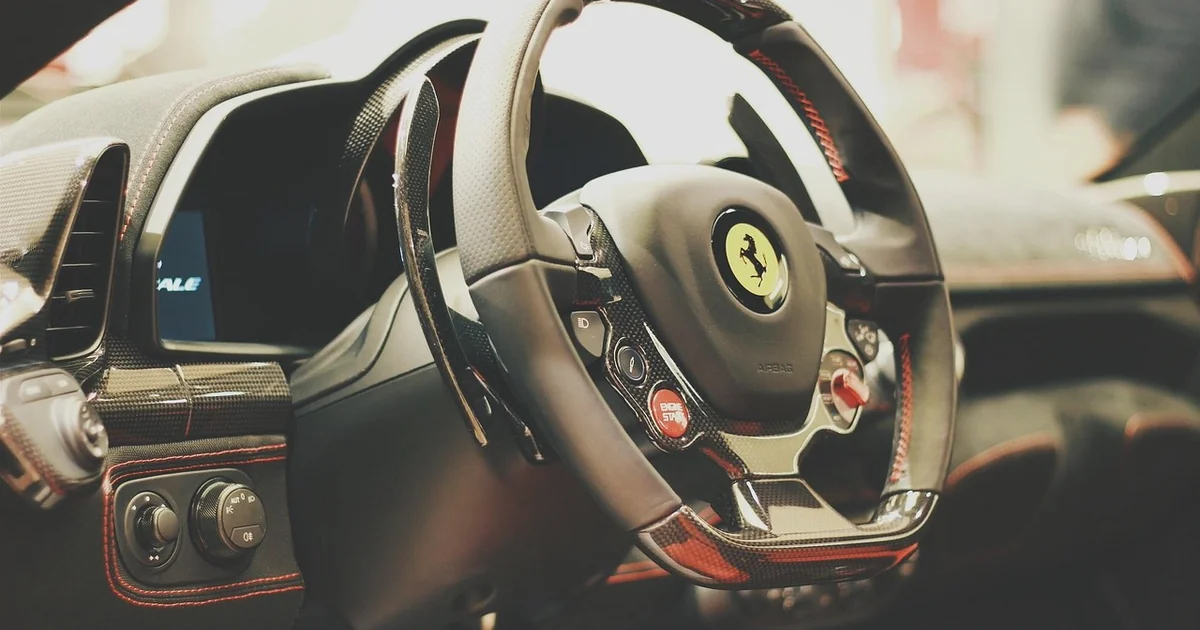
There is a profound difference between tapping a glass screen and clicking a physical button. In a high-performance environment, tactile feedback is king. When you are focused on an apex, you cannot afford to look down to find a touch-sensitive slider. Seeking out configurations that feature physical buttons on the steering wheel ensures that every adjustment—whether it is volume, cruise control, or drive modes—can be made by muscle memory alone. This level of ergonomic precision reduces cognitive load and allows the driver to keep their eyes exactly where they belong: on the road ahead.
Optimizing Interior Materiality for Driver Focus
The interior of a Purosangue is a masterpiece of leather and carbon, but for the driver looking for a sharper experience, the focus should be on grip and stability. This might involve selecting specific Alcantara or high-grip leather combinations for the steering wheel and seat bolsters. If you find yourself sliding slightly during spirited cornering, the problem isn’t the car’s suspension, but rather the interface between your body and the seat. Upgrading the tactile nature of the cabin ensures that you feel as much a part of the chassis as the mechanical components themselves.
Looking Toward the Future of Maranello Engineering
As the automotive landscape shifts toward electrification, the way we define “sharpness” is evolving. While the internal combustion engine provides a mechanical soul, the coming era of electric performance will introduce new ways to engage the driver. It is worth noting that Ferrari is already preparing for this transition with the upcoming Luce, their first dedicated electric vehicle. While the Purosangue remains a masterclass in V12 engineering, the lessons learned from high-torque electric powertrains will eventually influence how even the most traditional combustion engines are tuned for responsiveness.
Whether you are tweaking the gearbox for a more brutal shift or swapping chrome for carbon fiber, the goal of these ferrari purosangue upgrades is to align the vehicle’s behavior with your personal driving philosophy. A Ferrari is never truly “finished”; it is a living machine that can be molded to reflect the intensity of its owner.