The sudden closure of the Strait of Hormuz in late March 2026 acted as a global wake-up call, sending shockwaves through every energy-dependent market on the planet. While Brent crude prices skyrocketed to 126 dollars per barrel and the World Bank issued warnings of a 24 per cent spike in global energy costs, the impact was felt most acutely in the Southern Hemisphere. For most nations, this geopolitical tremor represented a severe economic headache, but for the Australian continent, it revealed a terrifying structural weakness. The crisis exposed a reality that had been simmering beneath the surface for decades: a profound reliance on external supply chains that can be severed in an instant by regional conflicts thousands of miles away.
The Anatomy of a National Security Crisis
To understand why a single maritime chokepoint can threaten the stability of a developed nation, one must look closely at the specific metrics of fuel dependency. Australia currently imports approximately 80 per cent of its refined fuel requirements. This is not merely a trade statistic; it is a vulnerability coefficient. When you combine this high import rate with the fact that Australia holds the lowest fuel reserves of any member of the International Energy Agency, the picture becomes even more concerning. While the international standard for energy security suggests a minimum of 90 days of reserve coverage, the actual figures on the ground tell a different story. Australia currently maintains roughly 36 days of petrol, 29 days of jet fuel, and 32 days of diesel.
This lack of a buffer is compounded by the absence of a dedicated government strategic petroleum reserve, a policy choice that places Australia in a rare category alongside New Zealand. Domestic refining capabilities are limited, covering only about 17 per cent of the nation’s total demand, while raw domestic production meets a mere 5.6 per cent. This means the vast majority of the energy required to move people, transport goods, and power industries must navigate complex, international waters. The Hormuz crisis proved that the vulnerability is real, and that the fix is not found in traditional oil politics, but in a fundamental technological shift toward domestic energy sovereignty.
The strategic pivot now underway involves a massive redirection of capital. The australia renewable energy investment landscape has shifted from a purely environmental pursuit to a core pillar of national defense. By investing in the ability to generate power locally through wind, solar, and hydrogen, the nation is essentially building a decentralized energy fortress that cannot be blockaded by a foreign power or a closed shipping lane.
Breaking Down the 22 Pillars of the Future Made in Australia Initiative
The Albanese government has responded to these geopolitical realities with the 22.7 billion dollar Future Made in Australia programme. This is not a typical climate policy; it is an industrial overhaul designed to ensure that the next century of energy is produced within domestic borders. Below are the specific components and strategic directions that define this massive undertaking.
1. Green Hydrogen Production Incentives
A staggering 14 billion dollars has been earmarked specifically for the development of green hydrogen. This technology is viewed as the holy grail for decarbonizing heavy industries that cannot easily run on electricity alone, such as steel manufacturing and long-haul shipping. By using renewable electricity to split water molecules, Australia aims to become a premier exporter of clean fuel while securing its own industrial base.
2. The Australian Renewable Energy Agency Expansion
With a dedicated 5.1 billion dollars, the Australian Renewable Energy Agency (ARENA) is being empowered to move beyond small-scale pilots and into massive infrastructure deployment. This funding is designed to de-risk large-scale projects, making it easier for private capital to flow into the grid-scale wind and solar farms that will form the backbone of the new energy economy.
3. Residential Battery Subsidies
Recognizing that energy security starts at the household level, the government has allocated 2.3 billion dollars toward home battery subsidies. This initiative encourages homeowners to store the energy they produce from their rooftop solar panels, reducing the strain on the central grid during peak times and providing a layer of individual resilience against energy price volatility.
4. Green Metals Processing Infrastructure
A 750 million dollar investment is being directed toward the processing of green metals. Instead of simply exporting raw lithium, nickel, and cobalt, Australia intends to move up the value chain. Processing these minerals domestically using renewable energy ensures that the components for the global battery revolution are manufactured in a secure, low-carbon environment.
5. Grid-Forming Inverter Technology
As the nation moves away from heavy, spinning coal turbines, the grid requires a new type of stability. Investment is flowing into grid-forming inverters, which allow renewable sources to mimic the mechanical inertia of traditional power plants. This technology is critical for maintaining a steady frequency and preventing blackouts in a system dominated by variable solar and wind.
6. Large-Scale Wind Farm Deployment
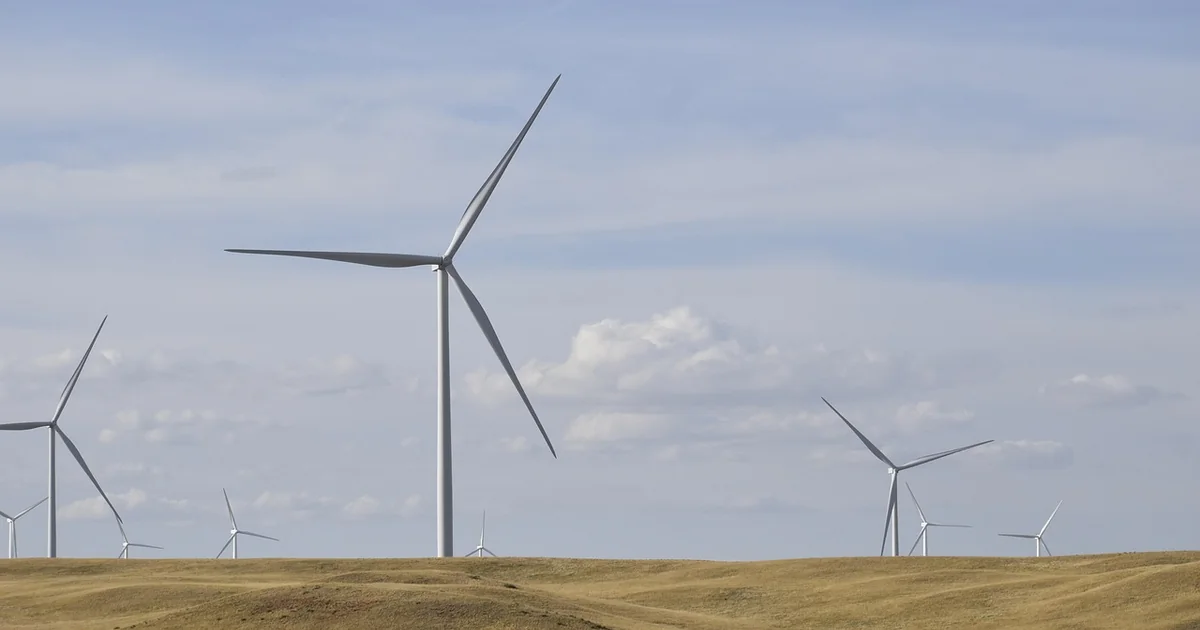
The push for 80 per cent renewable electricity by 2030 relies heavily on the rapid expansion of wind energy. These projects, often located in high-wind corridors, provide a consistent energy profile that complements solar generation, particularly during evening hours when solar output drops off significantly.
7. Utility-Scale Solar Expansion
Building on the momentum of 2025, where 7 gigawatts of new capacity were added, utility-scale solar is being scaled up to unprecedented levels. These massive arrays are designed to feed directly into the high-voltage transmission networks, providing the bulk of the daytime energy required by the industrial sector.
8. Critical Mineral Supply Chain Security
The australia renewable energy investment strategy is deeply intertwined with the securing of critical minerals. By ensuring that the supply of minerals required for magnets, batteries, and semiconductors is robust and domestically managed, Australia protects itself from the same type of supply chain shocks that affected the oil market in 2026.
9. Decentralized Microgrid Development
To protect against localized failures or physical attacks on the main transmission lines, there is a growing focus on microgrids. These smaller, self-sufficient energy networks can operate independently from the main grid, providing essential power to remote communities and critical infrastructure during emergencies.
10. Renewable Energy Zone (REZ) Planning
The government is coordinating the development of Renewable Energy Zones, which are specific geographic areas where transmission infrastructure and generation projects are clustered. This integrated planning approach reduces the cost of connection and ensures that new energy is channeled efficiently to where it is needed most.
11. Workforce Transition and Training
A massive shift in technology requires a massive shift in labor. Significant resources are being directed toward retraining workers from the traditional fossil fuel sectors into roles within the renewable energy and green hydrogen industries, ensuring that the transition is economically inclusive.
12. Advanced Energy Storage Solutions
Beyond lithium-ion batteries, research and investment are moving into long-duration energy storage. This includes pumped hydro, thermal storage, and compressed air energy storage, all of which are necessary to manage the seasonal variability of renewable energy sources.
13. Green Steel Manufacturing Hubs
By combining green hydrogen with local iron ore, Australia is positioning itself to lead the world in green steel production. This not only lowers the carbon footprint of the manufacturing process but also creates a high-value export product that is immune to the volatility of the oil and gas markets.
14. Digital Grid Management Systems
A modern, renewable-heavy grid requires sophisticated AI-driven management systems. These digital tools predict weather patterns, manage demand response, and optimize the flow of electricity in real-time, ensuring that the intermittent nature of renewables does not compromise reliability.
You may also enjoy reading: iPhone 18 Pro New Color Mix: 3 Colors to Watch.
15. Strengthening Transmission Infrastructure
One of the biggest bottlenecks in the transition is the physical capacity of the wires. Massive investments are being made to upgrade and expand the high-voltage transmission network, connecting the wind-swept coasts and sun-drenched plains to the major population centers.
16. Solar Panel Manufacturing Incentives
To avoid being entirely dependent on overseas technology, there is a push to incentivize the domestic manufacturing of solar components. This ensures that the hardware required for the energy transition is part of a secure, local supply chain.
17. Hydrogen Export Infrastructure
Australia is not just looking to power itself; it is looking to become a global energy superpower. This involves building the ports, pipelines, and shipping terminals required to export green hydrogen and ammonia to markets in Asia and Europe.
18. Research into Next-Generation Photovoltaics
Continuous investment in R&D is focused on increasing the efficiency of solar cells. Technologies like perovskite solar cells promise much higher energy yields from the same surface area, which will accelerate the pace of the transition.
19. Community Engagement and Benefit Sharing
To ensure the social license to operate, new projects are increasingly incorporating models that share profits and benefits with local communities. This reduces opposition and ensures that the regions hosting the infrastructure are the primary beneficiaries of the new economy.
20. Cyber-Security for Energy Infrastructure
As the grid becomes more digitized and decentralized, it becomes a larger target for cyberattacks. A significant portion of the strategic planning involves hardening the digital defenses of the energy network to protect against state-sponsored hacking and disruption.
21. Electric Vehicle (EV) Integration
The transition to renewables is intrinsically linked to the electrification of transport. Policies are being implemented to ensure that the growing fleet of EVs can act as mobile batteries, providing further stability to the grid through vehicle-to-grid (V2G) technology.
22. Marine and Offshore Wind Exploration
With vast coastlines, Australia has immense potential for offshore wind. While still in the early stages, significant investment is being directed toward mapping these resources and developing the specialized vessels and technology needed to harness ocean winds.
Overcoming the Challenges of the Transition
While the roadmap is clear, the path is fraught with significant hurdles. One of the primary challenges is the sheer scale of the infrastructure required. Building thousands of kilometers of new transmission lines and hundreds of massive wind and solar farms is a logistical feat that has never been attempted at this speed. There is also the issue of “intermittency”—the fact that the sun does not always shine and the wind does not always blow. Without massive, coordinated investment in storage and grid management, the risk of instability remains high.
Another major obstacle is the social and political friction that often accompanies large-scale industrial shifts. Local communities may resist the visual or environmental impact of new wind farms or high-voltage lines. Furthermore, the transition requires a delicate balancing act to ensure that energy prices remain affordable for families during the period when the old system is being phased out and the new one is being built.
To solve these problems, a multi-pronged approach is necessary. First, the government must continue to use direct subsidies to de-risk projects, moving faster than the traditional venture capital model allows. Second, there must be a relentless focus on technological innovation in storage and grid management to solve the intermittency problem. Finally, a transparent and inclusive approach to community engagement is vital to ensure that the transition has the broad public support required to sustain it over the coming decade.
The New Definition of National Security
The lessons of the 2026 Hormuz crisis are profound. They teach us that in a modern, interconnected world, energy security is synonymous with national sovereignty. A nation that relies on a single, vulnerable chokepoint for its survival is a nation that is inherently insecure. The shift toward australia renewable energy investment is not merely a response to climate change; it is a proactive defense against the unpredictable nature of global geopolitics.
Every kilowatt hour of electricity generated by a domestic solar panel or a wind turbine represents a step toward independence. It is a unit of energy that does not depend on a refinery in Singapore, a tanker in the Middle East, or a political decision in a distant capital. By electrifying the economy and powering that electricity with the wind and sun, Australia is building a future where its prosperity is determined by its own resources rather than the stability of global shipping lanes. The transition is difficult, expensive, and technically demanding, but the alternative—a total reliance on a fragile and volatile global oil market—is a risk the nation can no longer afford to take.