The dashboard of a modern vehicle is no longer just a collection of dials and physical switches; it has become a sophisticated extension of our digital lives. As mobile operating systems evolve, the boundary between our handheld devices and our driving environments continues to blur. The recent arrival of iOS 26.4 marks a significant pivot in how we interact with our cars, shifting the focus from simple navigation and music playback toward deep, conversational intelligence and highly personalized sensory experiences. By introducing new ways to interact with artificial intelligence and refining the way we glance at information, Apple is attempting to solve the age-old tension between high-tech connectivity and the fundamental necessity of driver focus.
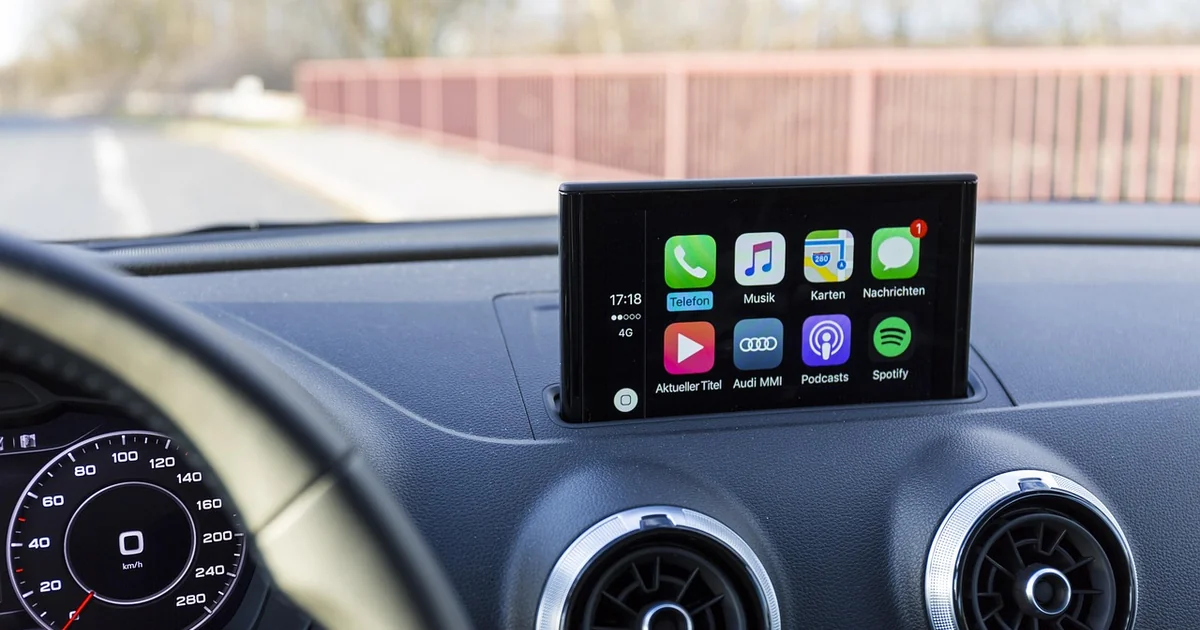
The New Era of Conversational Intelligence in the Cockpit
For years, drivers have faced a frustrating gap between the power of their smartphones and the limitations of their car interfaces. While you might use a sophisticated LLM (Large Language Model) to draft an email or summarize a complex document while sitting at a desk, those same capabilities were largely locked away the moment you put the car in gear. The introduction of carplay ai apps changes this dynamic by creating a dedicated lane for voice-centric, conversational software. This isn’t just about asking for the weather; it is about bringing the world’s most advanced reasoning engines into the passenger seat through purely auditory channels.
The logic behind this shift is rooted in the concept of cognitive load. Traditional smartphone interfaces rely heavily on visual processing, which is the most dangerous activity for a driver to engage in. By categorizing these new tools as voice-based conversational apps, the system ensures that the intelligence remains accessible without requiring the driver to take their eyes off the road. This creates a hands-free, eyes-free environment where the car becomes a proactive participant in your daily tasks rather than just a passive receiver of commands.
Unlocking the Potential of carplay ai apps
The most significant change in this update is the official support for a new category of software designed specifically for verbal exchange. Previously, third-party apps were largely restricted to specific silos like music, navigation, or messaging. Now, developers can build interfaces that prioritize the spoken word, allowing for a much more fluid exchange of information. This opens the door for a level of utility that was previously unimaginable during a morning commute or a long road trip.
Imagine a scenario where you are stuck in heavy traffic and need to brainstorm ideas for a presentation or simply want to discuss a complex topic to help you learn. Instead of waiting until you reach your destination, you can now engage with these advanced models. This turns “dead time” in traffic into productive or educational time, provided the interaction remains strictly auditory.
The Arrival of ChatGPT and Perplexity on the Dashboard
Leading the charge in this new category are industry giants like ChatGPT and Perplexity. These platforms have recognized that the car is the next great frontier for conversational AI. By releasing dedicated versions of their software optimized for CarPlay, they are providing users with immediate access to high-level reasoning while driving. These apps act as a bridge, bringing the sophisticated logic of the phone to the car’s audio system.
When you use these apps, the experience is fundamentally different from using a standard voice assistant. While a traditional assistant might struggle with nuance or follow-up questions, these specialized carplay ai apps are designed to handle complex, multi-turn dialogues. You can ask a question, receive an answer, and then ask a follow-up that builds upon the previous context, all without ever touching a screen.
Safety-First Design: The Visual Ban
A critical question many users ask is how these apps remain safe. The answer lies in a strict architectural limitation: these apps are prohibited from displaying text or imagery on the vehicle’s display. This is a deliberate design choice to prevent the “distraction trap” that occurs when a driver tries to read a long response from a chatbot. In the world of automotive safety, even a two-second glance away from the road can be catastrophic.
As a result, the interface for these apps is minimalist. You might see a simple icon or a subtle animation indicating that the AI is listening or processing, but the meat of the interaction is entirely acoustic. This ensures that the intelligence is felt and heard, rather than seen, maintaining the driver’s primary focus on the driving environment.
Siri’s Role as the Primary Gatekeeper
Despite the influx of powerful third-party AI, Siri is not going anywhere. For the time being, Apple has maintained Siri as the default, system-level assistant. This is a strategic move to ensure a consistent baseline of safety and system control. Siri handles the “hard” car functions—like adjusting the climate, controlling volume, or managing phone calls—while the third-party AI apps act as specialized knowledge engines.
This creates a tiered hierarchy of intelligence. Siri manages the vehicle and the device, while the conversational apps manage the information and the dialogue. This separation of concerns helps prevent software conflicts and ensures that critical driving functions are never superseded by a third-party application’s processing needs.
The Evolution of the Dashboard Widget Ecosystem
Beyond the conversational revolution, iOS 26.4 continues to refine the visual language of the car through its widget system. Introduced in the broader iOS 26 update, widgets bring the “glanceable” philosophy of the iPhone to the dashboard. Instead of digging through menus, drivers can see vital information—like the weather or upcoming reminders—at a single glance. This reduces the time spent interacting with the screen and increases the time spent observing the road.
The widget system is designed to be modular and customizable. As users become more accustomed to this layout, the density and variety of available widgets will likely increase, allowing for a highly personalized cockpit that reflects the driver’s current priorities, whether they are focused on work, family, or relaxation.
Introducing the Ambient Music Widget
The latest addition to this ecosystem is the Ambient Music widget, a feature designed to cater to the emotional state of the driver. Music is more than just background noise; it is a tool for mood regulation. The Ambient Music widget allows for one-tap access to curated playlists designed for specific mental states, such as Chill, Productivity, Sleep, or Wellbeing. This is particularly useful for those who use music to transition between different modes of their day.
For example, a driver transitioning from a high-stress office environment to a quiet home commute might use the “Chill” setting to decompress. Conversely, someone starting a long, monotonous drive might select “Productivity” to stay alert and focused. It is a subtle but powerful way to integrate emotional intelligence into the driving experience.
How to Configure Your CarPlay Widgets
Setting up these new features is straightforward, though it is managed through the iPhone rather than the car’s head unit itself. To customize your experience, you must navigate to Settings, then General, then CarPlay, and finally select Widgets on your iPhone. From there, you can choose which widgets appear in your stacks and in what order.
This remote configuration model is intentional. It allows you to prepare your driving environment before you even enter the vehicle. By the time you sit in the driver’s seat and plug in your phone, your dashboard is already tailored to your current needs, whether you are heading to a morning meeting or driving home after a long trip.
The Anticipated Arrival of In-Car Video
Perhaps the most discussed feature in the recent development cycles is the long-awaited support for video. While it was originally slated for the initial iOS 26 release, the feature has undergone significant delays. However, recent evidence found within the iOS 26.4 beta cycle suggests that the groundwork is finally being laid for its debut. This represents a massive shift in the utility of the vehicle’s infotainment system.
The presence of video support in the beta builds indicates that the software side of the equation is nearing readiness. We have seen developers successfully trigger video interfaces within the testing environment, proving that the operating system can handle the data throughput and rendering required for high-quality video playback. This is a major milestone in the evolution of the connected car.
The Regulatory Hurdle: Why Video is Taking Time
If the software is ready, why hasn’t it reached consumers? The primary bottleneck is not Apple, but the automotive manufacturers. For video to be enabled in a vehicle, every automaker must formally approve the implementation for their specific hardware and safety configurations. This is a rigorous process involving legal departments, safety engineers, and regulatory bodies to ensure that video playback cannot be accessed while the vehicle is in motion.
As a result, we should expect a staggered rollout. Even after the software is officially released to the public, only certain car models will support video playback initially. This slow, methodical approach is necessary to maintain the integrity of driver safety standards and to comply with varying international laws regarding in-car entertainment.
You may also enjoy reading: First Drive: 7 Ways Next-Gen Xiaomi SU7 Redefines EVs.
Bridging the Gap Between Phone and Car AI
One of the most interesting challenges in this evolution is the growing gap between what AI can do on a phone and what it can do in a car. On a smartphone, AI can be visual, tactile, and highly interactive. In a car, it must be stripped down to its most essential, auditory form. This creates a unique design challenge: how do you provide “deep” intelligence without the benefit of a visual interface?
The solution lies in the quality of the voice synthesis and the natural language processing. For carplay ai apps to be truly effective, they must be able to understand intent even when the audio quality is imperfect or when the driver is speaking in fragments. The goal is to create an experience that feels less like “commanding a machine” and more like “talking to a passenger.”
The Future of Automotive User Interface Design
As these features roll out, we are seeing a fundamental shift in automotive UI design. The dashboard is moving away from being a static control panel and toward being a dynamic, context-aware environment. The integration of widgets, conversational AI, and eventually video, means that the interface will change based on the time of day, the driver’s location, and even their current mood.
This requires a new kind of design philosophy—one that prioritizes “glanceability” and “auditory ergonomics.” Designers must consider how a user will interact with a system when they cannot look at it, and how to provide enough information to be useful without causing cognitive overload. It is a delicate balance of high-tech capability and human-centric safety.
Practical Solutions for Managing Digital Distraction
While these new features offer incredible utility, they also present new risks for distraction. To make the most of these tools safely, users should adopt specific habits. First, perform all widget configurations and app setups while parked. Second, use the voice-only nature of the AI apps to your advantage by practicing clear, concise verbal commands rather than trying to “talk through” complex ideas that might require visual confirmation.
Another practical solution is to leverage the “Focus” modes on your iPhone. By setting up a specific “Driving Focus,” you can automatically trigger certain CarPlay widgets or limit which notifications reach your dashboard. This ensures that your digital environment is curated to support driving rather than competing for your attention.
The Impact of AI on Daily Commutes
For the average commuter, the impact of these updates will be felt in the quality of their daily travel. The ability to engage with a knowledgeable assistant can turn a stressful, traffic-clogged morning into a period of learning or mental preparation. It transforms the vehicle from a mere transport pod into a mobile office or a mobile study hall.
Furthermore, the Ambient Music widget provides a way to manage the emotional toll of commuting. By having pre-set “moods” ready to go, drivers can more easily regulate their stress levels, which is a critical component of safe driving. This integration of mental wellbeing into the automotive interface is a forward-thinking approach to vehicle technology.
Anticipating the Next Wave of Third-Party Integrations
Following the lead of ChatGPT and Perplexity, we can expect a wave of new integrations from other major AI players. Companies like Google with Gemini and Anthropic with Claude are likely already working on ways to bring their models into the CarPlay ecosystem. This competition will likely drive rapid innovation in how carplay ai apps function, leading to even more seamless and capable voice interactions.
As these models become more efficient and specialized, we might see “niche” AI assistants designed for specific driving tasks—such as an AI travel guide that provides deep historical context about the landmarks you are driving past, or an AI legal assistant that helps you understand local traffic laws and regulations in real-time.
The Long-Term Vision of the Connected Cockpit
Looking ahead, the trajectory is clear: the car is becoming a highly intelligent, highly personalized living space. The integration of AI, specialized widgets, and multi-modal interfaces is just the beginning. As autonomous driving technology continues to advance, the distinction between “driving” and “interacting with an interface” will continue to fade.
Even in the era of highly assisted driving, the ability to communicate naturally with our vehicles and their software will remain a core human need. Apple’s approach with iOS 26.4 suggests a future where technology serves us by being present when we need it, but staying out of the way when we need to focus on the road.
The evolution of CarPlay is a testament to the idea that technology should adapt to the human context, rather than forcing the human to adapt to the technology. By prioritizing voice and glanceable information, Apple is setting a standard for how we can integrate the most powerful tools of the digital age into the most critical moments of our physical lives.