The DeepSeek fundraising pause came as a surprise to many, given the company’s rapid rise in the competitive AI landscape. Liang verbally informed prospective backers to hold off on the round, which had a pre-money valuation target of 480 billion yuan ($71 billion). This unexpected DeepSeek fundraising pause highlights the growing tensions between research ambitions and investor expectations in the AI startup sector. For anyone following DeepSeek funding news, this development signals a significant shift in how AI startups navigate their growth strategies amid heightened scrutiny.
The Leaked Comments That Sparked the Funding Pause
The sudden halt in DeepSeek’s fundraising efforts didn’t come out of nowhere. It was triggered by a specific incident that quickly turned into a public relations challenge. Founder Liang Wenfeng’s candid remarks during investor meetings were leaked, and they created an immediate firestorm on Chinese social media. You might wonder why a few honest statements could cause such a major disruption, but the context is key.

What Liang Wenfeng Actually Said
According to the leaked comments, Liang told investors that China remains behind the US in overall AI capability. He also openly stated that DeepSeek depends heavily on Nvidia chips. For a Chinese AI startup competing on the global stage, these were surprisingly blunt admissions. Instead of the usual optimism you often hear in fundraising pitches, these founder comments offered a dose of reality that some investors weren’t prepared for.
Social Media Reaction
The leaked comments drew widespread attention on Weibo and other Chinese social media platforms. Rather than staying behind closed doors, the remarks became a national debate. Some praised Liang’s honesty, while others criticized the perceived lack of confidence in China’s domestic AI progress. This Weibo controversy highlighted just how closely the public is watching the AI sector.
This public airing of internal strategy may have exposed deeper issues within the company. It highlights the tension between pure research ambitions and the expectations of investors looking for a clear path to profitability. For the company, this DeepSeek fundraising pause could be a brief interruption. Alternatively, it might be a sign that the company needs to reconcile its research-first culture with the commercial realities demanded by its backers. The internal tensions are now out in the open, and how DeepSeek handles them will determine the next chapter of its growth.
Investor Reactions and Market Sentiment
The news of the DeepSeek fundraising pause sent ripples through the venture capital community, but the exact response from backers is more nuanced than a simple stampede for the exits. Liang’s verbal instruction to prospective investors to hold off raises a key question: did they actually walk away, or are they simply waiting in a holding pattern?

Did Investors Withdraw or Simply Pause?
For now, the situation looks less like a full-blown investor revolt and more like a strategic timeout. Liang told backers to pause, but that doesn’t mean every potential partner has severed ties. Many may be keeping their powder dry, watching to see how DeepSeek resolves its internal culture clash before committing fresh capital. This fundraising halt could be a temporary circuit breaker rather than a permanent rejection. The uncertainty, however, has definitely cooled the immediate excitement around the deal.
Comparison with First Funding Round
The contrast with DeepSeek’s first round is stark. That June close raised a massive $7 billion, with heavyweights like Tencent, CATL, and the National AI Industry Investment Fund lining up. That level of investor trust signaled strong confidence in DeepSeek’s potential. Now, the AI investor caution is palpable. The current pause reflects a broader trend of venture capital in China taking a more measured approach, especially after several high-profile AI startups stumbled on commercialization. For DeepSeek, the challenge is to prove it can balance its research-first ethos with the returns that made those first-round backers so eager. How it manages this delicate dance will shape whether the second round eventually closes — or fizzles out entirely.
DeepSeek’s Financial Strategy and Open-Source Commitment
That tension between research ambition and investor patience sits at the heart of the DeepSeek fundraising pause. The company has made no secret of its priorities: aggressive pricing and open-source development come well before short-term revenue. For many AI startups, the path to profitability involves locking down proprietary models and charging premium rates. DeepSeek is taking the opposite route. Liang has pledged to continue developing open-source AI models, giving away technology that rivals might sell for a high price.
Balancing Innovation and Profitability
This pricing strategy is designed to attract developers and researchers who might otherwise turn to more expensive alternatives. By keeping costs low and code open, DeepSeek builds goodwill and a loyal user base. But that approach also means thinner margins and slower returns. Investors who backed the first round may have expected a faster pivot toward monetization. Instead, the company is doubling down on its AI business model as a research-first operation, not a profit-maximizing one.
Impact on Research Budget
The funding pause could strain operational budgets if it extends. Running large-scale AI experiments, paying for compute resources, and maintaining a skilled team all require steady cash flow. Without a second round, DeepSeek may need to tighten its spending or find creative ways to stretch existing capital. Financial sustainability becomes a real question mark when your core strategy prioritizes giving away your product. For now, the company seems willing to accept that risk in exchange for long-term influence in the open-source AI community. Whether that gamble pays off depends on how long the pause lasts and how much runway DeepSeek has left.
Chip Development and the Nvidia Dependency Challenge
While the fundraising pause raises immediate questions about cash flow, DeepSeek is simultaneously working on a longer-term fix for one of its biggest vulnerabilities: its reliance on Nvidia hardware. The company is currently designing its own AI chip, a move aimed at reducing dependence on chips that are subject to strict US export controls. It’s a classic technology independence play, but one that comes with a tricky timeline.
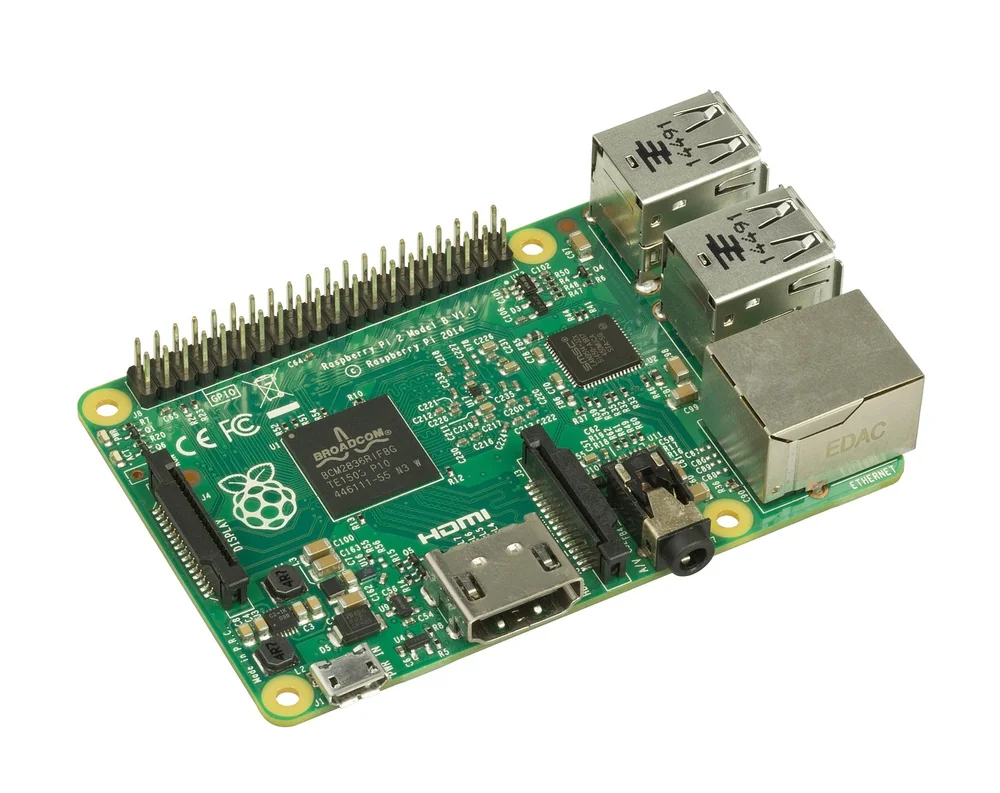
Timeline for DeepSeek’s Chip
Designing a competitive AI chip from scratch isn’t a quick project. It requires years of engineering, fabrication, and testing before it can even power a single model. For DeepSeek, this means the chip strategy is a long-term solution, not something that will solve its immediate budget concerns. As Liang told investors, China still trails the US in overall AI capability, and DeepSeek depends heavily on Nvidia chips right now. That dependency isn’t going away overnight.
Can DeepSeek Succeed Without Nvidia?
Building your own hardware is one path to independence, but it doesn’t mean cutting ties with Nvidia entirely. Many companies pursuing AI chip design still use Nvidia chips alongside their own for different workloads. The real goal here is to create viable Nvidia alternatives for specific tasks, reducing the risk that export controls could suddenly cut off supply. For DeepSeek, this strategy is about resilience. Even if the chip project succeeds, it won’t replace Nvidia overnight. But it could give the company more control over its own destiny — assuming it can secure enough funding to survive the long development cycle in the meantime.
IPO Plans, Valuation, and Ownership Structure
Despite the pause in fundraising, DeepSeek appears to be preparing for a public listing and may file for an IPO as soon as this year. That timeline would put the company on a fast track to the stock market, and the numbers involved are staggering. The first fundraising round valued DeepSeek at between $50 billion and $52 billion — a figure that puts it among the most valuable private AI companies in the world.
Much of that valuation is tied to the vision and leadership of founder Liang Wenfeng. His net worth is estimated at $36 billion, making him the wealthiest AI model creator in the world. That personal fortune is a direct reflection of how highly investors and analysts view DeepSeek’s potential, even as the company navigates the current funding pause.
Who Really Owns DeepSeek?
The exact ownership structure of DeepSeek under Zhejiang High-Flyer Asset Management remains unclear. What you can say for certain is that High-Flyer, a quantitative hedge fund, provided the initial backing that allowed DeepSeek to scale quickly. But how much equity Liang holds personally, and how much is controlled by the fund, is not publicly known. This lack of transparency is common among private Chinese AI firms, but it could become a point of scrutiny as the company moves toward an IPO.
Path to Public Listing
If DeepSeek does go public soon, you can expect the deepseek fundraising pause to be a hot topic among potential investors. The pause suggests the company is choosing to wait for the right market conditions rather than rushing to take on more capital. In the meantime, the massive valuation and the unique ownership structure under High-Flyer will likely keep analysts busy trying to project what DeepSeek is really worth — and who will benefit most when it finally lists.
Frequently Asked Questions
Why did DeepSeek halt its second fundraising round?
DeepSeek paused the round to reassess its funding strategy and focus on operational efficiency instead of rapid capital accumulation. This move aligns with the company’s broader effort to prioritize sustainable growth over aggressive expansion. The DeepSeek fundraising pause allows the team to refine its product roadmap without external pressure from investors.
How does DeepSeek compare to US AI rivals?
DeepSeek differentiates itself by emphasizing cost-effective AI models and a lightweight approach to development, unlike many US competitors that rely on massive capital injections. While it may not match the scale of larger rivals, DeepSeek focuses on practical, efficient solutions for specific use cases. This strategy helps it remain competitive without overextending its resources.
What is DeepSeek’s strategy for financial sustainability?
DeepSeek aims to achieve financial sustainability by streamlining operations and prioritizing revenue-generating products over speculative projects. The company is likely to seek strategic partnerships and incremental funding rounds rather than large, risky investments. This practical approach ensures it can maintain momentum while avoiding the pitfalls of overfunding.