Contrary to popular belief, point-and-shoot cameras are not obsolete—even in an era of world-class smartphone cameras. Today’s dedicated compact cameras are engineered for photo hobbyists and content creators who want more control, better optics, and features you simply can’t get from a smartphone.
With over 14 years of experience covering cameras at PCMag and having tested hundreds of models, the author has curated this guide to the top point-and-shoot cameras for 2026. These picks are based on extensive hands-on evaluation, focusing on image quality, portability, and features that matter most to enthusiasts. Whether you’re weighing a digital camera vs smartphone for your next purchase or looking for a dedicated hobbyist camera, this roundup will help you find the right compact camera for your needs.
What Is a Point-and-Shoot Camera? Defining the Category for 2026
To find the right compact camera for your needs, it helps to understand exactly what a point-and-shoot camera is. At its core, this category is defined by a fixed, non-interchangeable lens. That makes it a fixed lens camera, and it’s a design choice that prioritizes portability and simplicity. You won’t need to carry extra lenses or worry about changing them in the field—everything is integrated into one compact body.
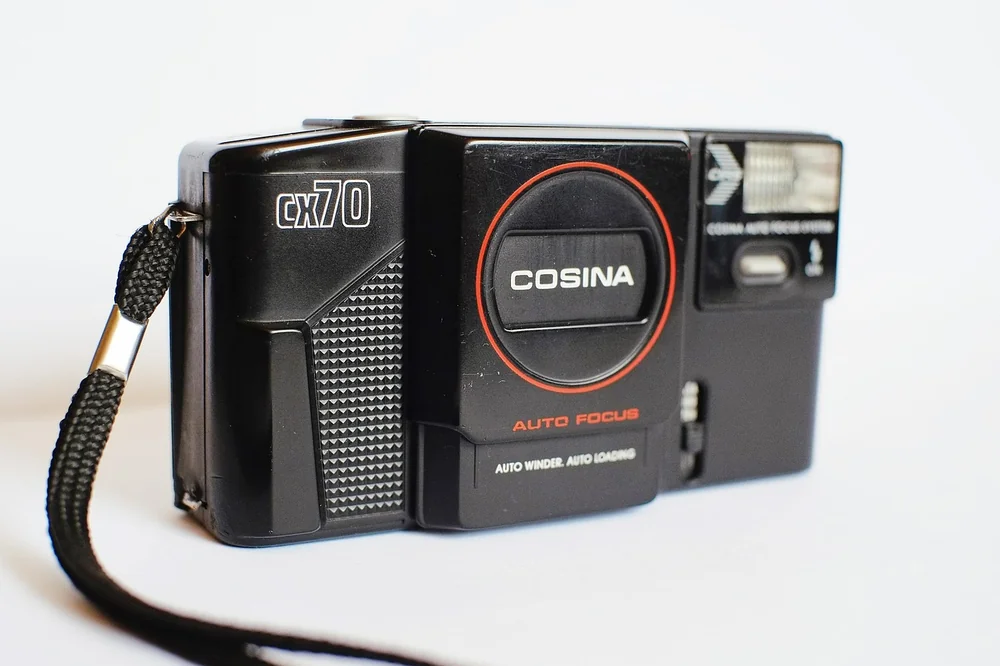
The compact camera definition for 2026 has evolved beyond basic automatic modes. While ease of use remains a hallmark, modern point-and-shoots often include larger sensors that capture more light, resulting in better image quality than you might expect from such a small device. Many also offer advanced controls like manual exposure and raw shooting, giving you creative flexibility without the bulk of a larger system.
Point-and-shoot cameras are designed for simplicity and portability. They are lightweight and straightforward—ideal for travel, everyday carry, or anyone who wants great photos without a steep learning curve. When you’re looking for the best point and shoot camera for 2026, you’re seeking a device that blends this ease of use with modern sensor technology and intuitive controls.
Fujifilm X100VI Review: The Best Premium Point-and-Shoot for Enthusiasts
That blend of ease and modern tech is exactly what the Fujifilm X100VI delivers, but it takes things to a whole new level. This camera has become a long-running favorite among photo enthusiasts for good reason. It is, quite simply, the best premium point-and-shoot the author has ever used. It combines a retro exterior that calls back to rangefinder cameras from the manual focus film era with genuinely impressive internal hardware. You get a stabilized 40MP sensor paired with a bright 35mm f/2 equivalent prime lens. That combination means sharp, detailed images in a wide range of lighting conditions, all from a camera that fits comfortably in your hand.
Design and Handling
The moment you pick up the X100VI, the design makes an impression. The retro digital camera styling is not just for looks; it directly influences how you shoot. Thoughtful control dials on the top plate let you set your exposure quickly without diving into menus. The eye-level viewfinder (EVF) is another standout feature, enabling seamless switching between optical and electronic views. You can compose shots in bright sunlight with ease. Around the back, a rear touch screen that tilts gives you flexibility for low-angle or overhead shots. Every control feels intentional and satisfying to use, appealing to both professionals and hobbyists who appreciate hands-on photography.
Image Quality and Performance
Under that classic shell, the 40MP sensor compact delivers serious image quality. The stabilized 40MP sensor means you can shoot handheld in lower light and still get crisp results. The fixed 35mm f/2 equivalent lens is versatile enough for street photography, portraits, and everyday scenes. Colors are rich and film-like straight out of the camera, a hallmark of the Fujifilm experience. For anyone looking for the best point and shoot camera that prioritizes image quality without sacrificing portability, this is a top contender.
Weather Sealing and Accessories
One practical consideration: the X100VI requires accessories for full weather protection. Out of the box, it is not fully sealed against dust and moisture. If you plan to shoot in rain or dusty environments, you will want to pick up an optional weather-sealing kit. This is a small trade-off for a premium compact camera that otherwise excels in nearly every way. With or without those extras, the Fujifilm X100VI remains a standout choice for anyone serious about their photography.
Camp Snap Pro: A Cheap and Cheerful Alternative for Casual Shooters
Of course, not every camera needs to cost a small fortune to bring joy. If the Fujifilm X100VI feels like overkill for your needs—or just too far out of budget—the Camp Snap Pro offers a completely different, but equally valid, approach. This is a camera that prioritizes fun over specs, and it does so without apology. The Camp Snap Pro is cheap and delightful, making it a refreshing option for anyone who simply wants to shoot without worrying about megapixels or aperture settings.
Design and Ease of Use
The Camp Snap Pro is built around simplicity. You won’t find detailed technical specifications for its sensor or lens, and honestly, that’s not the point. This budget compact camera is designed to be picked up and used immediately, with minimal menus and no steep learning curve. The body is lightweight and pocket-friendly, perfect for throwing into a bag for a day out. Controls are basic—point, shoot, and enjoy the results. It’s a back-to-basics approach that many casual photographers will appreciate, especially if they’ve been overwhelmed by more complex models in the past.
Who Should Buy the Camp Snap Pro?
If you’re looking for an affordable point-and-shoot that doesn’t take itself too seriously, this might be your ideal companion. The Camp Snap Pro is best suited for beginners, kids, or anyone who wants a secondary camera for spontaneous moments. It’s also a great travel camera when you don’t want to risk an expensive device. In a Camp Snap Pro review, you’d see that it excels at being unpretentious and reliable—exactly what a casual shooter needs. For those seeking the best point and shoot camera under a certain price threshold, this model proves that you don’t need to spend heavily to capture happy memories. The trade-off is obvious: you won’t get the advanced features or image quality of higher-end cameras. But if your goal is to have fun and keep things simple, the Camp Snap Pro delivers on that promise wholeheartedly.
Fujifilm X100VI vs Camp Snap Pro: How Do They Compare?
These two cameras occupy opposite ends of the price and performance spectrum—here’s how they stack up. You might be wondering how a premium model like the Fujifilm X100VI relates to a budget-friendly option like the Camp Snap Pro. The answer is simple: they serve completely different needs. If you’re shopping for the best point and shoot for your specific lifestyle, understanding these differences is key.
Image Quality and Features
The Fujifilm X100VI is described as the best premium point-and-shoot the author has ever used. It brings advanced stabilization, a high-resolution sensor, and a level of image quality that serious enthusiasts crave. You get manual controls, film simulations, and a build quality that feels substantial. On the other hand, the Camp Snap Pro is cheap and delightful. It strips away almost everything—no stabilization, no high-res sensor, no complex menus. You press the shutter and get a simple, fun photo. In this compact camera comparison, the X100VI is a tool for creating art; the Camp Snap Pro is a toy for capturing moments.
Price and Value
There is a massive gap in price between these two. The X100VI commands a premium that reflects its advanced engineering and desirability. The Camp Snap Pro costs a fraction of that, making it accessible to anyone. For the Fujifilm vs Camp Snap debate, value depends entirely on your priorities. Do you want professional-grade results? The X100VI justifies its cost. Do you want a no-fuss camera that won’t hurt your wallet? The Camp Snap Pro is the clear winner.
Target Audience
This is where the comparison becomes most useful. The X100VI targets serious enthusiasts who appreciate fine details, sharp optics, and creative control. The Camp Snap Pro is for casual users—kids, travelers, or anyone who wants a premium vs budget camera experience without the learning curve. You wouldn’t take the Camp Snap Pro to a professional shoot, just as you wouldn’t buy the X100VI for a beach day where it might get sandy. Pick the one that matches your actual needs, not the one that looks best on paper.
How to Choose a Point-and-Shoot Camera: Key Buying Considerations
Once you’ve identified the camera that fits your lifestyle, the real work begins: understanding the specs that separate a good compact from a great one. Knowing what to look for—from sensor size to connectivity—can simplify your decision and help you get the best point and shoot for your budget.
Sensor and Lens
Start with the sensor. A larger sensor typically captures more light, which means better image quality, especially in dim conditions. It also affects depth of field, so if you want that blurred background in portraits, a larger sensor helps. The lens is equally important. Look for a wide aperture (lower f-number) for low-light performance and consider the zoom range that suits your typical subjects—wide for landscapes, telephoto for wildlife or distant details. Sharpness across the frame is a key indicator of lens quality, but you’ll only confirm that through real-world use.
Stabilization and Viewfinder
Image stabilization reduces blur from shaky hands, especially at slower shutter speeds or longer zoom lengths. It’s a feature you’ll appreciate more the lower the light gets. An electronic viewfinder (EVF) can be a game-changer for composing shots in bright sunlight, where the rear screen washes out. Not all compacts have one, so decide if you’d rather save weight or have that viewfinder option.
Battery, Storage, and Connectivity
Battery life varies widely between models, but remember that features like using the rear screen and Wi-Fi drain power faster. Carry a spare if you shoot all day. For storage, check what memory card type a camera uses—SD cards are the standard, but some newer models may use different formats. Connectivity like Wi-Fi and Bluetooth makes it much easier to transfer photos to your phone or control the camera remotely. These features aren’t essential for every shooter, but they’re very convenient for sharing on the go.
Skill Level and Use Case
Your experience level and typical shooting scenarios should guide your final choice. A beginner might prioritize ease of use and automatic modes, while an enthusiast will want manual controls and raw file support. The author evaluates all aspects of a camera through a combination of studio and field testing, which means you get a practical sense of how each model performs in real conditions, not just on paper. This buying guide compact camera approach helps you understand camera specifications explained in a way that relates to actual use, making it easier to pick the compact camera features that matter most to you.
Why Choose a Point-and-Shoot Over a Smartphone in 2026?
It is a fair question. Today’s smartphones are world-class picture-making machines. They are always with you, always ready, and their computational photography can work magic in tricky light. So why would you choose a point-and-shoot camera over your smartphone in 2026? The answer comes down to a few real, tangible advantages that a dedicated camera still brings to the table.
Image Quality and Zoom
The most obvious benefit is the optical zoom advantage. A smartphone relies on digital zoom, which crops into the image and reduces quality. A point-and-shoot, on the other hand, uses a physical lens to magnify the scene. That means you can get close to a distant subject — a mountain peak, a performer on stage, a bird in a tree — without sacrificing detail. Paired with a larger sensor, which captures more light and information, the result is a cleaner, more flexible image that holds up better when you want to edit or print it. This is one of the core dedicated camera benefits that computational photography simply cannot replicate.
Shooting Experience and Controls
Beyond the image itself, the experience of taking the photo matters. Many point-and-shoot cameras made today are aimed at photo hobbyists and content creators. They offer physical dials, buttons, and often an electronic viewfinder. This lets you change settings like aperture, shutter speed, or exposure compensation without looking away from the scene. It is a more tactile, deliberate way to shoot. You are not swiping through a screen; you are turning a ring or pressing a button. For many, this process makes photography more intentional and, frankly, more fun. The camera vs smartphone debate often comes down to this: a phone is a tool for capturing a moment, while a dedicated camera can be a tool for creating an image. If you value that control and the joy of the craft, a point-and-shoot is still the better choice.
Frequently Asked Questions
How do you choose the right point-and-shoot camera for your needs?
Start by defining your primary use, such as travel, everyday carry, or vlogging. Look for a reliable sensor size for image quality, a lightweight body, and efficient autofocus. Always check that the lens offers a versatile zoom range or a fixed wide aperture for low-light performance. This step-by-step approach helps you find the best point and shoot for your lifestyle.
Is a dedicated point-and-shoot camera still worth it compared to a mirrorless camera?
Yes, if you prioritize portability and simplicity. A point-and-shoot camera is more compact and ready to shoot straight out of your pocket, while a mirrorless system typically requires interchangeable lenses and a larger bag. For casual shooting without changing gear, a practical compact camera offers a more efficient experience than a mirrorless setup.
What should I look for in a point-and-shoot camera for outdoor or travel use?
Prioritize a durable build with weather sealing if you plan to shoot in rain or dusty conditions. A reliable battery life and a lightweight design also matter for long days out. Check for a lens with image stabilization to keep your shots sharp when you’re on the move. These features ensure your compact camera performs reliably in various environments.