This launch marks the company’s third European hub, following expansions in Germany and Britain. The timing aligns with the European Commission‘s tech sovereignty package published on 3 June, which includes the Cloud and AI Development Act.
Why France Now? Navigating EU Sovereignty Rules
Alibaba Cloud’s timing with its new French data centres is no accident. You are likely aware that the European Union is tightening its grip on where public sector data lives and who can touch it. The recently introduced Cloud and AI Development Act establishes a four-tier cloud sovereignty framework for public authorities. This means that government agencies and public bodies now have clear classifications for cloud services, ranging from basic security to strict local control.

The strictest tiers in this EU classification demand EU ownership and operational independence. In plain terms, if a public institution needs to handle sensitive data, the cloud provider must be fully European-owned and run without external influence. This creates a significant hurdle for non-EU companies like Alibaba Cloud when chasing public sector cloud contracts in Europe. For now, the regulatory reaction or approval for Alibaba’s French data centres under these new sovereignty rules is not addressed, leaving some uncertainty for businesses considering the service.
For you, the practical takeaway is straightforward. If your company works with French public authorities or handles data that falls under these sovereignty rules, you need to check where your provider sits on that four-tier scale. Alibaba Cloud’s local infrastructure in France gives you a physical presence, but the ownership and operational independence requirements might still limit its use for the most sensitive public sector workloads. Keep an eye on how the EU applies these rules to foreign providers — it could reshape your cloud strategy. For now, the Alibaba Cloud France data centres offer a compliant option for commercial and less restricted use cases, but the sovereignty landscape is still evolving.
Competing with the Hyperscalers: Alibaba Cloud’s European Market Position
That regulatory landscape matters, but it’s only part of the picture. You might also be curious how Alibaba Cloud actually fits into the broader European cloud market. The short answer is: the region is dominated by the three US hyperscalers. Amazon Web Services, Microsoft Azure, and Google Cloud together account for roughly 70% of Europe’s cloud infrastructure revenue. On the flip side, all European cloud providers combined hold just 15% of that revenue. That leaves a significant gap — and a clear opportunity for a global player like Alibaba Cloud.

Alibaba Cloud doesn’t publish a specific Alibaba Cloud market share Europe number, but its growth trajectory suggests it’s gaining traction. The company’s Cloud Intelligence Group reported a 38% increase in revenue in Q1 2026, reaching 41.6 billion yuan. A notable driver: AI-related products contributed roughly 30% of Alibaba Cloud’s external cloud revenue. This focus on AI services gives it a different angle compared to the pure infrastructure play of some competitors.
When you weigh AWS vs Alibaba Cloud Europe, the scale is still very lopsided — AWS alone dwarfs Alibaba Cloud’s global revenue. But the French data centres give Alibaba a physical foothold that can attract businesses looking for an alternative to the US hyperscalers, especially for workloads that benefit from Alibaba’s extensive AI and machine learning tooling. It’s not about displacing AWS overnight; it’s about offering a viable second or third option for European cloud infrastructure revenue that is growing at a faster clip than the overall market. For you, this means more competition in pricing and service innovation, which is always good news.
AI and Sports: Alibaba’s European Service Roadmap
Building on this momentum, Alibaba Cloud is laying out a clear European service roadmap that goes beyond just infrastructure. In the second half of 2026, the company plans to roll out agentic AI services across Europe. If you are curious about what that means, ‘agentic’ refers to AI systems that can autonomously perform tasks and make decisions on your behalf, rather than just generating text or answering questions. This launch signals Alibaba’s ambition to position itself as a serious player in European AI. However, specific details on which countries will get early access, pricing, or the exact capabilities remain under wraps. Good news if you are shopping for future-ready cloud tools, but be prepared to stay tuned for updates.
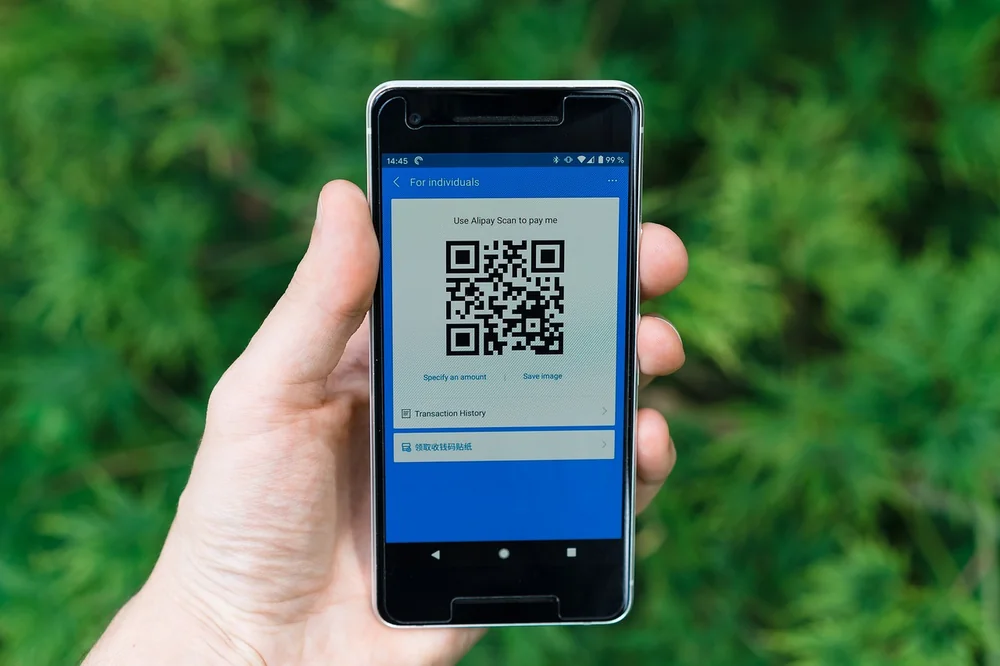
Alongside this AI push is a high-profile sports dimension. Alibaba Cloud signed a six-year UEFA cloud partnership covering the Champions League and Euro 2028. This means cloud technology will likely power real-time analytics, broadcast improvements, and fan engagement for two of the biggest football stages in the world. For you, that translates into richer live experiences and faster stats, whether you are watching from home or at the stadium. What is not yet clear is whether this UEFA deal will actually run through the new France data centres. Logically, it would make sense, but Alibaba has not confirmed that link. Either way, sports technology is becoming a flagship showcase for Alibaba Cloud’s reliability at European scale.
Investment and Differentiation: What Sets Alibaba Cloud Apart?
Beyond the sports arena, a much bigger question hangs over this expansion: how does Alibaba Cloud plan to compete with the established giants? The company has made a massive financial commitment to back its ambitions. Alibaba has committed at least 380 billion yuan ($53 billion) to AI and cloud infrastructure over three years. That is a clear signal that it is serious about being a major player in the global cloud market.
However, the total investment allocated specifically for European cloud infrastructure is not stated. This leaves some uncertainty about how aggressively it will build out its presence in the region compared to the US providers. You might be wondering what this means for your business. What distinguishes Alibaba Cloud’s offerings from the dominant US providers in the European context is not mentioned. This makes it hard to evaluate its value proposition against AWS, Azure, and Google Cloud at this stage.
For now, the biggest differentiator may be the sovereign cloud alternatives angle. As European regulations tighten around data residency, having a local provider with in-region data centres becomes a practical advantage. Alibaba Cloud’s focus on Alibaba AI infrastructure could also appeal to companies already using its e-commerce or logistics tools. But without a clear breakdown of the Alibaba cloud investment Europe details, the full competitive picture remains blurry. It is a wait-and-see situation for many potential customers.
Frequently Asked Questions
How will the EU Cloud and AI Development Act’s four-tier sovereignty framework affect Alibaba Cloud’s ability to win public-sector contracts in Europe?
The framework ranks cloud providers by compliance with data residency, security, and operational control. Alibaba Cloud is actively working to meet the highest tiers to qualify for sensitive public-sector workloads. The new France data centres are a key step in aligning with these local sovereignty rules.
How does Alibaba Cloud’s market share in Europe compare to AWS, Azure, and Google Cloud?
Alibaba Cloud’s European market share is smaller than the three major hyperscalers, but it is growing steadily. It focuses on specific verticals like e-commerce, gaming, and fintech where it offers strong integration. The Alibaba Cloud France data centres help it compete more effectively by providing low-latency services and local compliance.
Will the UEFA deal for Champions League and Euro 2028 rely on the new Paris data centres?
The UEFA deal is a separate agreement for cloud infrastructure support, not necessarily tied to the new Paris data centres. Alibaba Cloud may use multiple data centre locations across Europe to meet the event’s requirements. The France data centres could contribute lower latency and data residency options, but they are not a mandatory part of the deal.