
Food waste is one of the most pressing environmental and economic challenges of the modern era. According to data from the Environmental Protection Agency (EPA) and the United Nations, nearly 30% to 40% of the food supply in the United States ends up in landfills. When organic matter decomposes in oxygen-deprived landfills, it generates massive volumes of methane—a greenhouse gas with a warming potential more than 28 times greater than carbon dioxide over a 100-year timescale.
In response to municipal composting mandates and rising consumer eco-consciousness, a new category of smart home appliances has emerged: smart electric countertop food waste recyclers and kitchen composters. Led by innovations like the Lomi Bloom, Mill Food Recycler, and Vitamix Eco 5, these sleek kitchen appliances promise to transform pungent food scraps into clean, odor-free, nutrient-rich soil amendments overnight. But how do these machines actually work, and are they worth the investment? Here is a technical teardown and comparative buyer’s guide.
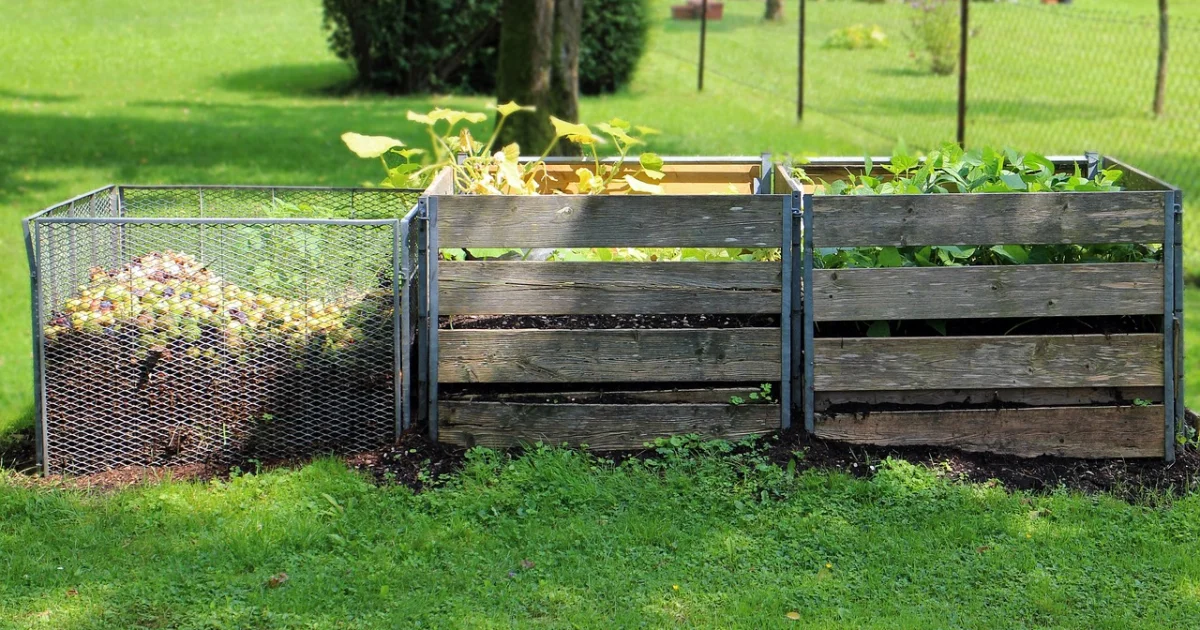
The Science: Thermal Dehydration vs. True Biological Composting
Before investing in a countertop composter, it is essential to understand the engineering distinction between what these machines do versus traditional backyard composting:
| Process Characteristic | Smart Electric Food Recycler (Countertop) | Traditional Outdoor Aerobic Compost Pile | Bokashi Anaerobic Fermentation |
|---|---|---|---|
| Processing Mechanism | Controlled thermal drying + High-torque mechanical grinding | Mesophilic & thermophilic microbial decomposition | Lactic acid bacterial fermentation |
| Processing Time | 4 to 12 hours (Overnight) | 3 to 9 months | 2 to 4 weeks |
| Volume Reduction | 80% to 90% volume reduction | 50% to 70% volume reduction | Minimal (Pickled state) |
| Odor Management | Dual activated carbon pellet filters | Requires precise carbon/nitrogen balance | Sour pickled scent |
| Output Application | Dry biomass amendment (Mix 1:10 with soil) | Fully finished living humus compost | Must be buried in outdoor soil |
Top 3 Smart Kitchen Food Recyclers Compared
| Appliance Model | Lomi Bloom | Mill Food Recycler | Vitamix Eco 5 (FoodCycler) |
|---|---|---|---|
| Form Factor | Countertop appliance | Freestanding floor bin (Trash can size) | Compact countertop |
| Capacity | 3 Liters | 11 Liters (Holds weeks of food scraps) | 5 Liters |
| Average Cycle Time | 4 to 8 hours | Runs automatically overnight | 4 to 9 hours |
| Energy Per Cycle | ~0.6 to 1.0 kWh (~$0.12 – $0.16) | ~1.0 kWh / day | ~0.8 kWh |
| Smart Connectivity | Wi-Fi + Mobile App (Impact tracking) | Wi-Fi + Companion App + Auto-pickup | None (Simple button interface) |
Key Hardware Innovations That Make Electric Recyclers Work
1. High-Torque Multi-Directional Grinding Implements
Food scraps contain tough fibrous materials: corn cobs, chicken bones, eggshells, and kale stems. Premium units utilize cast-aluminum internal buckets paired with heavy-duty metal grinding blades. These blades reverse direction dynamically when resistance spikes, pulverizing tough scraps into fine particles while simultaneously scraping the bucket walls to prevent caramelization and scorching.
2. Dual Carbon Filtration and Negative Pressure Ventilation
The primary objection to indoor food scrap collection is smell and fruit flies. Smart composters solve this with dual activated carbon canisters paired with sealed silicone lid gaskets. During the heating cycle, small internal exhaust fans pull steam through hundreds of grams of microporous carbon pellets, neutralizing odors before venting warm air into the room.
3. Moisture Sensors and Dynamic Thermal Cycles
Older dehydrators ran on static countdown timers, often running long after food was bone dry. Modern machines like Lomi Bloom incorporate internal humidity sensors. When the system detects that moisture content has dropped below 10%, it automatically terminates the heating phase and enters a brief cooling cycle, conserving electricity.
What You Can and Cannot Process
- Safe to Process: Fruit peels, vegetable trimmings, coffee grounds, eggshells, cooked meat scraps, small soft bones, cheese, and bread.
- Items to Avoid: Large hard beef/pork bones, cooking oil and grease in volume (creates sticky sludge), walnut shells, and non-certified plastics.
The Environmental and Economic Verdict
While an electric countertop composter requires upfront capital ($300 to $600) and modest electrical draw, its convenience transforms household waste management. It eliminates smelly kitchen trash bins, stops leachate in municipal garbage trucks, and produces sterile organic biomass that can enrich potted houseplants or garden beds. For urban and suburban households without space for traditional outdoor compost piles, smart food recyclers represent the most practical, hygienic bridge to zero-waste living.