The Alarming Rise of Cryptocurrency Kiosk Fraud
Imagine this: your phone rings. The caller ID shows a government agency. The voice on the other end sounds official and urgent. You are told your bank accounts are compromised, or you missed jury duty, or a family member is in legal trouble. The only way to fix it, they say, is to withdraw cash immediately and deposit it into a specific machine at a nearby gas station. This scenario is not a plot from a thriller movie. It is a real and growing threat. The Federal Bureau of Investigation (FBI) recently reported that Americans lost more than $388 million last year to these exact schemes, which involve physical cryptocurrency kiosks. These devices, often called Bitcoin ATMs, have become a primary tool for criminals to steal money from everyday people.
The FBI’s Internet Crime Complaint Center (IC3) received over 13,400 complaints about crypto atm scams in 2025. This represents a 23% increase in reports and a staggering 58% jump in total losses compared to the previous year. The numbers tell a clear story: these scams are not just increasing; they are becoming far more profitable for the criminals running them.
What Exactly Is a Cryptocurrency Kiosk?
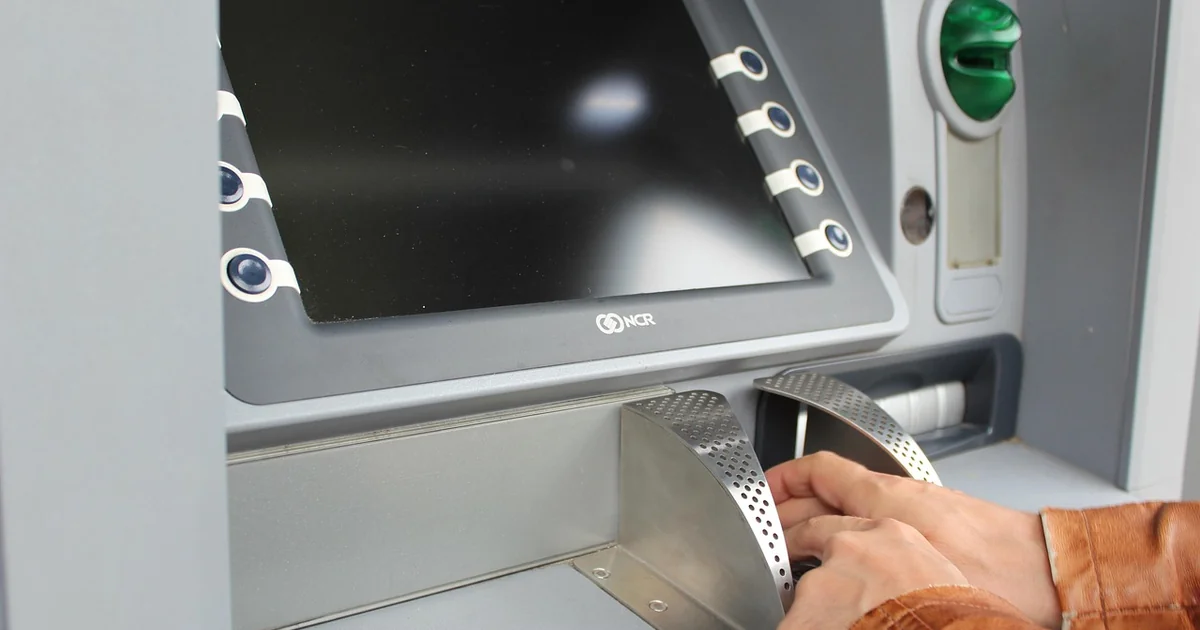
To understand the danger, you first need to know what these machines are. A cryptocurrency kiosk looks very similar to a standard bank ATM. It is a standalone electronic terminal, often placed in high-traffic, public locations. You will find them inside convenience stores, at gas stations, in laundromats, and even in some shopping malls. Their primary function is simple: they allow a person to buy or sell digital currencies like Bitcoin using cash or a debit card.
The key difference between a regular ATM and a crypto kiosk is what happens to your money. When you deposit cash into a bank ATM, the funds go into your bank account. When you deposit cash into a crypto kiosk, the machine converts that cash into cryptocurrency and sends it to a digital wallet address. The transaction is often irreversible. This speed and finality are exactly what scammers exploit.
How Scammers Use These Machines
Cybercriminals do not break into these machines. Instead, they manipulate people into using them. The process is disturbingly methodical. A scammer will contact a victim—often through a phone call, a pop-up message on a computer, or a fake email. They create a sense of panic or urgency. They claim to be from the Social Security Administration, the IRS, a tech support company, or even a utility provider.
The criminal then gives step-by-step instructions. They tell the victim to go to their bank, withdraw a large sum of cash. They then direct them to a specific crypto kiosk. Once the victim is standing in front of the machine, the scammer walks them through the entire process: how to insert the cash, how to scan a QR code (which the scammer provides), and how to confirm the transaction. Within minutes, the cash is converted to cryptocurrency and sent to a wallet controlled entirely by the attacker. The victim is left with a receipt and a sinking feeling that something is very wrong.
Who Is Most at Risk from These Scams?
While anyone can be targeted, the data reveals a clear pattern. The FBI report notes that more than half of all complaints involved individuals over the age of 50. This age group reported losses exceeding $302 million. There are several reasons for this vulnerability. Older adults are often more trusting of authority figures, especially those who claim to be from government agencies. They may also be less familiar with how cryptocurrency works, making the scammer’s detailed instructions seem helpful rather than suspicious.
Geographically, the problem is concentrated in a few large states. Residents of Texas, Florida, and California filed over 3,300 complaints and reported combined losses of more than $112 million. These states have large populations and a high density of crypto kiosks in public places, which creates more opportunities for fraud.
A Hypothetical Scenario: The Urgent Phone Call
Consider a retired schoolteacher named Margaret. She lives alone and manages her own finances. One Tuesday afternoon, her phone rings. A man with a calm, professional voice says he is from the “Federal Asset Protection Unit.” He tells Margaret that her checking account has been linked to a drug trafficking investigation. To protect her money, he says, she must move it to a “secure government blockchain wallet.” He instructs her to withdraw $15,000 in cash. He then directs her to a specific convenience store two blocks from her home. He stays on the phone with her for 45 minutes, guiding her through each step at the kiosk. By the time she hangs up, her life savings are gone. This is not an exaggeration. This is how these scams operate every single day.
Why Are Crypto Kiosks a Perfect Tool for Fraud?
Several features of these machines make them ideal for criminal activity. First, they are physical and accessible. Scammers do not need to hack a bank. They just need to convince a person to walk to a machine. Second, the transaction speed is almost instantaneous. Once the cash is deposited and converted, the scammer can move the funds to multiple other wallets in seconds, making recovery nearly impossible for law enforcement.
Third, the level of identity verification varies wildly from machine to machine. Some kiosks require you to scan a government ID and provide a phone number. Others allow transactions with almost no verification at all. This lack of consistency creates a regulatory gray area that scammers exploit. The machines themselves are often owned by private companies that profit from each transaction, giving them little financial incentive to aggressively stop suspicious activity.
State-Level Responses to the Crisis
The growing problem has caught the attention of state lawmakers. In a significant move, Minnesota recently passed a law banning cryptocurrency kiosks statewide. This decision follows similar actions by Indiana in March and Tennessee in April. These states are essentially saying that the risks to consumers currently outweigh the benefits of having these machines available. Other states are watching closely and considering their own regulations, which could include stricter licensing requirements, mandatory fraud warnings on screens, and daily transaction limits.
How to Identify a Crypto ATM Scam
Recognizing the warning signs is your best defense. Scammers rely on creating a specific emotional state: fear, urgency, and isolation. Here are the red flags that should make you stop and think.
The Government Payment Demand
No legitimate government agency—not the IRS, not the FBI, not the local sheriff’s office—will ever demand payment in cryptocurrency. If someone calls you and says you must pay a fine, a tax bill, or a bond using a Bitcoin ATM, it is 100% a scam. Hang up immediately. Government agencies send official letters through the postal service. They do not demand instant payment through a machine at a gas station.
The QR Code from a Stranger
Scammers will often send you a QR code via text message or email. They instruct you to scan this code at the kiosk to complete the transaction. A QR code is simply a link to a digital wallet address. If you scan a code from someone you have never met in person, you are sending your money directly to them. Never scan a QR code provided by someone who contacted you unsolicited.
The “Stay on the Line” Instruction
Criminals keep you on the phone to prevent you from thinking clearly or asking for help. They tell you not to talk to the store clerk or the gas station attendant. They claim the transaction is “secret” or “classified.” This isolation is a major red flag. If a person on the phone tells you not to speak to anyone around you, you are almost certainly being scammed.
What to Do If You Have Already Deposited Cash
If you realize you have fallen victim to a crypto atm scam, time is critical. The first step is to contact the kiosk operator immediately. Many machines are owned by companies like CoinFlip, Bitcoin Depot, or Coinhub. Their contact information is usually displayed on the machine or on the receipt. Report the fraudulent transaction to them. Some operators have the ability to freeze a transaction if it is caught quickly enough, though this is not guaranteed.
The second step is to file a report with the FBI’s IC3 at ic3.gov. Provide every detail you can remember: the date, time, location of the kiosk, the amount of money, the phone number the scammer used, and any wallet addresses or QR codes you were given. This information helps law enforcement track patterns and potentially recover funds.
You may also enjoy reading: 7 Secret Foreo Discount Codes: Up to 50% Off.
Finally, contact your bank. Even though the transaction happened at a kiosk, your bank needs to know that your accounts were compromised. They can help you secure your remaining funds and monitor for further suspicious activity. You should also change your online banking passwords and enable two-factor authentication.
Why Keeping Your Receipt Matters
The FBI specifically recommends always keeping receipts for cryptocurrency transactions. This small piece of paper contains critical data: the transaction ID, the time stamp, the machine ID, and the amount. Without this receipt, law enforcement has very little to work with. Think of it as the only breadcrumb you have in a digital forest. Store it in a safe place just as you would a bank statement.
Protective Measures Everyone Should Take
Prevention is far easier than recovery. The FBI has published a clear list of protective measures. Following these guidelines can save you from financial devastation.
Never Send Money to Someone You Only Know Online
This is the golden rule of modern fraud. Whether you met them on a dating app, a social media platform, or a message board, if you have never met them face-to-face, do not send them money. This includes cryptocurrency, gift cards, wire transfers, and cash deposits. Romance scams and investment scams frequently use crypto kiosks as the final step. A person who asks you to deposit cash into a Bitcoin machine for them is not your friend. They are a thief.
Always Verify Phone Calls Directly
If you receive a call from someone claiming to be from your bank, a government agency, or a tech company, do not trust the caller ID. Scammers can spoof phone numbers to make them look legitimate. Hang up. Then, find the official phone number for the organization yourself—usually on the back of your bank card or on a government website—and call them back. Do not use any phone number the caller gives you. This simple step of verification can stop a scam in its tracks.
Be Wary of Kiosk Operator Warnings
Some crypto kiosks now have built-in fraud detection. If you are at a machine and a warning message appears on the screen, or if a customer service representative calls you while you are at the kiosk to ask if you are being scammed, stop what you are doing. These warnings are there for a reason. The machine’s operator is trying to protect you. Listen to them. Cancel the transaction if you can. Walk away.
The Bigger Picture: A $21 Billion Problem
The $388 million lost to crypto atm scams is just one piece of a much larger puzzle. The FBI’s 2025 Internet Crime Report revealed that the IC3 received over 1 million complaints last year, linked to almost $21 billion in losses from all forms of cyber-enabled crime. This includes investment scams, romance fraud, tech support schemes, and business email compromise. The crypto kiosk scam is a specific tactic within this broader ecosystem of digital theft.
What makes these kiosk scams particularly insidious is their physical nature. A person must leave their home, go to a bank, withdraw cash, and then deposit that cash into a machine. The scam involves a real-world journey. This physical component can make the fraud feel more legitimate to the victim. They are handling real cash. They are standing in a real store. The machine looks official. It is a clever and cruel form of psychological manipulation.
Why These Scams Are Surging
The nearly 60% increase in reported losses is not an accident. Several factors are driving this surge. First, the number of crypto kiosks in the United States has grown rapidly over the past few years. There are now tens of thousands of these machines across the country. More machines mean more opportunities for crime. Second, scammers have refined their tactics. They have moved beyond generic phishing emails to highly personalized phone calls that use specific information about the victim, often gathered from data breaches. Third, the general public’s understanding of cryptocurrency remains low. Many people still do not understand that a crypto transaction is like handing cash to a stranger in a dark alley—there is no way to get it back.
What Law Enforcement and Regulators Are Doing
The response from authorities is evolving. The FBI is actively tracking these complaints and working with kiosk operators to identify patterns. State-level bans, like the one in Minnesota, represent a drastic but direct approach. Other states are considering regulations that would require kiosks to display prominent fraud warnings, limit daily transaction amounts to a few thousand dollars, and mandate real-time identity verification for every transaction.
At the federal level, there is growing pressure on the Financial Crimes Enforcement Network (FinCEN) to classify crypto kiosk operators as money services businesses with the same anti-money laundering obligations as traditional banks. If this happens, operators would be required to report suspicious transactions more aggressively and maintain stricter records. Such regulation could make it much harder for scammers to use these machines anonymously.