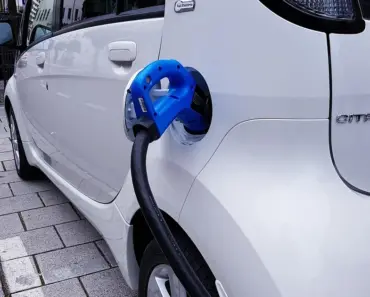
For millions of Americans living in apartments and condos, the dream of owning an electric vehicle often clashes with the reality of where to plug it in. Homeowners with garages can simply install a Level 2 charger and wake up to a full battery every morning. Renters, however, face a frustrating puzzle: unreliable public chargers, limited street parking, and landlords who see no reason to invest in costly infrastructure. This gap has long been one of the most stubborn barriers to widespread EV adoption. ChargePoint, one of the largest charging networks in the country, is now teaming up with OBE Power to tackle this exact problem with a specific plan that could change how apartment dwellers access home charging.

The Missing Piece in America’s EV Charging Puzzle
Apartment and condo residents represent a massive untapped segment of the potential EV market. According to the U.S. Department of Energy, roughly 80% of all electric vehicle charging happens at home. For single-family homeowners, that statistic is a convenience. For renters, it is a cruel irony—they are the ones who most need home charging but have the least access to it. Without a dedicated parking spot with an outlet, apartment dwellers are forced to rely on public fast chargers, workplace charging, or the kindness of friends with garages. This creates what experts call the renter penalty: paying more per kilowatt-hour at public stations while enjoying none of the convenience of overnight charging.
The partnership between ChargePoint and OBE Power aims to close this gap. The companies announced plans to deploy approximately 2,500 charging ports across multifamily housing properties, with installations beginning in 2026. This is not a small pilot program—it is a coordinated rollout targeting the specific needs of apartment communities, condominiums, and other multi-unit dwellings.
How the ChargePoint-OBE Power Partnership Works
Understanding the mechanics of this partnership is key to seeing why it matters for renters. OBE Power operates what is called a Charging-as-a-Service (CaaS) model. This means OBE Power takes on nearly all the financial and operational risk of installing and running the charging stations. Under this agreement, OBE Power will use ChargePoint’s hardware, software, and network services as its exclusive technology platform for the multifamily sector.
The arrangement is structured so that landlords pay nothing upfront for the charging infrastructure. OBE Power handles installation, ongoing maintenance, repairs, insurance, driver support, and even energy cost reimbursement. For property owners, this is a turnkey solution: they get a desirable amenity without writing a check or managing a contractor. For ChargePoint, it means getting its chargers into places where they would otherwise be difficult to sell—apartment buildings with complicated ownership structures and limited electrical capacity.
A Deeper Look at the Owned-and-Operated Model
The owned-and-operated model is the linchpin of this partnership. Instead of selling charging stations to landlords and hoping they maintain them, OBE Power retains ownership of the equipment. This shifts the burden of reliability away from property managers. If a charger breaks, OBE Power fixes it. If software needs updating, OBE Power handles it. If a resident has a billing dispute, OBE Power resolves it. This is a stark contrast to the older approach where a landlord might install a single Level 2 charger, only to have it fall into disrepair because nobody was responsible for its upkeep.
For condo boards, this model removes a common headache: deciding how to split costs among unit owners. With the owned-and-operated approach, there is no special assessment or shared maintenance fee. The charging provider recoups its investment through usage fees paid by drivers, similar to how a gym membership works. This makes the financial decision much simpler for boards that may lack expertise in electrical engineering or long-term infrastructure planning.
Why 2026? The Realities of Large-Scale Deployment
One of the first questions people ask when hearing about this partnership is why the rollout does not start until 2026. The need feels urgent, and many renters are frustrated by the current lack of options. The answer lies in the complex logistics of retrofitting apartment buildings for EV charging. Each property requires a site assessment to determine electrical panel capacity, trenching requirements for conduit, and coordination with the local utility company. Permitting alone can take months in some cities.
Additionally, the companies must align their development pipelines with property owners who are ready to commit. Many apartment buildings have parking structures that were never designed to carry the electrical load of dozens of Level 2 chargers. Upgrading transformers, running new wiring, and installing load management systems are not overnight projects. The 2026 timeline reflects a realistic schedule for completing these engineering studies, securing permits, and manufacturing the chargers themselves. ChargePoint CEO Rick Wilmer noted that the partnership builds on an existing relationship in hotels and hospitality, but apartment communities present unique challenges that require careful planning.
What Happens Between Now and 2026?
For renters who are considering buying an EV today, the wait until 2026 can feel discouraging. However, there are steps you can take in the meantime. Start by talking to your property manager about their interest in the program. The more demand landlords hear from tenants, the more likely they are to reach out to companies like OBE Power. You can also check with your local utility company—many offer rebates or technical assistance for multifamily charging installations that do not require waiting for a national partnership.
If you already own an EV and rely on public charging, consider mapping out the most reliable Level 2 stations near your home. Some apartment complexes allow tenants to use a standard 120-volt outlet in a garage or carport, even if it charges slowly. Every little bit helps reduce dependence on expensive fast chargers. And if you are in the market for a new apartment, start asking about EV charging availability before you sign a lease. As this amenity becomes more common, landlords who ignore it may find themselves losing tenants to buildings that offer it.
What This Means for Landlords and Property Managers
For property owners, the ChargePoint-OBE Power partnership removes the two biggest barriers to installing EV charging: upfront cost and ongoing maintenance. Under the owned-and-operated model, landlords do not have to invest a single dollar in hardware or installation. They also do not have to worry about fixing broken chargers, handling customer complaints, or managing electricity bills. OBE Power takes care of all of that.
This is a significant shift from earlier approaches where landlords were expected to buy chargers themselves, often at a cost of several thousand dollars per unit, plus installation fees that could run into the tens of thousands for a parking garage. The old model required property managers to become experts in electrical infrastructure, which most were not. The new model treats charging like a utility: you pay for what you use, and the provider handles the rest.
From a marketing perspective, EV charging is becoming a must-have amenity, especially for newer developments aimed at younger, environmentally conscious renters. A 2023 survey by the National Multifamily Housing Council found that a growing percentage of renters consider EV charging important when choosing a place to live. By offering this amenity without any capital outlay, landlords can increase their property’s appeal without taking on financial risk.
Addressing Common Landlord Concerns
Some property managers worry that installing EV charging will increase their electricity bills. With the owned-and-operated model, that concern disappears. OBE Power handles energy cost reimbursement, meaning the landlord is not on the hook for the electricity used by residents to charge their cars. The charging provider pays for the power and recoups it through usage fees.
Another common worry is that charging stations will take up parking spaces that could be used by non-EV owners. In practice, most installations are designed to be space-efficient, with chargers mounted on walls or pedestals that do not eliminate parking spots. Some properties even designate a small number of spaces for EV charging, similar to how they might reserve spots for car-sharing services or compact cars. Over time, as EV adoption grows, those spaces will become more valuable, not less.
How Tenants Will Use and Pay for Charging
One of the most practical questions for apartment residents is how they will actually pay for the electricity they use. Under the ChargePoint- OBE Power model, drivers will likely use the ChargePoint mobile app to initiate charging sessions and pay per kilowatt-hour. The app provides real-time information on charger availability, session history, and cost. This is similar to how public charging works today, but with the crucial difference that the charger is located in your own building’s parking area.
Pricing will vary depending on local electricity rates and the specific agreement between OBE Power and the property owner. However, because the chargers are Level 2 units (not expensive DC fast chargers), the cost per kilowatt-hour is typically lower than what you would pay at a public fast-charging station. Overnight charging at a Level 2 rate can be significantly cheaper than filling up at a gas station, especially when compared to the per-mile cost of gasoline at current prices.
Billing is handled entirely through the app, so there is no need for the landlord to collect money or track usage. This eliminates the awkwardness of residents asking property managers to split electricity bills. The system is automated, transparent, and designed to be hassle-free for everyone involved.
You may also enjoy reading: Microsoft MDASH AI Finds 16 Windows Flaws Fixed in Patch Tuesday.
What If You Do Not Own an EV Yet?
If you do not currently drive an electric vehicle, you might wonder why you should care about charging stations in your apartment building. The answer is simple: future-proofing. As more automakers release affordable EVs and as gasoline prices fluctuate, the odds are good that your next car will have a plug. Having charging infrastructure already in place makes the transition easier. It also adds value to the building, which can benefit you indirectly through higher property values or more competitive rental rates.
Some property owners may even use the presence of EV charging as a selling point to attract tenants who are early adopters. If your building does not have charging today, it might in a few years. The ChargePoint-OBE Power partnership is one of several initiatives that will gradually make home charging available to more renters, even those who live in older buildings without dedicated garages.
The Bigger Picture: Closing the Equity Gap in EV Adoption
Access to home charging is not just a convenience issue—it is an equity issue. Renters are more likely to live in multifamily housing, and multifamily housing is disproportionately located in urban areas where parking is scarce. Without home charging, these residents face higher costs and greater inconvenience when owning an EV. This creates a situation where the benefits of electric transportation—lower fuel costs, reduced emissions, quieter streets—are more accessible to homeowners than to renters.
The ChargePoint-OBE Power partnership does not solve this problem overnight, but it represents a significant step in the right direction. By removing the financial barriers for landlords and shifting operational risk to a specialized provider, the model makes it feasible to install charging in places where it was previously uneconomical. The 2,500 ports planned for 2026 may sound modest compared to the millions of apartments in the U.S., but if the model proves successful, it could scale quickly.
Other companies are likely watching this partnership closely. If ChargePoint and OBE Power demonstrate that the owned-and-operated model works for multifamily housing, similar deals could follow with other charging networks and property management firms. The long-term goal is to make home charging as standard in apartment buildings as laundry facilities or package lockers are today.
Frequently Asked Questions About EV Charging in Apartments
How do I know if my apartment building will be selected for this partnership?
Selection depends on several factors, including the building’s electrical capacity, parking layout, and the property owner’s willingness to participate. The partnership is not a public lottery—it is a business-to-business arrangement where OBE Power works directly with property owners. If you are a tenant, the best way to influence the decision is to express interest to your landlord or property manager. The more demand they see, the more likely they are to reach out to providers like OBE Power.
What if I move to a new apartment before the charging station is installed?
If you move before installation begins, you will not be able to use the chargers at your old building. However, the same provider may be working with property owners in your new area. The partnership is national in scope, so the chargers could appear in multiple cities over time. When searching for a new apartment, ask about EV charging availability as part of your decision process. Some buildings may already have charging, even if it is not part of this specific partnership.
Why does the partnership only start in 2026 if the need is urgent now?
As discussed earlier, the timeline reflects the practical realities of engineering, permitting, and manufacturing. Installing charging at scale in existing buildings is not a quick process. The companies are aligning their development pipelines now so that installations can begin efficiently in 2026. In the meantime, other options exist, such as workplace charging, public Level 2 stations, and portable Level 1 chargers that plug into standard outlets.
How will the cost of charging be billed to me as a tenant?
Billing will be handled through the ChargePoint mobile app. You will create an account, link a payment method, and pay per kilowatt-hour for the electricity you use. There is no monthly membership fee or minimum usage requirement. The app will show you the price before you start charging, so there are no surprises. This is the same system used at thousands of public ChargePoint stations across the country.
What if I do not own an EV but still want charging available for future use?
Even if you do not drive an EV today, having charging infrastructure in your building is a long-term benefit. It increases the property’s value, makes it more attractive to future tenants, and prepares the building for the inevitable shift toward electric transportation. If you are on a condo board or homeowners association, supporting the installation of EV charging is a forward-looking decision that will pay off as EV adoption grows.
A Turnkey Solution for a Stubborn Problem
The ChargePoint-OBE Power partnership is not a silver bullet, but it is a practical, well-structured response to a problem that has stymied the industry for years. By combining ChargePoint’s reliable hardware and software with OBE Power’s risk-bearing business model, the two companies have created a pathway for apartment residents to finally get the home charging they deserve. The 2,500 ports planned for 2026 may be just the beginning. If the model works, it could become the template for how multifamily housing integrates EV charging across the country.
For renters, the message is hopeful: the gap is closing, even if it takes a few years. For landlords, the message is clear: you can offer this amenity without spending a dime. And for anyone who cares about the future of electric transportation, this partnership is a sign that the industry is finally taking apartment dwellers seriously.