Commencement season is supposed to be a time of celebration, hope, and a bit of well-meaning advice for the next generation. But this year, a few speakers learned a tough lesson: bringing up artificial intelligence can get you booed off the stage. The reactions have been swift and loud, revealing a deep generational divide that speakers should take seriously. This article explores why the commencement speech ai backlash is happening and how future speakers can avoid a similar fate.
Why Students Are Booing the AI Narrative
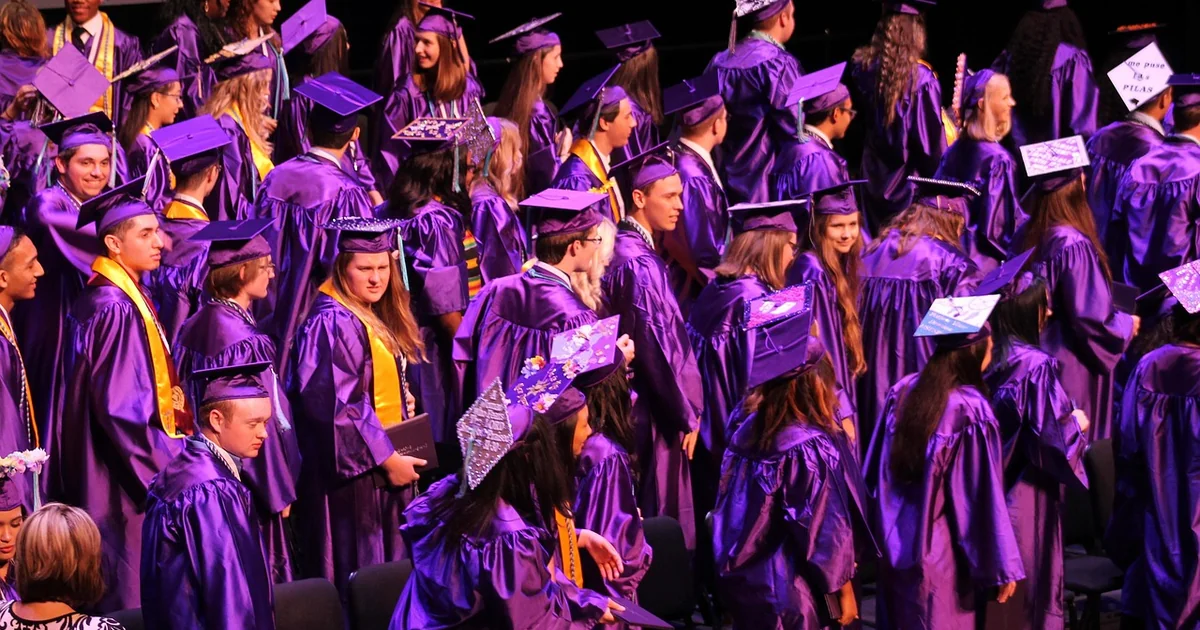
The sight of a graduating class turning on a commencement speaker is rare. Yet, it happened twice in the span of a week. At the University of Central Florida, Gloria Caulfield, an executive from a real estate firm, mentioned that AI is the next industrial revolution. The audience responded with loud boos. She tried to laugh it off, but the message was clear: the students were not buying the optimistic corporate script.
Just days later, former Google CEO Eric Schmidt faced a similar response at the University of Arizona. Even before he mentioned AI, some students were already unhappy. When he told the crowd they would help shape artificial intelligence, the booing grew louder. Schmidt tried to power through, telling students to get on the “rocket ship” without asking which seat. The crowd was not impressed.
So, what is driving this hostility? It is not just about AI itself. It is about who is delivering the message and what that message implies. For many graduates, hearing a wealthy tech executive celebrate AI feels like a tone-deaf celebration of a force that threatens their livelihoods. The commencement speech ai backlash reflects a broader distrust of the tech industry and its promises.
The Numbers Tell a Story of Pessimism
A recent Gallup poll found that only 43% of Americans aged 15 to 34 believe it is a good time to find a job locally. That number has dropped sharply from 75% in 2022. This is not a small dip. It is a collapse in confidence. When a speaker tells this audience that AI will create new opportunities, it sounds hollow. These young people are looking at a job market that feels uncertain, and AI feels like another hurdle, not a helping hand.
Journalist Brian Merchant captured the sentiment well. He suggested that for many students, AI has become the cruel face of hyper-scaling capitalism. He wrote that he would also boo if he were in his early twenties, unemployed, and had dreams beyond typing prompts into a chatbot. That perspective is worth considering. The graduates are not just being difficult. They are reacting to a real, felt threat.
The Misstep: Talking Down to a Skeptical Audience
One of the biggest mistakes speakers make is assuming their audience shares their enthusiasm. Gloria Caulfield started her speech by praising corporate leaders like Jeff Bezos. That did not land well with an audience of arts and humanities students. One student told reporters that the generic praise lost them before she even got to AI. The booing was not just about one topic. It was about a tone that felt out of touch.
When Caulfield tried to recover, she acknowledged she struck a chord. But the damage was done. The audience had already decided she was not speaking to their reality. This is a classic public speaking trap. You cannot convince people of your point if you have not first shown that you understand their point of view.
Eric Schmidt’s Rocket Ship Problem
Eric Schmidt’s speech at the University of Arizona is a textbook example of how not to handle a skeptical crowd. Telling students to get on the rocket ship without asking questions is a terrible metaphor for this generation. They have grown up in a world where trusting big tech has often led to disappointment. Data breaches, privacy scandals, and layoffs have made them wary. Telling them to just jump on board feels dismissive.
Schmidt also acknowledged the fear in the room. He said students worry that the future is already written, that machines are coming, and that jobs are evaporating. But then he immediately pivoted back to a sales pitch for AI. That contradiction is what fuels the commencement speech ai backlash. The speaker acknowledges the problem but offers no real solution, only more of the same rhetoric.
What Jensen Huang Did Differently
Not every speaker faced backlash. Nvidia CEO Jensen Huang spoke at Carnegie Mellon’s commencement and did not receive audible pushback. What was his secret? He framed AI as a tool that has reinvented computing, but he did not sugarcoat the challenges. He spoke to the technical reality of the field without making grand promises about jobs or easy success.
Huang’s audience was also different. Carnegie Mellon is a tech-focused school. The students there are likely already immersed in AI. They do not need a speaker to sell them on its importance. For them, AI is a fact of life, not a scary unknown. That context matters. A speaker must tailor their message to the specific audience in front of them.
The takeaway is simple. If you are speaking to a general audience, especially one that includes many humanities or liberal arts graduates, you cannot assume they share your enthusiasm. You must address their fears directly and honestly.
Reading the Room Before You Speak
Before any commencement speech, a speaker should research the school’s culture and the demographics of the graduating class. Are they tech majors? Are they arts students? What is the local job market like? A little preparation can prevent a disaster. The speakers who faced backlash clearly did not do this homework.
Another key factor is trust. Students are more likely to listen to someone they feel is on their side. If you come across as a corporate booster, you will face resistance. If you approach the topic with humility and a willingness to listen, you might get a fair hearing.
Practical Advice for Speakers Addressing AI
If you are a university administrator or a commencement speaker wondering how to handle the AI topic, here are some concrete steps to follow. The goal is to avoid triggering a commencement speech ai backlash while still being honest about the future.
Start with Empathy, Not Enthusiasm
Begin by acknowledging the anxiety in the room. Say something like, “I know many of you are worried about what AI means for your careers. That fear is valid.” This shows you understand the audience’s emotional state. It builds a bridge before you make your point.
Be Honest About the Trade-offs
Do not pretend AI is all good. Talk about the real challenges, like job displacement, ethical concerns, and the concentration of power in a few big companies. Students respect honesty more than polished optimism. If you pretend everything is fine, they will see right through you.
You may also enjoy reading: 74% of Firms Roll Back Customer Service Bots: 5 Key Reasons.
Offer a Specific, Actionable Path
Instead of vague advice like “embrace change,” give concrete suggestions. Talk about skills that complement AI, like critical thinking, creativity, and emotional intelligence. Mention real programs or resources that can help them adapt. A generic pep talk will not cut it.
Share Your Own Failures
If you have a story about a time you were wrong about technology, share it. Vulnerability disarms skepticism. It makes you human. Students are tired of hearing from people who seem to have all the answers. They want to hear from someone who is still figuring things out.
What This Backlash Says About Gen Z
The booing is not just about AI. It is a symptom of a deeper generational shift. Gen Z is more skeptical of institutions than previous generations. They have seen the promises of the internet, social media, and the gig economy fall short. They are not willing to accept a new tech revolution on faith.
This generation also values authenticity. They can spot a canned corporate message from a mile away. When a speaker reads from a script written by a communications team, the audience tunes out. The speakers who faced backlash were perceived as insiders delivering a party line. The students rejected that framing.
One graduate, Alexander Rose Tyson, summed it up perfectly. He said the booing was not started by one person. It was a collective feeling that “this sucks.” That is a powerful statement. It suggests the backlash was organic and genuine. It was not a coordinated protest. It was a spontaneous expression of frustration.
The Role of the Job Market
It is impossible to separate the AI backlash from the broader economic picture. Young people are entering a world where housing is expensive, student debt is crushing, and good jobs are hard to find. When a speaker tells them that AI will make everything better, it feels like a cruel joke. They need practical help, not more hype.
Speakers who want to connect with this audience should focus on resilience and adaptability without dismissing their concerns. The word “resilience” appeared in many graduation speeches this year, even when AI was not mentioned. That is a good start, but it needs to be backed up with real substance.
The Future of Commencement Speeches
This year’s events may change how universities choose speakers. Administrators will likely vet candidates more carefully for potential hot-button topics. They may also coach speakers on how to handle sensitive subjects. The commencement speech ai backlash has become a cautionary tale.
But the real lesson is about respect. Graduates want to feel heard. They want their fears acknowledged. They do not want to be lectured by someone who has never walked in their shoes. If a speaker can approach the stage with humility and a genuine desire to connect, they can still deliver a memorable speech. If they come in with arrogance and a corporate script, they risk being booed off the stage.
For the graduates, the booing was a moment of catharsis. It was a way to say, “We are not buying what you are selling.” For speakers, it was a wake-up call. The old playbook does not work anymore. The audience has changed, and the message must change with it.
As commencement season continues, the question is not whether to mention AI. The question is how to talk about it in a way that respects the audience’s reality. If you can do that, you might just get a round of applause instead of a chorus of boos.