Seven years is a long gap for any franchise. For Star Wars, it feels like an eternity. When The Mandalorian debuted on Disney+ in 2019, it revived a galaxy far, far away for a new generation. Now, with The Mandalorian and Grogu hitting theaters on May 22, questions swirl about whether this film can justify its theatrical release. Skeptics wonder if it’s just a stretched-out episode. But beneath the surface, there are real reasons why this movie matters. Understanding the mandalorian grogu significance requires looking beyond the obvious. This isn’t just another bounty hunt. It’s a narrative crossroads that could define the next era of Star Wars storytelling.
Reason 1: The End of a Seven-Year Drought Brings Massive Cultural Weight
The last Star Wars film to receive a full theatrical release was Star Wars: The Rise of Skywalker in December 2019. That’s nearly seven years by the time The Mandalorian and Grogu opens. During that period, the franchise thrived on streaming, with multiple series, animated shows, and expanded universe content. But nothing replaces the shared experience of a theatrical premiere. That gap creates an enormous hunger. Fans who grew up with the sequel trilogy now have children of their own. The return to cinemas represents a generational baton pass. The mandalorian grogu significance here is about re-establishing Star Wars as a big-screen event, not just a TV phenomenon.
Consider the numbers. The Force Awakens grossed over $2 billion worldwide. Even the less well-received Rise of Skywalker earned over $1 billion. The streaming series may have millions of viewers, but theatrical releases generate a different level of cultural conversation. This movie has the chance to reignite that spark. If it succeeds, it validates the strategy of spinning off a hit show into a film. If it fails, it could signal audience fatigue. That tension alone gives this release genuine importance.
Reason 2: It Returns to the Core Identity of The Mandalorian
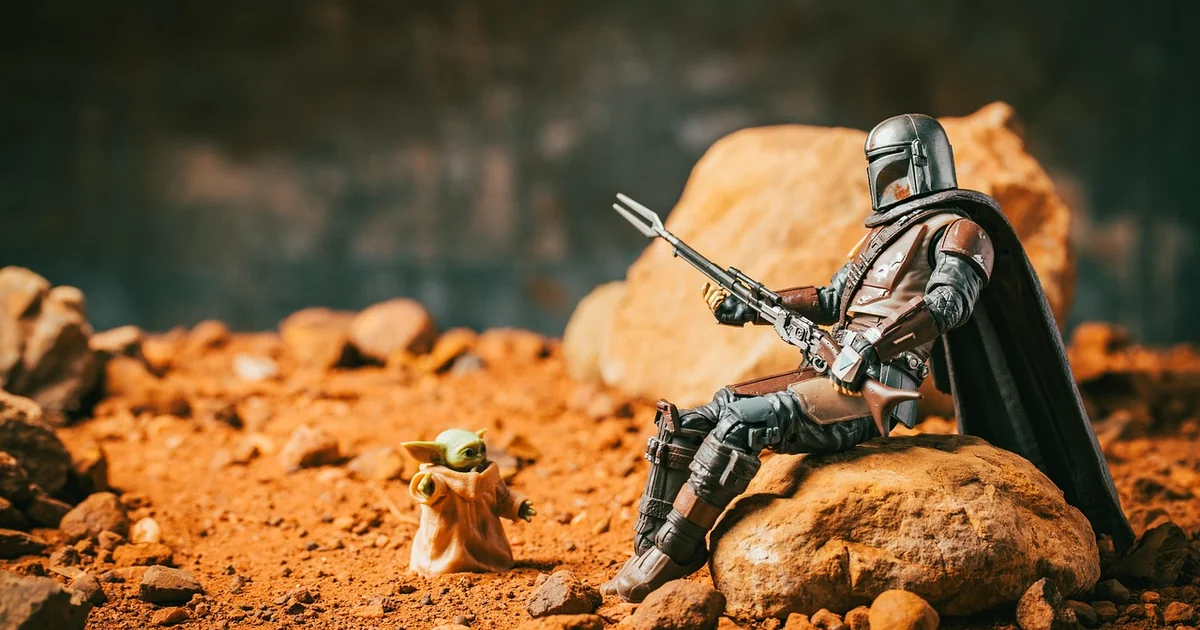
Grogu, mythosaurs, the Darksaber, Ahsoka, Luke Skywalker—over four seasons, the show wandered into many corners of Star Wars lore. Some fans loved the expansion; others felt the series lost sight of its original appeal. At its heart, The Mandalorian was about a lone bounty hunter making his way through a dangerous galaxy. The new movie returns to that primal formula. The plot, as revealed in a recent clip, is straightforward: Din Djarin must rescue Rotta the Hutt to obtain the location of the mysterious Imperial Commander Coin.
That’s a classic bounty hunt structure. It’s what Boba Fett never got to do in the original trilogy. It’s what made the first episode of the series so compelling. For viewers who felt the later seasons became too entangled with Jedi politics and cloning conspiracies, this feels like a reset. The mandalorian grogu significance here lies in reminding audiences why they fell in love with these characters in the first place—not for their destiny in the Force, but for their gritty survival instincts.
Reason 3: Mando’s Moral Dilemma Adds Real Emotional Stakes
Din Djarin has always operated with a code. He follows the Way, protects the foundling, and tries to do right by his beliefs. But in the new clip, we see him hesitate. Colonel Ward, played by Sigourney Weaver, tasks him with a rescue mission that forces him back into his old bounty hunting habits. Mando resists. He wants to use his skills only for good now. That moment of reluctance is crucial. It shows growth. The character who once shot first without a second thought now wrestles with whether a job is ethical.
This moral conflict resonates with audiences who have seen him evolve from a cold enforcer to a father figure. For readers who may wonder how this fits into a larger narrative arc, the answer is clear: Mando’s journey is about choosing who he wants to be. The temptation to fall back into familiar patterns is a universal struggle. Weaver’s character persuades him, but the audience senses this decision will haunt him. The mandalorian grogu significance in this context is that the movie isn’t just about completing a mission—it’s about testing a man’s principles.
Reason 4: Rotta the Hutt Connects the Movie to Deep Original Trilogy Lore
Rotta the Hutt is not a random character. He first appeared in the 2008 animated film Star Wars: The Clone Wars as Jabba the Hutt’s son. At that time, Anakin Skywalker and Ahsoka Tano rescued him. That story was well-received by fans but remained a relatively obscure piece of lore. Bringing Rotta back now, voiced by the star of The Bear, creates a direct link between the prequel era and the post-Imperial era. It suggests that the Hutts’ political power has not faded. They still control key information, including the location of a high-value Imperial target.
For dedicated viewers, this callback rewards years of attention. For casual fans, it introduces a colorful villain with a personal stake in the story. Rotta’s captivity also raises questions: Who captured him? And why does Colonel Ward want him rescued? The answer likely ties into larger factional conflicts within the remnants of the Empire. This isn’t just monster-of-the-week territory. It’s world-building that enriches the entire Star Wars timeline. The mandalorian grogu significance here is that the movie treats its own continuity with respect, weaving together threads from different eras.
Reason 5: Sigourney Weaver’s Colonel Ward Brings a Fresh Dynamic to the Franchise
Sigourney Weaver has a legendary sci-fi pedigree, from Alien to Avatar. Her casting in a Star Wars film is a major event. Colonel Ward appears to be an Imperial officer—or at least someone working within the post-Empire power structure. In the clip, she manipulates Mando by appealing to his sense of duty and his desire to protect his foundling. She represents the bureaucratic side of evil: polite, persuasive, and dangerous. This contrasts sharply with the blunt threats of Moff Gideon or the fanaticism of the Imperial remnant.
You may also enjoy reading: Echo Tech Career Roadmap: Education, Certification, and Advancement.
Her presence also raises the stakes on a galactic scale. Ward isn’t just after one fugitive. She’s after Commander Coin, someone who apparently holds the key to something major. By sending Mando on this rescue, she uses him as a pawn. That creates a chess game between two strong-willed characters. For viewers who may worry the plot is too simple, Ward’s manipulation adds layers of intrigue. Will Mando realize he’s being used? Or will the mission force him to compromise his newfound ethics? The mandalorian grogu significance in this dynamic is that the movie introduces a morally complex antagonist who challenges the hero without a lightsaber duel.
Reason 6: The Search for Commander Coin Offers Real Mystery and Galactic Consequences
Who is Commander Coin? The name suggests a high-ranking Imperial leader, perhaps a remnant commander hoarding resources or technology. The Hutts know his location, but they won’t give it up without a favor. That kind of power dynamic is classic Star Wars—the criminal underworld holding leverage over the fallen Empire. The search for Coin provides a clear objective that drives the plot forward. But the clip hints that things will go south. Once Mando rescues Rotta and gets the location, the mission may devolve into a desperate escape.
This structure mirrors classic adventure films like Raiders of the Lost Ark or The Treasure of the Sierra Madre: a simple objective that spirals into survival. The mandalorian grogu significance here is that the movie trusts its audience to follow a classic narrative arc. Not every story needs a galaxy-ending threat. Sometimes the stakes are personal—getting out alive with your foundling intact. That said, Coin’s identity could still hold surprises. Perhaps Coin is someone from Mando’s past, or a figure connected to the shadow council teased in The Mandalorian season 3. The mystery keeps fans speculating.
Reason 7: The Theatrical Scale Proves the Story Deserves the Big Screen
The biggest criticism leveled at The Mandalorian and Grogu is that it might feel like three episodes stitched together. Some viewers fear it won’t justify the cinematic format. But the released footage shows snow-covered landscapes, massive ship battles, and a Hutt who looks far more imposing than in the series. Director Jon Favreau and the team have clearly designed sequences that demand a wider canvas. The action is more explosive. The villains are more sinister. The emotional beats carry more weight because the audience has invested years in these characters.
For readers who are skeptical, consider this: The best episodes of the series—the season 2 finale with Luke Skywalker, the “The Prisoner” episode, or the “The Rescue” arc—all felt like mini-movies. Expanding that sensibility to two hours with a bigger budget allows for richer world-building and higher stakes. The mandalorian grogu significance is that the movie doesn’t just serve as a conclusion to a TV arc; it elevates the story to the level of a cinematic event. If it works, it could open the door for more show-to-film transitions in the franchise. If it fails, the streaming-first model may become permanent. Either way, the outcome will shape Star Wars for years to come.
So where do things go from here? The world premiere happens next week. Early reactions will tell us whether the film satisfies expectations. But regardless of critical reception, the fact that this story is getting a theatrical release matters. It reaffirms that the adventures of a lone bounty hunter and his Force-sensitive green companion have captured the global imagination. The journey of Din Djarin and Grogu—father and foundling, warrior and student—is not just fan service. It’s a tale about redemption, family, and the choices that define us. And that is why the mandalorian grogu significance extends far beyond box office numbers.