The Growing Challenge of Illegal Electric Motorcycle Riders
Picture this: you are walking through your neighborhood park on a quiet Sunday afternoon. Families are scattered across the grass. Children play on the swings. Suddenly, a group of riders on electric motorcycles tears through the walking path, popping wheelies and weaving between pedestrians. The noise is jarring. The danger is real. And when you call the police, they tell you there is not much they can do.
This scenario has become increasingly common across the United States. Police departments find themselves stuck between rising complaints from residents and the practical reality that chasing these riders is often too dangerous. In one Colorado town, officials have decided to try something different. They are asking locals for help. The Parker Police Department, located just south of Denver, recently launched an anonymous online portal where residents can report electric motorcycles and other vehicles being ridden illegally.
The system is simple. Locals submit tips about unsafe riding without revealing their identity. Police then use that information to build cases and track down offenders. It is a crowdsourced approach to enforcement, and it may signal a shift in how communities handle this growing problem.
Why Police Struggle to Catch These Riders on Their Own
The challenges facing law enforcement are not about lack of effort. They are about physics, policy, and human behavior. Most riders on these illegal electric motorcycles are young, highly mobile, and willing to flee. When an officer attempts a traffic stop, the rider often speeds away. Pursuing them through suburban streets or crowded urban areas creates serious risks for pedestrians, drivers, and the officers themselves.
Many police departments have strict pursuit policies. High-speed chases can end in crashes, injuries, or worse. Departments weigh the offense against the danger. A teenager riding an unregistered electric motorcycle through a park is not worth a multi-vehicle collision on a busy road. So officers often have to let them go.
Riders know this. Social media is filled with videos showing illegal street riding, stunts, and successful evasion of police. The behavior is brazen because the consequences are rare. That is why community reporting has become an attractive alternative. It shifts some of the burden from officers to residents, creating a network of eyes on the street.
The Specific Problems Officers Face
These vehicles are not your average bicycle. Many are high-powered electric motorcycles from brands like Sur-Ron and Talaria. They are designed for off-road use and are not street legal in their stock form. They lack registration, insurance, and VIN compliance. They often do not have proper lighting, mirrors, or brakes that meet Department of Transportation standards.
Because they are electric, they are also quiet. A rider can appear suddenly, cause chaos, and disappear into a trail network before anyone can react. Officers on patrol cannot hear them coming. By the time a complaint is radioed in, the rider is already blocks away.
This combination of factors leaves police with few good options. They can increase patrols in hot spots, but riders simply move to another location. They can set up checkpoints, but the riders are too mobile and too numerous. Community reporting offers a way to gather evidence over time and build cases against repeat offenders.
How Colorado’s Anonymous Reporting Portal Works
The Parker Police Department system is designed to be easy and accessible. Residents visit the department’s website and fill out a form. They can describe what they saw, when it happened, and where. They can upload photos or video if they have them. The submission is anonymous, which removes the fear of retaliation.
Officials have made it clear what kinds of behavior they want reported. Stunt riding, running stop signs, unsafe lane changes, and riding through parks or trails are all examples. The system is not meant for minor infractions. It targets dangerous and illegal activity that puts the public at risk.
Once a report is submitted, police review the information. They may cross-reference it with other tips or look for patterns. If enough evidence accumulates, they can identify a rider and take enforcement action. The key is that they do not need to catch someone in the act. They can build a case over time.
What Residents Should Know Before Submitting a Report
Accuracy matters. A vague report is less useful than one with specific details. Residents should note the time of day, the exact location, a description of the rider, and any identifying features of the vehicle. License plates are rare on these machines, but stickers, colors, and modifications can help.
Photos and video are especially valuable. A short clip showing a rider doing stunts in a park provides concrete evidence. Police can use it to identify the vehicle type and sometimes the rider. Even a clear photo of the bike from a distance can help narrow down the search.
It is also important to report promptly. Waiting days or weeks makes it harder for police to connect the incident to a specific rider. Reporting within hours of the event gives the best chance of follow-up.
The Critical Distinction Between Electric Motorcycles and E-Bikes
One of the biggest sources of confusion in this debate is terminology. Many people refer to all electric two-wheelers as e-bikes. That is incorrect, and it causes real problems. The vehicles causing trouble in neighborhoods and parks are not electric bicycles. They are electric motorcycles.
Actual electric bicycles in the United States are regulated under a three-class system. Class 1 e-bikes provide pedal assistance only up to 20 miles per hour. Class 2 e-bikes have a throttle but also cap at 20 miles per hour. Class 3 e-bikes offer pedal assistance up to 28 miles per hour. All three classes have power limits designed to keep them compatible with bike lanes, trails, and mixed-use paths.
Electric motorcycles like Sur-Rons and Talaria bikes operate very differently. They can reach speeds of 40, 50, or even 60 miles per hour. They have full motorcycle-style controls, including a twist throttle and hand brakes. They weigh significantly more than an e-bike. They are not designed to share space with pedestrians or cyclists.
Why the Distinction Matters for the Future of E-Bikes
When people lump electric motorcycles together with legitimate e-bikes, they create a regulatory risk. Lawmakers who hear complaints about dangerous riding may assume all electric bikes are the problem. They could push for stricter rules that affect everyone, including commuters who rely on legal e-bikes for transportation.
This has already happened in some areas. Cities have considered banning all electric bikes from certain trails because they cannot distinguish between legal and illegal vehicles. That is a blunt solution that punishes responsible riders. The more clearly the public understands the difference, the less likely that kind of overreach becomes.
If you own a legal e-bike, you have a stake in this conversation. The way people talk about electric motorcycles affects how regulators view your bike. Supporting enforcement against illegal vehicles while advocating for clear classification helps protect your right to ride.
Innovative Enforcement Strategies Beyond Community Reporting
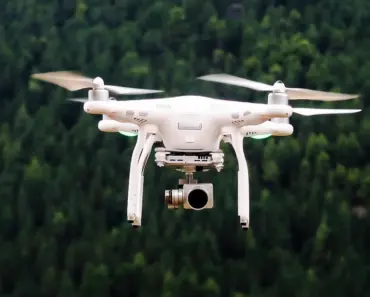
Colorado is not the only place experimenting with new approaches. Some police departments have turned to technology to solve the problem. Small drones, for example, can follow riders from a safe distance without putting anyone at risk. The drone tracks the rider until they stop, often at their home. Police then have a location and can follow up later.
This tactic avoids high-speed chases entirely. The drone stays at a height where it is not obvious. The rider may not even know they are being followed. Once the drone identifies a home address, officers can gather additional evidence and make an arrest when appropriate.
Other departments have partnered with parks and recreation officials to install barriers or redesign trail entrances. Physical changes to the environment can discourage riders from entering areas where they do not belong. Gates, bollards, and narrow passages make it harder for wide electric motorcycles to pass through.
You may also enjoy reading: WIRED’s 5 Best Live-Captioning Smart Glasses (2026 Tested).
The Role of Social Media in Enforcement
Ironically, the same social media platforms where riders brag about evading police can also be used against them. Departments monitor public posts for evidence of illegal riding. A video showing a rider doing stunts in a park, posted with location tags, can be used as evidence. Some departments have even reached out to platforms to request removal of content that glorifies illegal behavior.
Community reporting and social media monitoring work well together. A resident might see a video online, recognize the location, and submit a report. Police then have both the video and a timestamped complaint. It becomes much harder for the rider to claim they were not there.
Practical Steps for Residents Who Want to Report Unsafe Riding
If you live in an area where illegal electric motorcycle riding is a problem, you do not have to wait for your local police department to launch a portal. You can take action now. Start by familiarizing yourself with your local laws. Know what is legal and what is not. That knowledge helps you describe incidents accurately when you call or submit a tip.
Next, document what you see. Keep your phone handy when you walk or bike in areas where riding is common. A quick photo or short video can make all the difference. Do not put yourself in danger to get it. A shot from a safe distance is better than nothing.
Finally, report consistently. One report may not lead to action, but a pattern of reports from multiple residents creates a clear picture. Police are more likely to allocate resources to a location with a documented history of complaints. Your report, combined with others, becomes part of a larger case.
How to Identify an Illegal Electric Motorcycle
Knowing what you are looking at helps you report more effectively. Legal e-bikes have pedals that actually work. They have a relatively small frame and wheels similar to a traditional bicycle. The motor is usually integrated into the hub or bottom bracket. The top speed is limited to 20 or 28 miles per hour.
Illegal electric motorcycles, on the other hand, often have pedals that look like an afterthought. Some models include tiny pedals solely to avoid classification as a motorcycle. The frame is larger and heavier. The wheels are thicker, often with knobby tires. The bike has motorcycle-style handlebars, a twist throttle, and sometimes a seat shaped like a dirt bike.
If you see a rider going well over 30 miles per hour on a path, you are almost certainly looking at an electric motorcycle. A legal e-bike simply cannot reach those speeds. That is a clear indicator that the vehicle does not belong on mixed-use trails.
The Bigger Picture: A Nationwide Escalation
The situation in Colorado is not isolated. Cities across the country are grappling with the same issue. From California to Florida, police departments report rising complaints about electric motorcycle riders in public spaces. The problem has grown rapidly as these vehicles have become more affordable and more popular among young riders.
Part of the appeal is the low cost of entry. A used electric motorcycle can cost less than a used car. It requires no license, no insurance, and no registration in many cases. For a teenager looking for excitement, it is an easy choice. The consequences of getting caught are often minimal, so the risk feels acceptable.
But the impact on communities is real. Parks become less safe. Trails get damaged. Pedestrians and cyclists feel intimidated. The frustration builds until someone demands action. Community reporting offers a middle ground between doing nothing and aggressive enforcement that could cause more harm.
What the Future Holds
Whether Colorado’s approach spreads to other cities depends on several factors. First, the system needs to produce results. If residents submit reports and nothing changes, they will stop bothering. Police need to show that the information leads to real consequences for repeat offenders.
Second, the system needs to avoid abuse. Anonymous reporting can be misused. A neighbor with a grudge could file false reports against someone they dislike. Departments need verification protocols to filter out bad tips. They also need to educate the public about what kinds of behavior warrant a report and what does not.
Third, the legal framework around these vehicles needs clarity. Right now, the rules vary from state to state and even from city to city. A vehicle that is legal in one jurisdiction may be illegal in the next. Standardizing classifications would make enforcement easier and reduce confusion for riders and residents alike.
For now, the message from Parker, Colorado, is clear. Police cannot solve this problem alone. They need the community to help. And with the right tools and the right information, residents can make a real difference in keeping their neighborhoods safe.
The next time you see a rider tearing through a park on a machine that clearly does not belong there, you have options. You can report electric motorcycles through whatever system your local department offers. You can document what you see. You can speak up. That is how communities take back their public spaces without putting anyone in unnecessary danger.