Why This 20-Minute Game Feels Like a Slow-Motion Crisis
Imagine sitting at a desk where every decision you make leads to a worse outcome than the one before. That is the core experience of Bottleneck, a browser-based simulation built around the real Strait of Hormuz crisis. You are not trying to win. You are trying to lose less badly. The game, designed by Jakub Gornicki over 17 days with assistance from an AI coding tool, compresses a sprawling geopolitical dilemma into ten tense days between March 3 and April 13, 2026. Each morning you decide which ships get permission to pass through the strait. Each evening you face the consequences. And by the end, you realize there is no path to a satisfying outcome.
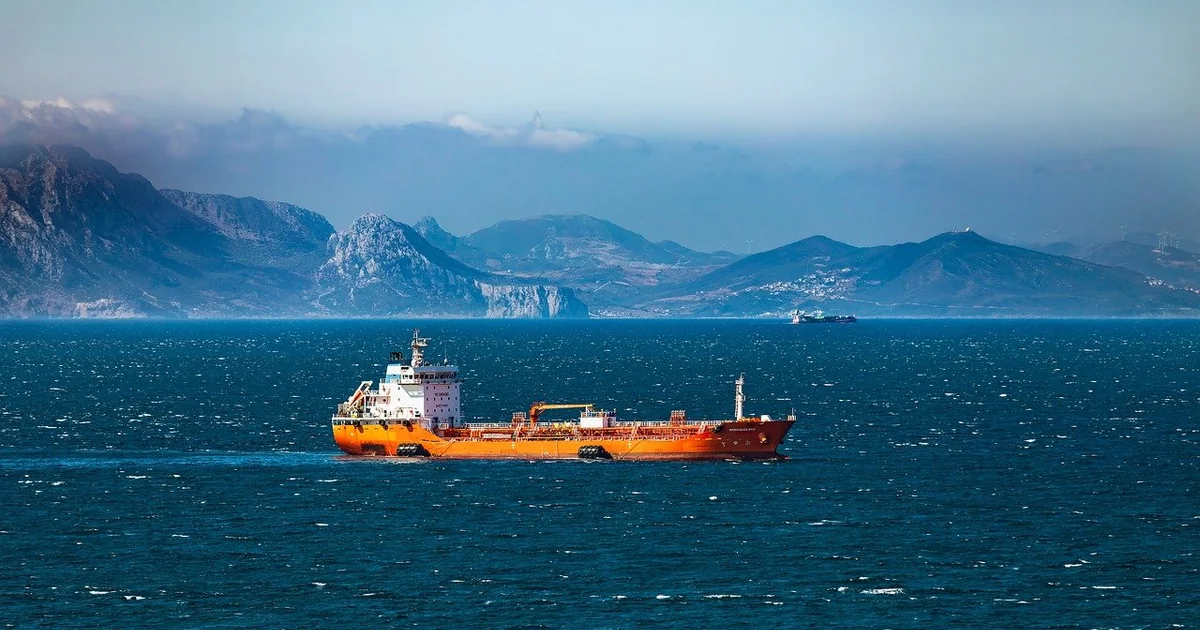
The real Strait of Hormuz once saw about 130 ships transit in a single day. In the game, squeezing through several dozen vessels across the entire ten-day window counts as a best-case scenario. That gap alone tells you everything about the scale of the crisis. The game does not let you forget it either. Every end screen provides charts, numbers, and news snippets that reinforce how far short your efforts fall. It is a humbling experience designed to make geopolitical reporting impossible to skim past.
1. The Shipping Gap Is Too Wide to Close
The first way everyone loses in the strait of hormuz game is baked into the numbers before you even make your first decision. The pre-war average of 130 ships per day represents normal global trade flow. Oil tankers, container vessels, liquefied natural gas carriers, and bulk freighters all move through that narrow passage every single day. The game gives you ten days to manage a fraction of that traffic. Even if you approve every available ship with perfect efficiency, you never come close to restoring normal volume.
This is not a failure of strategy. It is a structural constraint built into the simulation. Gornicki designed the game so that each ship you approve carries a growing cost or trade-off as the days progress. Early decisions might feel manageable. By day seven or eight, every approval triggers a backlash from some faction. You are forced to choose between moving a tanker full of crude oil or a container ship carrying food supplies. There is no way to do both.
The real-world parallel is stark. When shipping volume drops below a certain threshold, supply chains start breaking in ways that are hard to reverse. Fuel prices climb. Fertilizer becomes scarce. Food security weakens in regions that depend on imports. The game models this cascade faithfully. Even a perfect playthrough leaves you with an outcome that feels like failure because, in real terms, it is. The strait of hormuz game does not offer a restoration of normalcy. It offers damage control.
What the Numbers Actually Mean
Consider the math for a moment. If you manage to push 50 ships through over ten days, that is five per day. The pre-war average was 130 per day. You are operating at less than four percent of normal capacity. No economy can sustain that for long. The game reflects this reality in its endgame reports. You see empty shelves, desalination plant shutdowns, and rising civil unrest in Gulf States. These are not abstract warnings. They are the direct mathematical consequence of a 96 percent reduction in shipping throughput.
For a reader who teaches international relations, this single mechanic becomes a powerful classroom tool. Students quickly grasp that no amount of clever diplomacy can compensate for a physical infrastructure bottleneck. The game makes the numbers visceral. You feel the weight of each denied transit request because you know what it costs in human terms.
2. Inaction Leads to Catastrophic Collapse
The second way everyone loses is the punishment for doing nothing. You might be tempted to stall. Maybe you hope that delaying decisions will buy time for a diplomatic solution. The strait of hormuz game closes that door quickly. If you send no ships through the strait for multiple days, the endgame results turn grim fast. The game explicitly warns you about outcomes like empty grocery shelves in Gulf States and the collapse of desalination plants that provide fresh water to millions of people.
Desalination is a detail that many players overlook at first. The Arabian Gulf region depends heavily on energy-intensive desalination for its drinking water. When fuel shipments stop, those plants lose power. Fresh water becomes scarce within days. The game links this chain of consequences directly to your inaction. You are not just delaying oil deliveries. You are cutting off the water supply for entire cities.
This mechanic forces a painful realization. There is no safe option. Approving ships angers factions and creates political blowback. Refusing ships creates humanitarian crises. Every path leads to suffering. The only variable is which form of suffering you choose to prioritize. That is a fundamentally losing position, and the game never pretends otherwise.
The Food Security Dimension
Another layer of the inaction penalty involves food imports. Many Gulf States import the majority of their food. Those shipments arrive by sea. When the strait becomes impassable, food supplies dwindle. The game tracks this through a food security metric that declines sharply if you hold back too many cargo vessels. Empty shelves are not a hypothetical future. They appear in the game’s end state reports as a direct result of your choices.
For someone who feels overwhelmed by news about global supply chains, this part of the strait of hormuz game offers a concentrated dose of the pressure that policymakers face. You get twenty minutes to experience the kind of trade-off that real decision-makers wrestle with for months. It is not a comfortable experience, and it is not meant to be.
3. Escalating Trade-Offs Make Every Decision Worse
The third way everyone loses is the escalation mechanic. Early in the game, approving a ship might cost you a small amount of political capital or trigger a mild protest from one faction. By the middle of the ten-day window, those same approvals carry steeper penalties. A single tanker approval might cause a neighboring state to threaten retaliation. A container ship carrying medical supplies might be blocked by a faction that wants to pressure a rival.
Gornicki built this escalation using data from more than 125 verified and linked news articles. The trade-offs in the game are not arbitrary. They reflect real-world dynamics that have played out in the region over years. The AI coding tool he used helped him implement the logic quickly, but the underlying content comes from actual reporting by outlets covering maritime security, energy markets, and geopolitical tensions.
What makes this feel so defeating is that you cannot plan around the escalation. Each day introduces new variables. A faction that was neutral yesterday becomes hostile today. A shipping lane that seemed safe now faces a security threat. The game keeps you off balance, and that is intentional. Real crises do not follow a predictable script either.
How the Costs Accumulate
Imagine you approve a liquefied natural gas carrier on day three. The cost might be a minor diplomatic complaint. On day seven, the same approval could trigger a naval patrol interdiction that raises the risk for all subsequent ships. The game tracks these cascading consequences through a dynamic system that responds to your cumulative choices. There is no way to reset or undo. Every decision compounds.
For a policy analyst curious about how games model cascading consequences, this mechanic is particularly instructive. The strait of hormuz game demonstrates how small early choices can snowball into large-scale outcomes. A single approval on day two might seem harmless. By day nine, that same pattern of approvals has alienated a key faction and reduced your overall shipping capacity. You cannot see the full chain of effects while you are making the decision. You only see it in the endgame report.
4. No Victory Condition Exists
The fourth way everyone loses is structural. The strait of hormuz game has no winning state. There is no screen that congratulates you on a job well done. There is no score that measures success. The best outcome you can achieve is a set of endgame charts that show you mitigated the worst possible damage. Even then, the numbers remind you that the crisis continues. The real Strait of Hormuz problem does not end after ten days. It persists in fuel prices, fertilizer shortages, and food insecurity across multiple continents.
Gornicki made a deliberate choice here. He wanted players to feel the inadequacy of any solution. In an interview included in the game’s press materials, he said, “The chokepoint is not a story you read once and put down — it returns every week, in fuel prices, in fertilizer shortages, in food security in places far from any tanker.” That philosophy permeates every aspect of the game. You cannot win because the real world has not won either.
This lack of a victory condition might frustrate players who expect a traditional game loop. You make decisions, you see outcomes, you try to improve. In Bottleneck, improvement is measured only in degrees of disaster. You go from catastrophic to merely severe. That is the ceiling. The game does not apologize for this. It is the point.
Why That Matters for Learning
For educators and trainers, this design choice is valuable. A simulation that offers a clear win condition would misrepresent the nature of the real crisis. Students need to understand that some geopolitical problems have no satisfying resolution. The best you can do is manage the damage and prepare for the long haul. The strait of hormuz game teaches that lesson more effectively than any textbook chapter because it makes you live through the frustration.
Even the endgame screens, which provide plenty of charts and numbers, reinforce the sense of incompleteness. You see how many ships got through, how many were denied, and what the humanitarian consequences were. But there is no final summary that declares the crisis resolved. The implication is clear. Tomorrow, the decisions continue.
You may also enjoy reading: 7 Ways This New FOMO Phishing Scam Uses Fake Party Invites.
5. The Real-World Stakes Make Every Loss Personal
The fifth way everyone loses is the most uncomfortable. The game connects its fictional ten-day scenario to real, ongoing consequences. Gornicki incorporated shipping data from Windward Maritime Intelligence and Lloyd’s List, two respected sources in the maritime industry. The news articles linked throughout the game are real. The factions, the trade routes, the desalination plants, the food supply chains — all of them exist in the actual world.
This grounding in reality means that when you fail in the game, you are not just failing a digital challenge. You are glimpsing a future that could actually happen. The real Strait of Hormuz remains a chokepoint for about 20 percent of the world’s oil and a significant share of liquefied natural gas. Any disruption there sends shockwaves through global markets. The game makes those shockwaves feel immediate and personal.
Players who complete a session often report feeling uneasy. The charts at the end are not abstract. They describe outcomes that real people would experience. Empty shelves, water shortages, economic instability — these are not game mechanics. They are the vocabulary of humanitarian crises. The strait of hormuz game does not let you forget that.
Why This Stays With You
The game takes about 15 to 20 minutes to play. That is a short investment of time. But the emotional and intellectual residue lasts much longer. You carry the memory of those impossible choices into your next news cycle. When you read about oil prices or maritime security or Gulf State politics, you have a framework for understanding the trade-offs involved. The game becomes a mental model that makes abstract reporting feel concrete.
Gornicki said he wanted to give people a form of reporting they could not skim past. That goal is achieved. After playing Bottleneck, you cannot read a headline about the Strait of Hormuz without thinking about the ships you approved, the factions you angered, and the shelves you left empty. The game reframes the news as a series of personal decisions, and that shift in perspective is powerful.
A Game Built Differently
The development process behind Bottleneck is worth noting because it shapes how the game feels. Gornicki built the entire thing in 17 days, using an AI coding tool to generate and refine the underlying code. He described the process as having the AI output “audited and corrected at every step.” The result is a game that feels both polished and urgent, as if it had to exist quickly because the topic demanded it.
The use of AI in game development raises questions about credibility and authorship. In this case, the human oversight is extensive. Gornicki curated the 125-plus news articles, sourced the shipping data, and designed the game logic. The AI handled implementation speed, not creative direction. That distinction matters for anyone evaluating the game’s trustworthiness. The content is human. The code was accelerated.
For developers curious about how AI tools change game design, Bottleneck offers a case study. A project that might have taken months was completed in just over two weeks. The quality did not suffer because the human designer remained in control of every meaningful decision. The AI was a productivity tool, not a replacement for judgment.
What the Game Teaches About Crisis Management
Stepping back from the specifics, the strait of hormuz game offers broader lessons about decision-making under uncertainty. Every choice involves incomplete information. Every faction has competing interests. Every outcome carries hidden costs. These are the conditions under which real policymakers operate, and the game replicates them with surprising fidelity for a 20-minute browser experience.
One lesson is that delay is not a strategy. Refusing to make a choice is itself a choice with consequences. The game penalizes inaction just as harshly as it penalizes poor action. Another lesson is that perfect information does not exist. You never know exactly how a faction will react or what tomorrow’s news will bring. You have to decide anyway. A third lesson is that good outcomes are defined relative to worse alternatives, not relative to an ideal. The best you can do is choose the least bad option available.
These lessons apply far beyond the Strait of Hormuz. They apply to business strategy, public policy, personal finance, and any domain where resources are limited and stakes are high. The game is a compressed tutorial in trade-off thinking.
Who Should Play This Game
The strait of hormuz game is not for everyone. It is not a relaxing pastime or a casual diversion. It is an educational tool that happens to be packaged as a game. The ideal player is someone who wants to understand a complex geopolitical issue without reading a 300-page book. The game delivers that understanding in under half an hour, and it does so by making you feel the weight of the decisions involved.
Teachers of international relations will find it useful as a classroom simulation. Students can play through a session and then discuss the trade-offs they faced. Journalists covering energy or maritime security can use it to build empathy for the decision-makers they write about. General readers who feel overwhelmed by news about supply chains and geopolitics can use it to build a mental framework for understanding those stories.
Even policy analysts might find value in the game’s modeling approach. While it is not a rigorous simulation, it captures qualitative dynamics that matter. The escalation of costs, the interdependence of sectors, the impossibility of satisfying all stakeholders — these are real features of crisis management, and the game represents them honestly.