Water damage ranks among the most costly and stressful surprises a homeowner can face. A burst pipe, a failing washing machine hose, or a slow leak under the sink can quietly ruin floors, walls, and belongings before you even notice. The average water damage claim in the United States runs about $10,000 according to industry data, and many standard insurance policies exclude gradual leaks. That is why a reliable early-warning system matters so much. Smart water leak detectors can catch a problem in seconds, sending alerts straight to your phone or triggering a loud alarm. After testing dozens of models, I have narrowed down the seven most effective options for different homes, budgets, and smart-home setups.
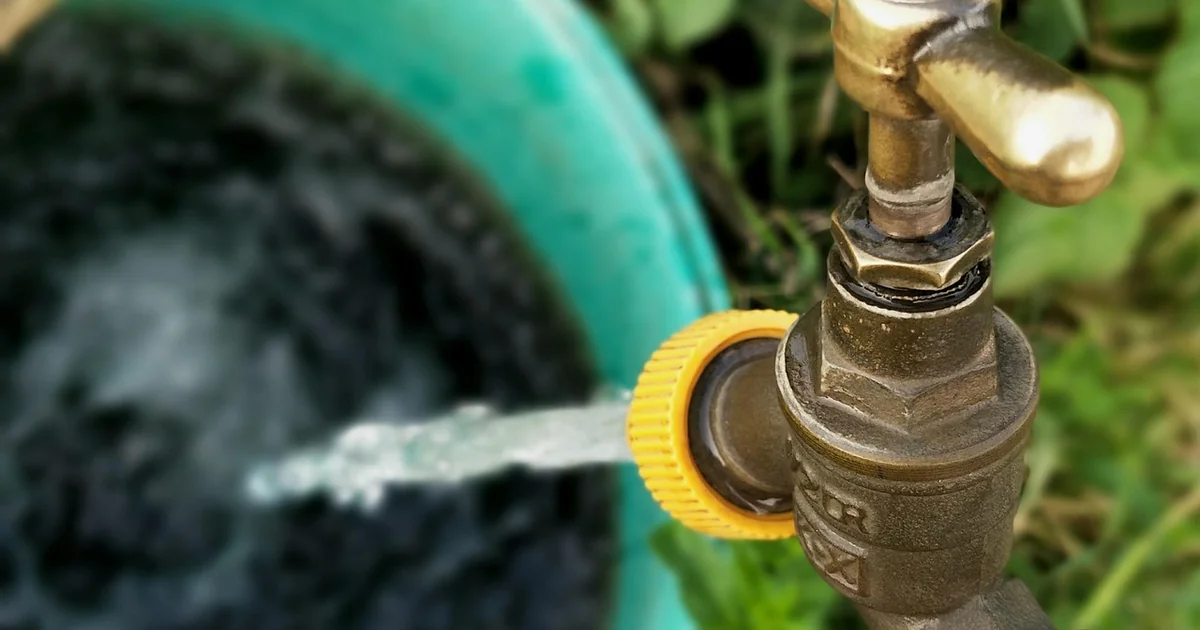
top picks for Smart Water Alarms
Every detector below has proven itself in real-world testing. I placed each one near a sink, dripped water on it, and timed the response. I also evaluated setup difficulty, app reliability, and extra features like temperature monitoring. Here are the seven devices that stood out.
Shelly Flood Gen 4
Shelly’s fourth-generation leak detector brings strong connectivity and smart-home versatility. It supports the Matter protocol, which means it can join Apple HomeKit, Amazon Alexa, Google Home, and Samsung SmartThings without extra bridges. Setting it up took only a few minutes: I scanned the Matter QR code in the Google Home app, and the sensor appeared instantly. The unit carries an IP44 rating, so splashes won’t hurt it, and it mounts to a wall with screws or adhesive strips. A 6.5-foot detection cable plugs into the bottom, letting you snake the sensing tip into tight spots behind a toilet or under a dishwasher. Four AA batteries come included, and the detector sounds a loud local alarm plus sends alerts through whichever smart-home app you prefer. During testing, a few drops on the cable triggered an immediate notification. Early firmware hiccups that caused missed alerts in Google Home have been resolved, making this a reliable choice for anyone who wants broad ecosystem support.
Phyn Smart Water Sensor
Phyn’s sensor looks like a hockey puck with three metal feet. It proved consistent in my tests, blasting a piercing beep, sending a text message, and pushing a notification to my phone all at once. Setup was the one annoyance: the app required several reloads and re-entering of Wi-Fi credentials before it finally paired. Once connected, the sensor tracked temperature and humidity, displaying charts inside the app. You can set custom thresholds—for example, get an alert if humidity climbs above 70 percent. The disc runs on two AA batteries (included) and has an LED that flashes red when water is detected. You can expand coverage with an Extension Node ($10) or a 4-foot Water Sensor Cable ($27), though neither is packed in the box. The biggest drawback is that you must press a physical button on the device to silence the alarm; there is no in-app mute. It also lacks any smart-home integration, so it works as a standalone unit. At $37, it offers solid reliability for those who do not need home-automation links.
TP-Link Tapo T300 Water Leak Detector
TP-Link’s T300 is a budget-friendly option that does not skimp on speed. It has four metal probes underneath and two on top, so it catches water dripping from above or pooling below. In my tests, push notifications arrived within one to two seconds, and the built-in 90-decibel alarm was loud enough to hear from another floor. You can reduce or mute the alarm volume in the Tapo app. The sensor requires a Tapo Smart Hub (sold separately), which plugs into a wall outlet and connects to your Wi-Fi. One hub can link up to 64 devices, including motion sensors and smart plugs. A handy feature: pressing the button on the sensor makes the hub beep to confirm the sensor is within range. Two AAA batteries are included and are rated to last up to three years. The app shows a battery icon and warns when power runs low. You can also set the sensor to trigger a Tapo smart plug to turn off, which I tested and worked perfectly. The unit is a bit bulky, so it may not fit in every cramped cabinet. Also, after I removed the batteries, the sensor still showed as online in the app for several hours—a minor quirk that could cause false confidence. For $20 (plus the hub), it is one of the best water leak detectors for those already invested in the Tapo ecosystem.
Eve Water Guard
If you live in an Apple household, the Eve Water Guard is a top contender. It relies on HomeKit, so it works flawlessly with an iPhone, iPad, or Apple Watch as long as you have a home hub such as an Apple TV or HomePod. Privacy is a strong selling point: no data leaves your home network to third-party servers. The device plugs directly into an outlet (no batteries needed) and includes a 6.5-foot sensing cable. When water touches the cable, the Eve app and the Apple Home app both send alerts, and the Guard emits a 100-decibel siren that is truly hard to ignore. A red LED flashes as well. You can review alarm history, test the siren, and update firmware inside the Eve app. The sensing cable covers a large area and triggered alerts instantly in my tests. You can extend the cable with additional 6.5-foot segments ($20 each) for up to 500 feet total. The obvious drawbacks are the $110 price tag, no Android support, and the requirement of a home hub for remote alerts. But for iPhone users who want a no-compromise, private solution, this is an excellent pick.
Moen Flo Smart Water Detector
Moen is best known for its smart water shutoff valve, but the company also makes a capable standalone detector. This small disc sits on the floor and uses two metal contacts to sense water. It connects via Wi-Fi directly to the Moen app, so no hub is required. The app sends push notifications and logs temperature and humidity over time. A built-in 90-decibel alarm sounds when water is detected. The detector runs on two AA batteries (included) and includes a magnetic backplate for mounting on metal surfaces. During testing, the alarm was loud, and notifications arrived within three seconds. One unique advantage: if you also own the Moen Flo Smart Water Shutoff, the detector can automatically trigger the valve to close, stopping the water supply before damage spreads. At around $40, it is a solid mid-range option with a clear path to whole-home protection.
D-Link DCH-S1621KT Wi-Fi Water Sensor
D-Link’s kit includes a sensor and a separate hub that plugs into a wall outlet. The sensor uses a 3-foot sensing cable (included) that you can position away from the main unit. When water touches the cable, the hub emits a loud 100-decibel alarm and sends a push notification to the D-Link app. The sensor also monitors temperature and humidity, and you can set thresholds for alerts. Setup was straightforward: plug in the hub, pair the sensor by pressing a button, and connect the hub to your Wi-Fi. The sensor runs on two AAA batteries (included), and the app shows battery status. One standout feature is the ability to add up to four sensors to a single hub, covering multiple zones. The hub also has a built-in siren and a strobe light for visual alerts. At roughly $50 for the kit, it offers good value for coverage of a basement, laundry room, and kitchen with one hub.
Aqara Water Leak Sensor
Aqara’s tiny sensor is a favorite for Zigbee smart-home setups. It requires an Aqara Hub (sold separately), but once paired, it integrates seamlessly with Apple HomeKit, Amazon Alexa, Google Assistant, and IFTTT. The sensor is about the size of a quarter and has two exposed metal prongs. When water bridges the prongs, the hub sounds an alarm and the Aqara app sends a notification. You can also create automations—for example, turn off a smart valve or flash your lights if a leak is detected. The sensor runs on a CR1632 coin-cell battery that lasts about two years. In my tests, the response time was under two seconds. The price is low (around $15), but you need the hub ($40–$60). The small size makes it easy to hide under a sink or behind a toilet. The main limitation is that it only detects water at the sensor itself; there is no extension cable. Still, for those building a Zigbee smart home, this is one of the best water leak detectors for its size and automation potential.
What to Consider Before Buying
Choosing the right detector depends on your home layout, your existing smart devices, and your budget. Here are a few factors to weigh.
You may also enjoy reading: New Pack2TheRoot Flaw Gives Hackers Root Linux Access.
Connectivity and Smart Home Integration
Some detectors connect directly to Wi-Fi, while others need a separate hub or bridge. Wi-Fi models like the Moen Flo are easy to set up without extra hardware. Hub-based systems like the TP-Link Tapo or Aqara can be more reliable because they use low-power mesh protocols such as Zigbee. If you already use Apple HomeKit, the Eve Water Guard is a natural fit. For Matter support, the Shelly Flood Gen 4 stands out.
Battery Life and Power Source
Most detectors run on batteries, so you need to check how long they last. TP-Link claims up to three years for its Tapo T300, while Aqara’s coin cell lasts about two years. The Eve Water Guard plugs into an outlet, eliminating battery worries entirely. If you choose a battery-powered model, look for one that warns you when the battery is low.
Alarm Volume and Notification Methods
A loud siren is critical if you are not always near your phone. The Eve Water Guard hits 100 dB, while the TP-Link Tapo T300 reaches 90 dB. Some detectors, like the Phyn, require you to press a physical button to stop the alarm, which can be annoying but ensures you physically check the leak. Others let you mute the alarm from the app.
Additional Sensors: Temperature and Humidity
Many modern detectors also track temperature and humidity. The Phyn and Moen Flo both offer this feature, which can help you monitor for mold-friendly conditions or freezing pipes. Setting alert thresholds for high humidity can catch a small leak before it becomes a flood.
How I Tested These Detectors
I placed each sensor on a tile floor near a sink. I dripped about a teaspoon of water directly onto the sensing area (probes or cable) and measured the time until the alarm sounded and the notification arrived. I also tested battery installation, app responsiveness, and any extra features like temperature logging. For hub-based models, I evaluated the pairing process and range. I deliberately removed batteries from the TP-Link Tapo T300 to see if the app would show it as offline—it did not, which is a notable flaw. For the Eve Water Guard, I verified that the siren could be heard from the opposite end of a 2,000-square-foot house. All tests were conducted over a two-week period in a typical residential setting.
Water leaks rarely announce themselves politely. A good detector gives you the few extra minutes you need to grab a bucket, turn off the water, and call a plumber. Whether you want a cheap, cheerful sensor for the laundry room or a whole-home system that talks to your smart valve, the seven models above cover the spectrum. The best water leak detectors are the ones you actually install and trust—so pick the one that fits your home and your habits, and place it where trouble is most likely to start.