A Strategic Bet on Precision Measurement
The recent agreement between Ametek and Clayton, Dubilier & Rice (CD&R) for the test-and-measurement slice of the Indicor portfolio has drawn significant attention in the industrial investment community. For approximately $5bn, Ametek is acquiring a carefully selected set of businesses that fit neatly into its existing instrumentation core. This transaction, first reported by the Wall Street Journal in late April, represents the largest single partial exit CD&R has executed in 2026. To understand why this deal makes sense for all parties involved, we need to look at the specific strategic drivers that pushed it across the finish line.
Reason 1: The Picks-and-Shovels Play in AI Infrastructure
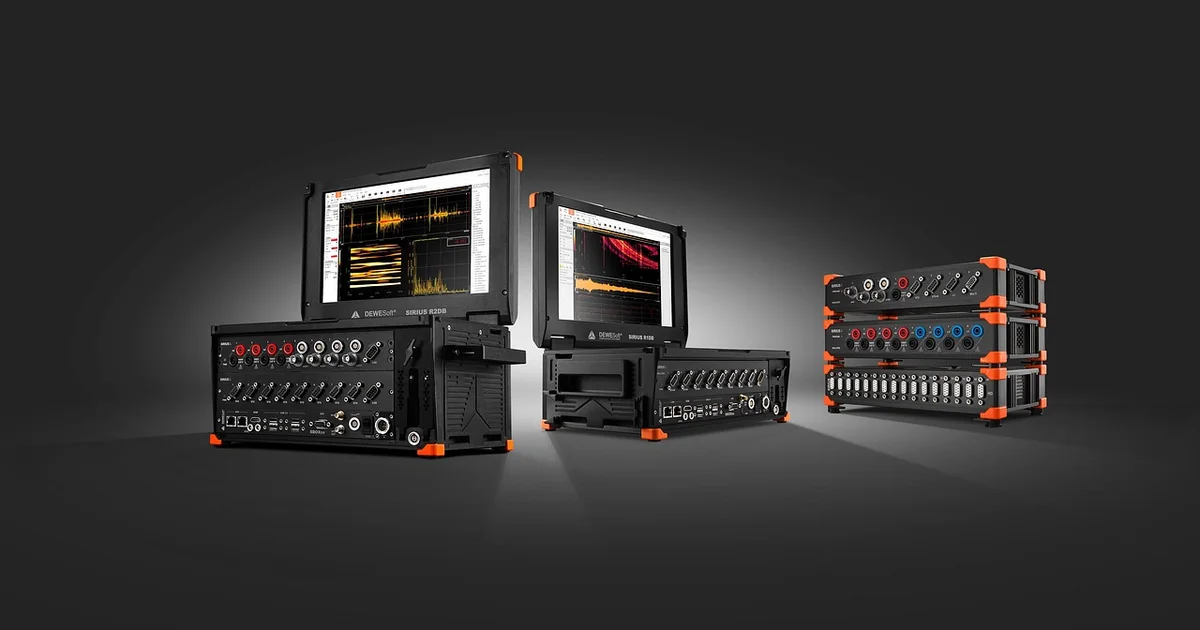
The most compelling reason for Ametek to pursue this ametek indicor acquisition lies in the underlying customer base of the test-and-measurement businesses. While much of the strategic M&A coverage in 2026 has focused on frontier-model distribution, data-center REITs, and massive AI infrastructure tie-ups, Ametek’s move is quieter but equally significant. The instrumentation companies that test, measure, and validate the chips, process flows, and manufacturing lines behind AI hardware are beneficiaries of every part of the build-out simultaneously.
Ametek’s customers include semiconductor manufacturers, pharmaceutical producers, aerospace-and-defense integrators, and energy-sector operators. Each of these sectors is currently feeding the AI infrastructure build-out through the supply chain. When Samsung Electronics crosses revenue thresholds on AI memory demand, or when STMicroelectronics targets $3bn in space-chip revenue, the companies that produce the precision measurement equipment used to validate those chips are right there in the background.
This is a classic picks-and-shovels position. Ametek does not need to describe itself as an AI company. It simply provides the tools that AI-enabling industries rely upon. The test-and-measurement assets within Indicor—covering precision measurement, materials testing, polymer-process analytics, and process-control sensors—align perfectly with this narrative. For Ametek, the deal is a direct bet that the AI build-out will continue to require ever more sophisticated validation and testing equipment.
Why This Matters for Valuation
Critics might argue that Ametek paid a full multiple for these businesses. The implied EBITDA multiple lands in the 12-14x range, which is not cheap by historical standards for bolt-on acquisitions. However, when you frame the deal within the context of AI infrastructure exposure, the premium becomes easier to justify. Strategic buyers have been willing to pay higher multiples for assets that offer clean exposure to secular growth themes, and Ametek’s board clearly saw this as a rare opportunity to acquire a portfolio of highly complementary businesses at a scale that is unusual for the company.
Reason 2: A Rare Opportunity for Scale in a Fragmented Market
Ametek has a long history of bolt-on acquisitions. For two decades, the Pennsylvania-based company has methodically rolled up smaller instrumentation and precision-measurement firms. These acquisitions have typically been small, targeted, and easy to integrate. The ametek indicor acquisition is different. At roughly $5bn, it represents a step-change in scale for the company. The combined Ametek-plus-Indicor revenue base will approach $9bn, giving the company a much larger footprint in the test-and-measurement space.
What made this opportunity so attractive was the fact that CD&R was selling only a subset of the Indicor portfolio. Ametek was not forced to acquire the pumps-and-valves businesses that it did not want. Instead, it could cherry-pick the test-and-measurement assets that aligned perfectly with its existing operations. The pumps-and-valves businesses—Roper Pump, Cornell, AMOT, and Hansen—remain inside Indicor under CD&R’s continued majority ownership. This partial exit structure allowed Ametek to avoid taking on assets that would have required a different operational playbook.
For a company that typically acquires businesses for a few hundred million dollars, this deal represents a significant leap. The ability to acquire a portfolio of well-known brands—including Alpha, AMOT, CCC, Cornell, Dynisco, Roper Pump, Struers, and Uson—in a single transaction is rare. Most of these brands would have been difficult to acquire individually. The fact that they were packaged together as part of a private equity carve-out created a window of opportunity that Ametek was wise to seize.
Reason 3: CD&R’s Need for a Clean Exit in a Difficult Market
The 2025-early 2026 environment for private equity industrial exits has been visibly challenging. Rising interest rates and compressed strategic-buyer multiples have made it difficult for firms to achieve the returns they had planned. Many industrial assets that seemed attractive in 2022 have struggled to find buyers willing to pay the prices that sellers wanted. This is where the ametek indicor acquisition becomes a case study in smart portfolio management.
CD&R acquired a 51% majority stake in the Indicor portfolio in 2022 at a $3.6bn enterprise value. Roper Technologies retained a 49% minority equity interest and received $2.6bn in upfront cash. The portfolio, which combined approximately $1.1bn in 2022 revenue across pumps, valves, test-and-measurement equipment, sensors, and meters, was rebranded as Indicor in January 2023. For CD&R, the goal was always to improve the businesses operationally and then exit at a higher valuation.
By selling roughly half the portfolio for $5bn—after acquiring the entire portfolio at a $3.6bn enterprise value just four years earlier—CD&R has executed one of the cleanest mid-market industrial partial exits of 2026. The implied multiple in the 12-14x EBITDA range is exceptional by current standards. The firm is now on track for a 2.5-3.5x money multiple on its original equity once the remaining pumps-and-valves businesses exit separately. This is a remarkable outcome given the difficult market conditions.
For Ametek, the timing was fortuitous. CD&R needed a buyer that could move quickly and pay a full multiple. Ametek needed a portfolio that would accelerate its growth in the test-and-measurement space. The stars aligned, and the deal was struck.
The Role of Roper Technologies
Roper Technologies, the original seller of the Indicor portfolio, also benefits from this transaction. Per its 2022 announcement, its 49% minority interest entitles it to a proportional share of exit proceeds. Wednesday’s transaction returns material cash to Roper on top of the original $2.6bn. This provides useful side validation of Roper’s decision to divest the industrial businesses in favor of higher-multiple software operations. For Roper, the deal confirms that the carve-out was the right strategic move, and it now receives a second infusion of cash without having done any additional work.
Reason 4: Strategic Fit with Ametek’s Existing Instrumentation Core
Ametek has built its reputation on precision measurement, materials testing, polymer-process analytics, and process-control sensors. The test-and-measurement businesses within Indicor fit these categories like a glove. The assets being acquired are precisely aligned with Ametek’s existing instrumentation core, which the company has been strengthening through bolt-on acquisitions for two decades.
Consider the specific applications. Ametek’s equipment is used to test the tensile strength of materials used in aerospace components. It measures the viscosity of polymers in pharmaceutical manufacturing. It validates the pressure sensors in semiconductor fabrication equipment. The Indicor test-and-measurement brands bring additional depth in each of these areas. Dynisco, for example, is a leader in polymer-process analytics. Struers specializes in materials testing and preparation. Uson is known for leak-testing equipment used in medical devices and automotive components.
By adding these brands to its portfolio, Ametek can offer customers a more comprehensive suite of testing and measurement solutions. Cross-selling opportunities abound. A semiconductor manufacturer that currently buys one type of measurement equipment from Ametek can now purchase additional tools from the newly acquired Indicor brands. The integration should be relatively smooth because the product lines are complementary rather than overlapping.
Avoiding Integration Headaches
One of the reasons Ametek was able to move quickly on this deal is that the test-and-measurement businesses are relatively standalone. They do not require significant operational restructuring to fit into Ametek’s existing structure. The pumps-and-valves businesses, which remain with CD&R, would have required a different approach. By acquiring only the test-and-measurement subset, Ametek avoids the integration headaches that often plague large-scale acquisitions in the industrial space.
This selective approach also reduces execution risk. Ametek’s management team has decades of experience integrating smaller bolt-on acquisitions. While this deal is larger than anything the company has done before, the underlying logic is the same. Acquire a business that fits the existing portfolio, integrate it carefully, and extract value through operational improvements and cross-selling.
You may also enjoy reading: 7 Essential Tips to Buy a Bike in the Right Size.
Reason 5: Positioning for the Next Cycle of Industrial Investment
The final reason for the ametek indicor acquisition is forward-looking. Ametek is positioning itself for the next cycle of industrial investment, which will be driven by reshoring, infrastructure spending, and the continued expansion of AI-related manufacturing. Each of these trends requires precision measurement and testing equipment. Companies that produce semiconductors, pharmaceuticals, aerospace components, and energy-sector equipment cannot operate without validated measurement tools.
Consider the reshoring trend. As manufacturers move production back to North America and Europe, they need to build new factories and equip them with modern testing equipment. Ametek, with its expanded portfolio, is well-positioned to supply these factories. Similarly, infrastructure spending—whether on roads, bridges, or energy grids—requires materials testing and process-control sensors. The Indicor brands add depth in each of these areas.
The AI build-out is perhaps the most significant driver. The chips that power AI models require incredibly precise manufacturing processes. Every step of the semiconductor fabrication process requires measurement and validation. Ametek’s equipment is used throughout this process. By acquiring the Indicor test-and-measurement businesses, Ametek is betting that the demand for AI-related chips will continue to grow, and that the companies producing those chips will need ever more sophisticated testing equipment.
The Broader Industrial M&A Context
The deal also reflects a broader trend in industrial M&A. Private equity firms are increasingly looking to partial exits as a way to realize value while retaining exposure to assets that are not yet ready for sale. CD&R’s decision to sell only the test-and-measurement slice of Indicor is a textbook example of this strategy. The firm gets a clean exit on half the portfolio at an attractive multiple, while retaining the pumps-and-valves businesses for a future sale.
For strategic buyers like Ametek, partial exits offer the ability to acquire exactly the assets they want without being forced to take on businesses that do not fit. This deal structure is likely to become more common as private equity firms seek to maximize returns in a challenging exit environment. The ametek indicor acquisition may well serve as a template for future transactions in the industrial instrumentation space.
What This Means for the Remaining Indicor Businesses
With the test-and-measurement businesses sold, CD&R will now prepare the remaining pumps-and-valves businesses for a separate exit. These businesses—Roper Pump, Cornell, AMOT, and Hansen—are well-known in their respective niches. Roper Pump specializes in progressive cavity pumps used in oil and gas, wastewater, and food processing. Cornell produces centrifugal pumps for industrial applications. AMOT makes control valves and temperature sensors. Hansen manufactures industrial clutches and brakes.
These businesses are fundamentally different from the test-and-measurement assets that Ametek acquired. They require a different operational approach, different go-to-market strategies, and different customer relationships. By keeping them separate, CD&R can focus on optimizing each business for its eventual sale. The firm will likely invest in operational improvements, expand distribution channels, and strengthen management teams before bringing the businesses to market.
The timing of the next exit will depend on market conditions. If the environment for industrial exits improves in 2027 or 2028, CD&R could achieve a similar multiple on the remaining businesses. If conditions remain challenging, the firm may hold the assets for longer. Either way, the partial exit to Ametek has already delivered substantial returns, and the remaining businesses represent upside potential.
Risks and Considerations for Ametek
While the strategic rationale for the deal is strong, there are risks that investors should consider. The first is integration risk. Ametek has a strong track record with small bolt-on acquisitions, but integrating a $5bn portfolio of businesses is a different challenge. The company will need to retain key talent, maintain customer relationships, and realize cost synergies without disrupting operations.
The second risk is valuation. At 12-14x EBITDA, Ametek is paying a full price for these businesses. If the AI build-out slows, or if the reshoring trend falters, the expected returns may not materialize. The company is betting that the secular trends driving demand for test-and-measurement equipment will persist for years to come. That is a reasonable bet, but it is not without risk.
Finally, there is the risk of distraction. Ametek’s management team will need to devote significant time and energy to integrating the Indicor businesses. This could divert attention from other growth initiatives or operational improvements. The company will need to execute carefully to ensure that the deal delivers the expected benefits.