Inside the Reading Room: A Glimpse Into the Epstein Files Library
A nondescript gallery in New York’s Tribeca neighborhood now holds something extraordinary. More than 3,700 bound volumes line the shelves, each filled with documents released by the Department of Justice. Together they form what organizers call the Donald J. Trump and Jeffrey Epstein Memorial Reading Room. Visitors who step inside encounter over 17,000 pounds of paper evidence. The sheer physical weight of these records tells a story that digital files cannot fully convey.
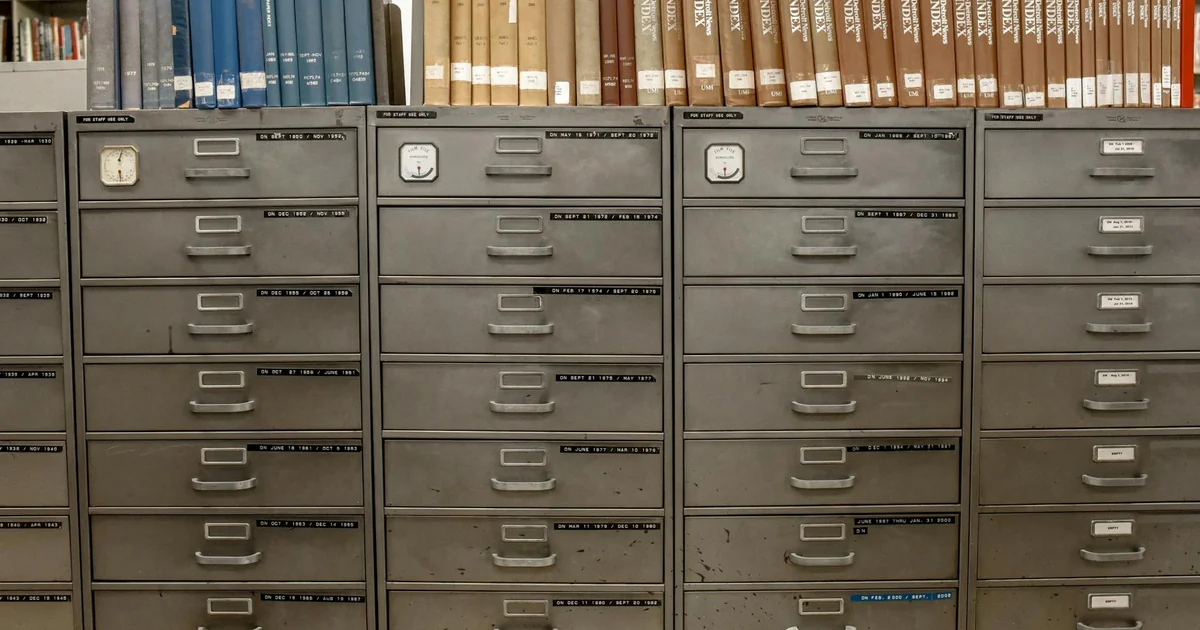
This space functions as a temporary public archive. It offers anyone the chance to sit down and flip through pages that document years of investigation. The epstein files library represents an unprecedented effort to make government records accessible in analog form. From May 8 to 21, the public can visit by appointment only. The window is short, but the impact is designed to last.
A Random Page, A Disturbing Glimpse
During a recent visit, a visitor randomly opened Volume 1,536 and turned to page 311. What appeared was an email thread from early 2016 between Jeffrey Epstein and a woman whose name the Department of Justice had redacted. In the exchange, Epstein asked the unidentified woman for a “naughty selfie.” He later sent her a camera. Then in late February, his request shifted. He asked if she had any friends who might want to work for him. He offered money for someone willing to travel, aged 22 to 25, educated, and personable.
The message carries a particular weight given the context. Epstein faced accusations of sex trafficking minors. The Department of Justice estimates he had more than 1,200 potential victims. A single email thread, randomly encountered, reveals the grooming tactics that authorities say he employed. The epstein files library makes such discoveries possible for anyone willing to sit and read.
The Staggering Scale of Evidence
David Garrett, the main organizer of the exhibit at the Institute for Primary Facts, describes what the room contains.
“The evidence in this room is evidence of one of the most horrific crimes in American history,” Garrett says. “When people come through this room, I hope they realize that in America, we have the rule of law, and if they stand up they can take action and demand accountability for the crimes that were committed.”
The numbers help illustrate the magnitude. More than 3.5 million pages of Epstein-related records were released by the Department of Justice earlier this year. Those pages were compiled into over 3,700 individual volumes. The total weight of the evidence on display exceeds 17,000 pounds. That is roughly the weight of a fully grown African elephant. The physical presence of so much paper forces visitors to confront the scale of the investigation.
What the Volumes Contain
The documents span years of communication, flight logs, financial records, and witness statements. Emails between Epstein and numerous individuals appear throughout the collection. Some names remain fully visible. Others are redacted, either to protect privacy or because investigations remain ongoing. The mix of visible and hidden information creates a reading experience that feels both revealing and incomplete.
Flight logs document Epstein’s private aircraft movements. These records have drawn particular attention because they list passengers who traveled with him. Financial documents trace the flow of money that supported his operations. Witness statements provide firsthand accounts from those who say they experienced or observed abuse. Together these materials form the most comprehensive public record of Epstein’s activities ever assembled.
Why the Reading Room Bears Trump’s Name
The full name of the installation has sparked discussion. The Donald J. Trump and Jeffrey Epstein Memorial Reading Room places two figures side by side in a way that raises questions. Epstein, who died in prison in 2019, has become synonymous with systemic corruption and abuse. His ties to President Donald Trump have been documented and debated extensively.
The installation features a detailed timeline of the relationship between the two men. It traces their interactions from an initial meeting in Palm Beach in 1987 through Epstein’s attendance at Trump’s wedding to Marla Maples in 1993. The timeline continues to 2007, when Epstein’s membership at Mar-a-Lago ended. According to the exhibit, Trump allegedly witnessed Epstein behaving inappropriately toward the teenage daughter of another member around that time.
The Controversy Around Naming
Some visitors question whether Trump’s name belongs alongside Epstein’s in a memorial context. The organizers chose the name deliberately. They wanted to highlight the connections between wealth, power, and the systems that allowed Epstein’s operations to continue for years. The reading room does not draw conclusions about Trump’s involvement. It presents documented interactions and allows visitors to form their own judgments.
White House spokesperson Abigail Jackson responded to a request for comment about the exhibit. She stated that Trump has “been totally exonerated on anything relating to Epstein.” She further claimed that Trump “has done more for Epstein’s victims than anyone.” The exhibit itself does not endorse or contradict this position. It simply presents the timeline and the documents.
Public Access and Its Limitations
The epstein files library opens to the public for a limited period. From May 8 to 21, visitors can schedule appointments to spend time in the reading room. The temporary nature of the installation raises questions about long-term access. What happens to these volumes after the exhibit closes remains unclear.
How to Visit
Appointments are required. Walk-ins cannot be accommodated due to space constraints and the sensitive nature of the materials. Visitors should expect to present identification upon arrival. The gallery is located in Tribeca, a neighborhood in lower Manhattan. Public transportation options include multiple subway lines and bus routes.
Each appointment allows a set amount of time in the reading room. Visitors can request specific volumes if they know what they are looking for. Those who prefer to browse can pull volumes from the shelves at random. The experience of discovering something unexpected is part of what the organizers intended.
Digital Access Alternatives
For those who cannot travel to New York, the underlying records exist in digital form. The Department of Justice released the full set of Epstein-related documents earlier this year. They are available through government websites and various third-party archives. The digital versions lack the physical impact of the bound volumes, but they offer searchability that paper cannot match.
Researchers can search for specific names, dates, or keywords across the entire collection. This capability makes the digital archive more practical for serious investigation. The physical reading room serves a different purpose. It creates a space for contemplation and public engagement with the evidence.
The Redaction Question
Throughout the volumes, certain names and details appear blacked out. The Department of Justice redacted this information before releasing the documents. The reasons for redaction vary. Some names belong to alleged victims whose privacy laws protect. Others may relate to ongoing investigations where public disclosure could compromise legal proceedings. Still others involve individuals who have not been charged and whose inclusion in the documents does not imply wrongdoing.
You may also enjoy reading: 1 Unexpected Change at Star Wars Galaxy’s Edge You Didn’t See Coming.
The redactions create a reading experience full of gaps. Visitors see the shape of information without its full content. This partial visibility mirrors the broader public understanding of the Epstein case. Much remains unknown. The redacted passages serve as a reminder that the full story has not yet been told.
Some critics argue that too much information remains hidden. They question whether privacy concerns are being used to shield powerful individuals from scrutiny. Others defend the redactions as necessary to protect victims and preserve the integrity of ongoing investigations. The debate reflects broader tensions between transparency and privacy in high-profile cases.
Beyond the Documents: Physical Evidence on Display
The reading room contains more than paper records. Physical evidence from the investigation occupies display areas throughout the space. The organizers estimate that over 17,000 pounds of evidence is present in total. This includes items that were seized during searches of Epstein’s properties.
The exact inventory of physical items has not been fully cataloged in public descriptions of the exhibit. But the presence of material objects alongside documents adds a dimension that digital archives cannot replicate. Visitors encounter the physical remnants of a vast criminal operation. The weight and volume of these items communicate scale in a way that numbers alone cannot.
A Memorial for Survivors
The shelves in the reading room are organized around an exhibit supporting Epstein’s survivors. Candles laid out on the ground represent the more than 1,200 victims identified by the Department of Justice. Each candle stands for a person whose life was affected by Epstein’s actions. The arrangement creates a solemn atmosphere within the space.
Visitors are invited to reflect on the human cost behind the documents. The emails, flight logs, and financial records describe a system of abuse. The candles make that abstraction personal. They remind everyone who walks through the room that real people endured real harm.
A Temporary Exhibit With Lasting Questions
The reading room will close on May 21. After that date, the volumes will be removed from the gallery. Their ultimate destination has not been announced. They may return to storage. They could become part of a permanent archive elsewhere. Or they might be digitized more fully and made available exclusively online.
The temporary nature of the installation reflects the challenges of maintaining physical archives for controversial materials. Space costs money. Security requires resources. Public interest waxes and wanes. The organizers at the Institute for Primary Facts made a deliberate choice to create a time-limited experience. They wanted to generate urgency and encourage people to engage while they could.
The questions raised by the reading room will outlast its physical presence. How should society memorialize evidence of horrific crimes? What responsibility do public institutions have to maintain access to such materials? Who decides what information remains hidden and what becomes visible? These questions do not have easy answers. But the epstein files library has made them impossible to ignore.
What Visitors Take Away
Those who spend time in the reading room often emerge with a changed understanding of the case. The abstract number of victims becomes concrete when you see candles arranged on the floor. The concept of evidence becomes tangible when you hold a bound volume in your hands. The reality of grooming becomes visceral when you read an email asking for a “naughty selfie” followed by a request to recruit young women for travel.
The experience is not comfortable. It is not meant to be. The organizers designed the space to provoke reflection and, they hope, action. As Garrett put it, the goal is for visitors to recognize that the rule of law applies to everyone and that accountability remains possible even in cases involving the wealthy and powerful.
The epstein files library occupies a unique position in the landscape of public archives. It is part evidence room, part memorial, part political statement. It exists for a limited time in a specific place. But the records it contains and the questions it raises will persist long after the last visitor leaves and the last volume is packed away.