The dream of walking on the lunar surface once again is closer than it has been in half a century, yet a significant hurdle stands between humanity and the Moon. While rockets are being built and lunar landers are being designed, a critical piece of life-support technology is facing a massive development gap. Without a reliable way to protect astronauts from the vacuum of space and the extreme temperatures of the lunar environment, the ambitious Artemis mission timeline faces a serious reality check.
The Growing Gap in NASA Lunar Spacesuits Development
A recent assessment from the Office of Inspector General (OIG) has highlighted a concerning discrepancy in the timeline for mission readiness. While the Artemis 4 mission is currently targeted for a 2028 launch, the watchdog report suggests that the next generation of nasa lunar spacesuits might not actually be flight-ready until 2031. This three-year mismatch creates a logistical vacuum that could force the agency to rethink its entire lunar exploration strategy.
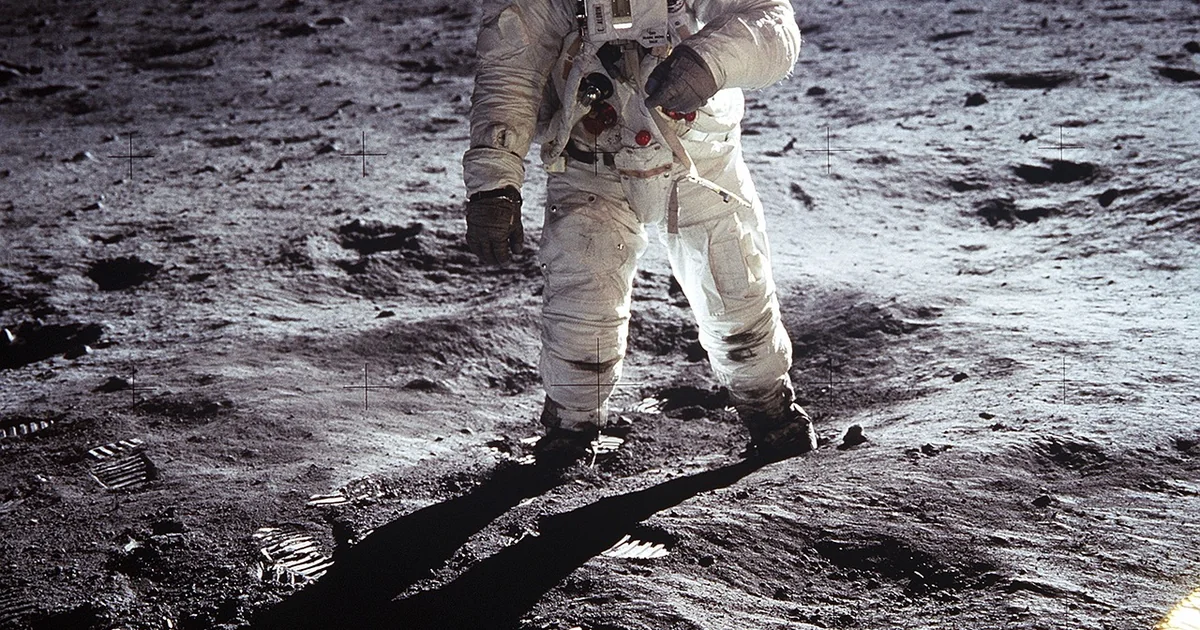
The heart of the issue lies in the complexity of the equipment required. A spacesuit is not merely a garment; it is a sophisticated, person-shaped spacecraft. It must manage internal pressure, provide constant thermal regulation, offer mobility in a pressurized environment, and withstand the abrasive, jagged nature of lunar regolith. Developing this level of hardware from scratch is a monumental engineering feat that rarely follows a predictable schedule.
For an aerospace engineering student, this situation serves as a masterclass in the difficulties of transitioning from legacy hardware to cutting-edge technology. It is one thing to iterate on existing designs, but it is quite another to invent an entirely new class of Extravehicular Mobility Units (EMUs) that can handle the specific, harsh conditions of the Moon’s south pole. The margin for error is non-existent, and as the OIG notes, there is currently very little schedule margin left to play with.
The Risk of Single-Source Dependency
One of the most striking revelations in the OIG report is the precarious nature of NASA’s current supply chain. In 2022, the agency awarded two massive contracts, totaling up to $3.1 billion, to both Axiom Space and Collins Aerospace. The intention was to foster competition and ensure that multiple providers could support the agency’s needs. However, the landscape changed significantly when Collins Aerospace exited the contract two years later.
This exit has left Axiom Space as the sole provider for the upcoming lunar missions. Relying on a single company to deliver such a vital component introduces a massive risk profile to the entire Artemis program. If a single provider encounters unforeseen technical hurdles, financial instability, or manufacturing delays, there is no “Plan B” provider ready to step in and fill the void. This creates a bottleneck where the success of a multi-billion dollar international mission rests on the shoulders of a single corporate entity.
From a procurement management perspective, this is a classic example of how high-stakes developmental projects can be undermined by shifting market dynamics. When a program moves from a competitive environment to a monopoly, the agency loses its primary lever for ensuring timely and cost-effective delivery. The pressure on Axiom Space to perform is immense, but so is the risk to the taxpayer if the project encounters friction.
The Limitations of the Service-Based Contracting Model
To understand why these delays are occurring, one must look at the fundamental shift in how NASA approaches procurement. In recent years, the agency has leaned heavily into a commercial services model. Instead of designing and owning the hardware themselves, NASA is essentially opting to rent the services provided by private companies. While this model worked exceptionally well for commercial crew and cargo transport to the International Space Station (ISS), the OIG suggests it may be ill-suited for the development of entirely new, unproven technology.
In a standard service contract, the provider delivers a finished product or service that meets specific requirements. However, when you are asking a company to invent something that has never existed before—like a highly mobile, lunar-optimized spacesuit—the line between “service” and “research and development” becomes blurred. The firm-fixed-price nature of these contracts can actually become a hindrance during the experimental phases of development.
If a company encounters a scientific roadblock, a fixed-price contract does not easily allow for the pivoting and massive capital injections required to solve complex physics problems. NASA Administrator Jared Isaacman has noted that this approach places a significant capital burden on providers. They are essentially asked to fund the heavy lifting of innovation while waiting for a single customer—NASA—to provide the demand that makes the investment viable.
Why ‘Renting’ Technology is Different from ‘Buying’ It
Imagine a business owner who needs a specialized delivery vehicle. They can either buy a truck and maintain it, or they can hire a logistics company to handle all deliveries. If the logistics company uses standard vans, the rental model is perfect. But what if the business owner needs a specialized, custom-built hovercraft that has never been manufactured? If they try to “rent” the hovercraft, the logistics company may struggle to justify the massive R&D costs required to build it if they don’t have other customers for it.
This is the exact dilemma facing the development of nasa lunar spacesuits. The “renting” model assumes a level of technological maturity that simply does not exist for lunar exploration. Because there is no secondary market for lunar spacesuits, Axiom Space is essentially building a product for a market of one. This lack of economies of scale makes the development process slower and more expensive than traditional government-led engineering projects.
To solve this, a more hybrid approach might be necessary. Instead of a pure service model, NASA could consider a model that combines direct investment in critical R&D with service-based contracts for the operational phase. This would allow the agency to share the financial risk of innovation while still benefiting from the efficiency of commercial operations once the technology is proven.
The Safety Imperative: Outdated Gear and High Stakes
The urgency of developing new suits is not just about meeting mission dates; it is about the fundamental safety of the astronauts currently in orbit. The spacesuits currently utilized on the International Space Station are more than 40 years old. While they have been meticulously maintained, they are reaching the end of their reliable lifespan. There have been instances where these aging systems have put crew members at risk, highlighting the vulnerability of relying on decades-old hardware.
You may also enjoy reading: 7 Best Best Buy Discount Codes for 60% Off Savings.
As the ISS nears its eventual decommissioning, the window for transitioning to new technology is closing. If the new lunar suits are delayed until 2031, NASA faces a dangerous period where they may have neither the old, reliable systems nor the new, advanced ones. This “equipment gap” is a nightmare scenario for mission planners who must balance the desire for lunar exploration with the absolute necessity of orbital safety.
The Technical Challenges of Lunar Environments
To appreciate why the new suits are taking so long, we have to look at the specific engineering hurdles that the ISS suits were never designed to handle. The Moon is a far more hostile environment than Low Earth Orbit (LEO). Several key factors make nasa lunar spacesuits much harder to build:
- Lunar Regolith: Moon dust is not like Earth dust. It is composed of tiny, jagged shards of volcanic glass and rock. It is highly abrasive and can cling to surfaces via electrostatic charges. It can grind down seals, clog joints, and degrade the fabric of a suit in a matter of hours.
- Thermal Extremes: On the Moon, temperatures can swing from roughly 127 degrees Celsius in the sun to minus 173 degrees Celsius in the shade. A suit must act as a high-performance thermos, maintaining a stable internal environment despite these violent shifts.
- Mobility Requirements: On the ISS, astronauts often perform tasks in a microgravity environment where they can use handrails for stability. On the Moon, they must walk, kneel, and bend over to collect samples. A suit that is too stiff becomes a prison, limiting the scientific output of the mission.
- Radiation Protection: Without the protection of a thick atmosphere, lunar explorers are exposed to much higher levels of solar and cosmic radiation. The suit must provide a layer of shielding without becoming so heavy that the astronaut cannot move.
Axiom Space claims to have addressed many of these issues, noting they have logged over 950 hours of crewed pressurized testing. They are also conducting thermal vacuum tests to simulate the lunar environment. However, the gap between laboratory testing and the actual lunar surface remains a significant leap of faith.
Potential Solutions and the Path Forward
How can NASA bridge the gap between its current reality and its 2028 ambitions? While the OIG report is a sobering warning, it also provides a roadmap for necessary adjustments. Addressing the suit delay requires a multi-pronged strategy involving contract reform, increased technical oversight, and perhaps a shift in mission priorities.
One immediate solution is to increase the “schedule margin” by diversifying the development approach. If Axiom Space is the primary developer, NASA could potentially fund a secondary, smaller-scale project to develop “contingency” hardware. While this wouldn’t replace a full-scale EMU, it might provide a way to conduct limited lunar surface operations if the primary suits face delays.
Furthermore, the agency should reconsider its stance on the commercial-only model for high-risk R&D. By moving toward a “cost-plus” contract for the initial development phase, NASA could incentivize companies to tackle the hardest engineering problems without the fear of bankruptcy caused by fixed-price constraints. Once the technology is mature and the risks are mitigated, the agency can then transition to a “firm-fixed-price” service model for routine operations.
Actionable Steps for Aerospace Stakeholders
For those involved in the management and execution of these missions, several steps can help mitigate the current risks:
- Implement Incremental Testing Milestones: Rather than waiting for a single “all-or-nothing” demonstration in 2027, NASA should mandate a series of smaller, incremental tests. This could include component-level testing for joints, seals, and thermal layers, providing early warning signs of failure.
- Enhance Supply Chain Transparency: NASA should require deeper visibility into the sub-tier suppliers used by Axiom Space. If a single specialized component manufacturer fails, the entire suit program could stall. Knowing the “suppliers of the suppliers” is critical for risk management.
- Develop Modular Suit Architectures: Designing suits with modular components could allow for easier upgrades and repairs. If a specific joint technology fails, a modular design would allow for that single part to be replaced without redesigning the entire suit.
The road to the Moon is paved with technical challenges that were once thought impossible. The delay in the development of nasa lunar spacesuits is a significant setback, but it is also an opportunity to refine the way we approach deep-space exploration. By learning from the pitfalls of current procurement models and embracing a more nuanced approach to commercial partnerships, NASA can ensure that when the astronauts finally step onto the lunar dust, they are protected by the best technology humanity has to offer.
The tension between the rapid pace of commercial innovation and the slow, methodical requirements of space safety is the defining challenge of the Artemis era. Whether the 2028 goal is met or the timeline shifts to 2031, the lessons learned during this period will shape the future of how we inhabit the solar system.