It’s a stark reminder that the rule of law is at risk, and the integrity of our democratic institutions is under siege. As the country teeters on the edge of a constitutional crisis, it’s essential to examine the implications of this development and the potential consequences for democracy.
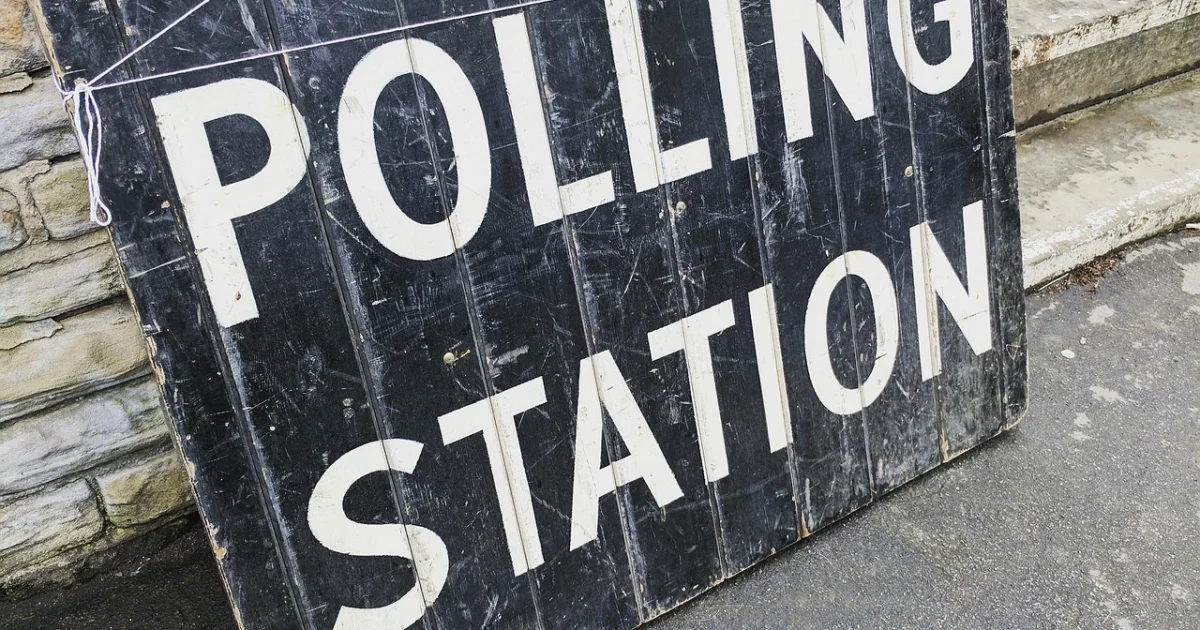
The Rise of Election Deniers
The past few years have seen a surge in election deniers, individuals who question the legitimacy of elections and often spread misinformation about voting processes. This phenomenon has been fueled by the divisive rhetoric of former President Trump, who repeatedly claimed that the 2020 presidential election was “stolen” from him. The consequences of this narrative have been far-reaching, emboldening election deniers and creating a toxic environment that undermines trust in the electoral system.
According to a recent study, the number of election deniers running for office has increased exponentially since 2020. This trend is particularly alarming, as these individuals often have a history of spreading misinformation and conspiracy theories about elections. The implications of this development are profound, as election deniers can potentially use their positions of power to undermine the integrity of elections and erode trust in the democratic process.
The Role of the Attorney General in Upholding Democratic Norms
The Attorney General plays a crucial role in upholding democratic norms and ensuring that the rule of law is respected. As the chief law enforcement officer of the federal government, the Attorney General is responsible for protecting the integrity of elections and preventing voter suppression. However, an election-denying Attorney General may use their office to undermine the electoral process, creating a constitutional crisis that threatens the very foundations of our democracy.
One of the key concerns is that an election-denying Attorney General may use their office to investigate and prosecute individuals who are perceived as “election interference.” This could include legitimate voters, election officials, or even journalists who are simply doing their job. The consequences of such actions would be catastrophic, as they would create a chilling effect on free speech and undermine the integrity of the electoral process.
The Impact on Voting Rights and Access
The appointment of an election-denying Attorney General would also have a devastating impact on voting rights and access. Election deniers often advocate for restrictive voting laws and policies that make it harder for certain groups to vote. This could include voter ID laws, proof-of-citizenship requirements, or even the elimination of early voting and mail-in ballots. The consequences of such actions would be far-reaching, as they would disproportionately affect marginalized communities and undermine the fundamental right to vote.
According to a recent report, the number of restrictive voting laws has increased significantly since 2020. This trend is particularly alarming, as these laws often have a disproportionate impact on communities of color, low-income individuals, and other marginalized groups. The implications of this development are profound, as they threaten to erode the very foundations of our democracy and undermine the principles of equality and justice.
What if the Next Attorney General Uses Their Office to Undermine Elections?
Imagine a scenario where the next Attorney General uses their office to investigate and prosecute individuals who are perceived as “election interference.” This could include legitimate voters, election officials, or even journalists who are simply doing their job. The consequences of such actions would be catastrophic, as they would create a chilling effect on free speech and undermine the integrity of the electoral process.
So, what can you do if you’re concerned about the potential erosion of democratic institutions? One step you can take is to educate yourself about the issues and stay informed about the latest developments. You can also get involved in your community by volunteering with local organizations that promote voting rights and election security. Additionally, you can contact your elected officials and express your concerns about the potential appointment of an election-denying Attorney General.
You may also enjoy reading: JetBlue Responds to Accusations of Using Surveillance Pricing Tactics After Viral Tweet….
How Do I Know If My Vote Will Be Counted Fairly in the Next Election?
As a voter, it’s natural to have concerns about the integrity of the electoral process. One way to ensure that your vote is counted fairly is to verify the accuracy of your voter registration information. You can do this by checking your voter registration status online or contacting your local election office. Additionally, you can look for information about voting security measures in your state, such as paper ballots, voter-verifiable paper records, or post-election audits.
Another way to ensure that your vote is counted fairly is to report any concerns or irregularities to the appropriate authorities. This could include reporting issues with voting machines, poll workers, or other election officials. You can also contact your local election office or state election officials to report any concerns or questions you may have.
Why Does the Attorney General’s Stance on Election Integrity Matter for My Community?
The Attorney General’s stance on election integrity matters for your community because it has a direct impact on the integrity of the electoral process. As the chief law enforcement officer of the federal government, the Attorney General is responsible for protecting the integrity of elections and preventing voter suppression. However, an election-denying Attorney General may use their office to undermine the electoral process, creating a constitutional crisis that threatens the very foundations of our democracy.
One way to ensure that the Attorney General’s stance on election integrity matters for your community is to stay informed about the latest developments. You can do this by following reputable news sources, attending community meetings, or contacting your elected officials. Additionally, you can get involved in your community by volunteering with local organizations that promote voting rights and election security.
Practical Solutions to Prevent Election Deniers from Undermining Democracy
So, what can you do to prevent election deniers from undermining democracy? One practical solution is to support legislation that promotes voting rights and election security. This could include bills that require paper ballots, voter-verifiable paper records, or post-election audits. You can also contact your elected officials and express your support for such legislation.
Another practical solution is to get involved in your community by volunteering with local organizations that promote voting rights and election security. This could include organizations that provide voter education, registration drives, or get-out-the-vote campaigns. You can also contact your local election office or state election officials to report any concerns or questions you may have.