Imagine sitting in your living room, carefully unboxing a high-tech piece of engineering that you have saved months of salary to afford. You power it on, eager to test the stabilization and the camera clarity, only to have your phone ring seconds later. On the other end is a local official, inquiring about the device in your hands. This isn’t a scene from a dystopian novel; for many residents in China’s capital, this has become a startling reality. The sudden shift in how urban airspace is managed has led to a palpable tension between technological enthusiasts and local authorities, creating a complex landscape for both consumers and manufacturers.
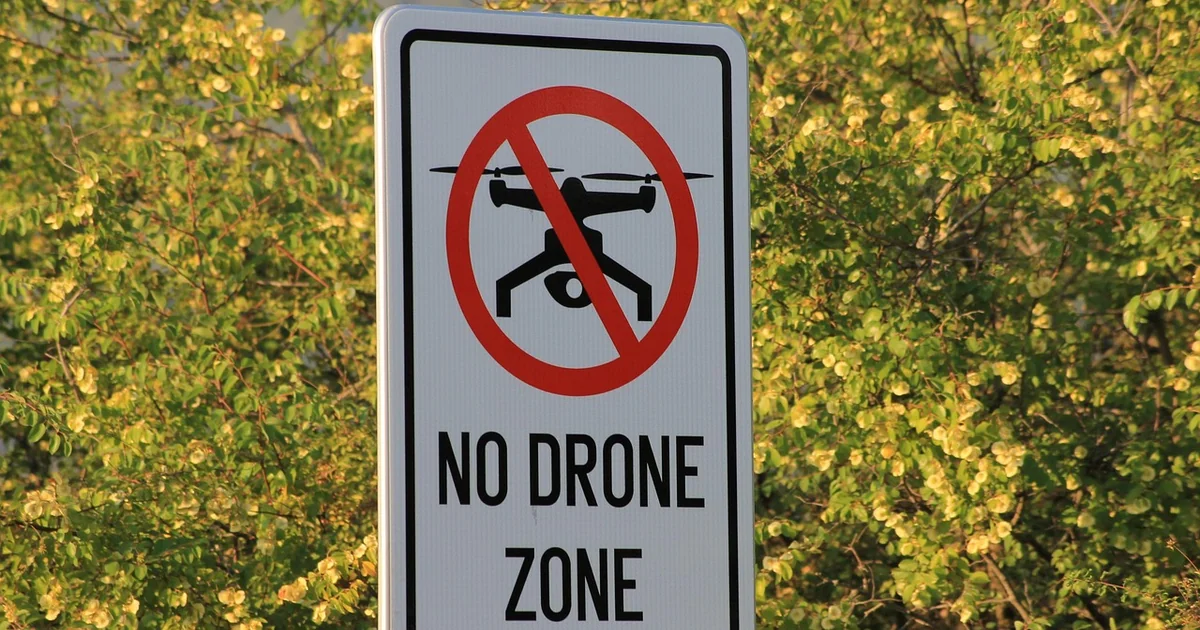
The Reality of the Beijing Drone Ban and Urban Enforcement
The atmosphere surrounding recreational flight in China’s capital has shifted from excitement to apprehension. While the world watches the rapid advancement of unmanned aerial vehicles (UAVs), a localized crackdown is sending ripples through the enthusiast community. The beijing drone ban on sales within the city limits represents a significant pivot in how urban centers manage the invisible highways of the sky.
Recent reports from residents suggest that enforcement has moved beyond simple signage and toward active monitoring. Some users have described receiving direct phone calls from law enforcement almost immediately after activating their devices. In more extreme instances, officers have reportedly conducted home visits to discuss older models that haven’t been flown in years. This level of scrutiny creates a psychological barrier for hobbyists, making the simple act of owning a gadget feel like a potential legal liability.
This “overzealous enforcement” does more than just prevent unauthorized flights; it alters the consumer mindset. When the cost of ownership includes the risk of an unexpected visit from the police, many potential buyers decide to stay on the ground. This creates a chilling effect that can stifle the growth of a technology sector, even when the underlying demand for the product remains high globally.
Why is Local Police Enforcement Becoming More Aggressive?
To understand why authorities are tightening the reins, one must look at the unique challenges of a megacity. Beijing is not just any metropolitan area; it is a massive hub of political significance and dense population. In such an environment, the risks associated with uncontrolled flight are magnified exponentially.
First, there is the issue of physical safety. A drone losing power or experiencing a software glitch over a crowded plaza or a busy highway can cause significant harm. Second, there is the concern regarding privacy. In a city where high-rise living is the norm, a hovering camera can feel like an intrusive eye into private lives. Finally, there is the matter of national security. Given the sensitive nature of various installations within the capital, the ability to monitor airspace with precision is a top priority for the government.
The transition from “allowing flight with permission” to “active enforcement and sales restrictions” suggests that the authorities are prioritizing risk mitigation over technological experimentation. While this may increase safety, it creates a friction point for the very people who drive the innovation of these tools.
Market Shifts: The Rise of the Secondary Market
One of the most telling indicators of a changing regulatory environment is not what is being sold, but what is being discarded. While retail outlets in the capital have seen a noticeable dip in new unit sales, a different trend is emerging in the digital marketplace. There is a growing discrepancy between the decline in new drone retail and the surge in secondhand listings.
When a new technology becomes difficult or intimidating to use due to local laws, consumers often look for ways to exit the market. This creates a surplus of used equipment. For a hobbyist, selling a drone on a secondary platform might be the only way to recoup some of the initial investment before the regulations tighten even further. For others, the rise in used listings might represent a way for new enthusiasts to enter the hobby at a lower cost, though they still face the same regulatory hurdles.
This shift signals a maturing, albeit frustrated, market. We are seeing a transition from a “growth and acquisition” phase to a “retention and liquidation” phase in specific geographic pockets. For investors, this is a critical signal. It shows that while the technology is still desired, the ease of access is being systematically removed in key urban centers.
How Regional Sales Bans Impact Global Manufacturers
It is easy to look at a major city like Beijing and assume a local ban will cause a global catastrophe for industry leaders. However, the economic reality is more nuanced. Companies like DJI, which holds a staggering 70% to 80% share of the global commercial drone market, operate on a scale that transcends any single city.
While the beijing drone ban might impact local revenue, Beijing represents only a small fraction of the total global demand. The vast majority of sales for these high-end machines come from international markets, agricultural sectors in rural provinces, and specialized commercial industries worldwide. Therefore, the direct financial hit to a global giant is likely to be manageable.
The real danger to manufacturers is not the loss of sales in one city, but the precedent of unpredictable regulation. If rules change overnight in one major hub, manufacturers worry about whether the same will happen in others. Stability is the currency of the tech industry; without it, long-term research and development investments become much harder to justify.
The Global Tug-of-War: US Regulations and DJI
While the situation in Beijing is characterized by local enforcement and urban management, the challenges facing Chinese drone manufacturers in the West are shaped by geopolitical tensions and trade policy. The United States represents the world’s largest commercial drone market, making it a vital territory for any company aiming for global dominance.
A significant development occurred on December 22, 2025, when the Federal Communications Commission (FCC) ruled that it would no longer authorize the sale of new foreign-made drone models. This decision effectively creates a barrier for American consumers looking to purchase the latest technology from leading Chinese brands. It is a move that shifts the battleground from local airspace management to international trade law.
In response, companies are turning to the legal system. DJI has filed an appeal with the US 9th Circuit Court of Appeals to challenge these restrictions. This legal battle is about more than just one company; it is a test case for how much influence a government can exert over the availability of foreign technology in its domestic market. The outcome of this appeal will likely dictate the future of the consumer electronics landscape for years to come.
The Difference Between a Crackdown and Regulation
It is essential to distinguish between a “crackdown” and “regulation.” A crackdown is often reactive, sudden, and aimed at suppressing an activity through force or strict prohibition. The recent experiences of Beijing residents, involving unannounced visits and immediate police contact, lean toward the feeling of a crackdown.
You may also enjoy reading: 5 IPC Lessons: Unix Sockets vs Pipes for Tauri Daemons.
Regulation, on the other hand, is a structured process. It involves setting clear boundaries, establishing licensing requirements, and providing a roadmap for how technology can be used safely and legally. Effective regulation provides predictability. If a pilot knows exactly which zones are restricted and what permits are required, they can operate with confidence.
The current tension arises because the line between these two concepts has become blurred. When enforcement feels arbitrary or sudden, it ceases to be a helpful guide for users and instead becomes a deterrent to innovation. The goal for any modern government should be to move toward standardized rules that allow technology to flourish within safe parameters.
Practical Solutions for Navigating Modern Drone Laws
For the hobbyist or the small business owner, the current climate can feel overwhelming. However, there are proactive steps that can be taken to mitigate risk and ensure compliance with evolving laws. Navigating these waters requires a shift from “impulse flying” to “strategic operation.”
Step-by-Step Compliance Strategy
If you find yourself living in an area with strict or unpredictable enforcement, consider the following approach to stay on the right side of the law:
- Audit Your Hardware: Before taking a device out, ensure it is updated with the latest firmware. Many modern drones have built-in “geofencing” software that automatically prevents flight in restricted zones. Keeping this software current is your first line of defense.
- Verify Local Ordinances Digitally: Do not rely on memory or old maps. Use official government apps or flight authorization platforms that provide real-time data on no-fly zones. Many cities now offer digital portals where you can request flight permits in advance.
- Document Your Intent: If you are flying for a legitimate purpose, such as real estate photography or agricultural monitoring, keep digital copies of your permits and identification on your person. Having a “paper trail” can de-escalate a situation with law enforcement.
- Join a Community of Practice: Connect with local drone clubs or professional associations. These groups often have the most up-to-date information on local enforcement trends and can provide collective advocacy if regulations become unreasonable.
Managing the Risks of Secondary Purchases
As the market for used drones grows, so do the risks associated with buying them. If you are looking to enter the hobby via the secondhand market, follow these safety steps:
First, always check the flight logs of a used device if possible. This can tell you if the drone has been pushed to its limits or if it has been involved in any significant incidents. Second, ensure the drone is not “region-locked” or blacklisted. Some manufacturers can remotely disable devices that have been reported lost or stolen, or those that are subject to specific regional bans.
Third, verify that the seller is providing all necessary components, especially the battery and the controller. A used drone is only as good as its power source, and older lithium-polymer batteries can become unstable if not maintained properly. Taking these precautions will help you navigate the shifting market with greater security.
The Future of Urban Airspace Management
Looking ahead, the tension between technological advancement and urban control is unlikely to disappear. Instead, we are likely to see a move toward more sophisticated, automated systems. The “manual” enforcement seen in some cities—where officers make phone calls or visit homes—is inefficient and difficult to scale.
The future likely lies in “Digital Airspace Management.” This involves integrating drone detection and identification systems directly into the city’s smart infrastructure. Imagine a system where drones automatically broadcast their identity and purpose to a central authority, and flight paths are managed by an AI-driven traffic control system, much like commercial aviation.
While this sounds futuristic, the foundations are being laid today. The current friction in places like Beijing may actually be the “growing pains” necessary to develop these more robust, standardized systems. By moving away from unpredictable enforcement and toward automated, transparent regulation, cities can eventually embrace the benefits of drone technology without sacrificing safety or privacy.
The evolution of the drone industry is a microcosm of the broader relationship between society and emerging technology. We are currently in a period of friction, where the speed of innovation is outpacing the development of the rules meant to govern it. However, as the industry matures and regulations become more predictable, the sky may eventually become much more open than it is today.