The financial landscape for one of the world’s most influential technology giants looks remarkably paradoxical right now. On one hand, the company recently announced a staggering March quarter revenue of $111.2 billion, fueled by a massive surge in demand for the latest iPhone models. On the other hand, a shadow is lengthening over the horizon as supply chain volatility threatens to disrupt this momentum. As Tim Cook prepares to transition into the role of executive chairman, a significant leadership shift is occurring just as the semiconductor market enters a period of intense turbulence. This intersection of executive succession and the looming apple chip shortage risks creates a complex puzzle for investors, consumers, and industry analysts alike.
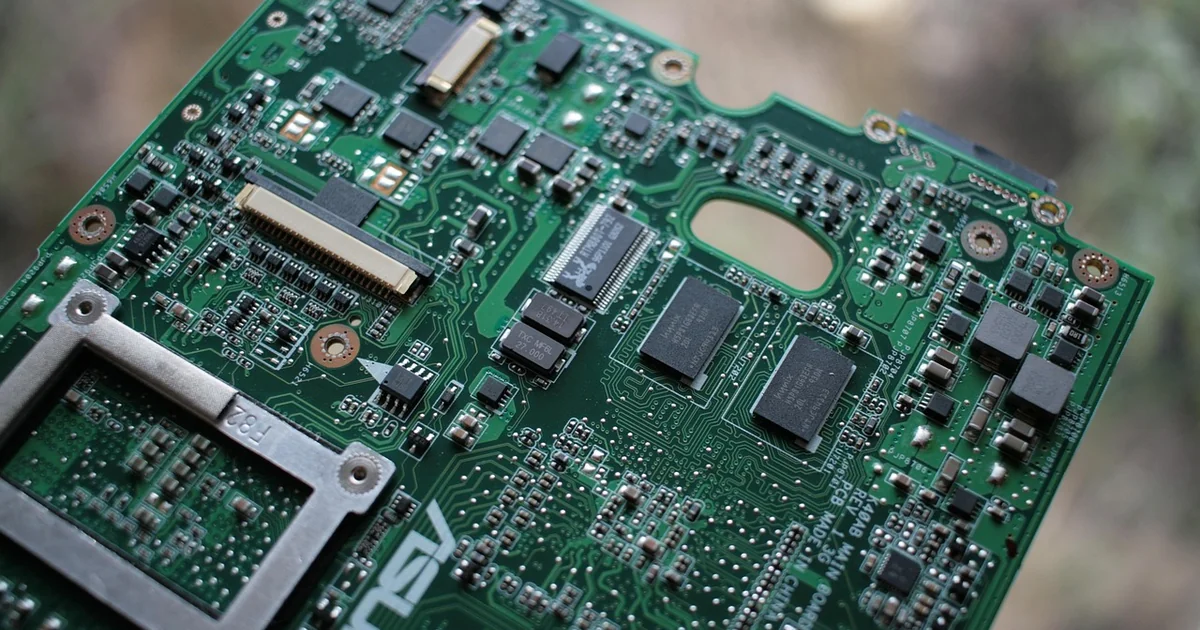
The Perfect Storm: Leadership Transition Meets Market Volatility
When a company of this magnitude undergoes a change at the very top, the timing is everything. John Ternus, the current senior vice president of hardware engineering, is slated to take the helm as CEO on September 1. While Ternus is a seasoned veteran with deep roots in the company’s hardware architecture, he is inheriting a landscape that is fundamentally different from the one Tim Cook navigated during the company’s most stable years. The transition from a master of supply chain logistics to a leader facing a fragmented component market is a daunting task.
The departure of a long-standing leader often brings a period of internal recalibration. Even with Cook remaining on as executive chairman to provide guidance, the shift in daily decision-making can create brief windows of uncertainty. For a company that relies on precision manufacturing and just-in-time inventory management, any hesitation in strategic direction could be costly. This is especially true when the external environment is shifting from a state of relative stability to one of aggressive competition for raw materials.
Consider the perspective of a technology investor watching these developments. The immediate concern isn’t just who is sitting in the corner office, but how that person will react to rising input costs. If the incoming leadership cannot stabilize margins in the face of skyrocketing component prices, the company’s legendary profitability could face its first real test in years. The intersection of a new CEO and a tightening chip market represents a period of high-stakes management that will define the next decade of the brand’s history.
The Rise of RAMageddon and Its Impact on Consumer Tech
The term RAMageddon has begun to circulate through the halls of Silicon Valley, and for good reason. We are witnessing a massive shift in how memory chips are allocated globally. For years, the primary consumers of high-performance memory were personal computers and enterprise servers. Today, however, the meteoric rise of generative artificial intelligence has changed the math entirely. AI models require immense amounts of high-bandwidth memory to function, and the companies building the massive data centers required to power these models are buying up supply with unprecedented speed.
This voracious appetite from the AI sector is creating a ripple effect that hits consumer electronics hard. When the largest players in the tech industry pivot their purchasing power toward AI-specific hardware, the leftover supply for smartphones, tablets, and laptops becomes more expensive and harder to secure. It is a classic case of demand outstripping the capacity of the global semiconductor fabrication plants to respond. This isn’t just a temporary hiccup; it is a fundamental shift in the hierarchy of component importance.
Reports suggest that RAM costs have reportedly quadrupled in some sectors, a figure that sends shockwaves through hardware engineering departments. For a company like Apple, which integrates its own custom silicon with third-party memory components, this price surge is a direct hit to the bottom line. While the company was able to use stockpiled inventory to buffer the costs during the recent record-breaking quarter, that buffer is finite. Once those reserves are depleted, the true impact of these apple chip shortage risks will be felt in the quarterly earnings reports.
How AI Demand Siphons Resources from Mobile Devices
To understand why your next smartphone might be more expensive, you have to look at the massive server farms being built in various corners of the globe. These facilities are the engines of the AI revolution, and they require specialized memory modules that share much of the same manufacturing lineage as the RAM found in your iPhone. When a manufacturer like Samsung or SK Hynix receives a massive order for AI-optimized memory, the production lines are optimized for that specific, high-margin product. This can lead to a slowdown in the production of the standard memory chips used in consumer devices.
This creates a competitive environment where consumer hardware is essentially fighting for scraps against the multi-billion dollar AI industry. It is an asymmetrical battle. The sheer scale of capital being deployed into AI infrastructure means that the demand for memory is no longer cyclical; it is structural. This structural change is what makes the current shortage so much more dangerous than the supply chain hiccups seen during the previous few years.
The Mathematical Reality of Quadrupled Costs
When a component cost quadruples, the math for a hardware manufacturer becomes incredibly difficult. If a memory module previously cost $10 as part of a device’s bill of materials, it might now cost $40. On a single device, that might seem manageable, but when you are producing tens of millions of units, that difference represents billions of dollars in lost profit. This is the “storm cloud” that Tim Cook has been warning about. It is a direct threat to the gross margins that have long been the hallmark of the company’s financial success.
Unpacking the 7 Primary Apple Chip Shortage Risks
As the company moves into this new era of leadership, several distinct vulnerabilities have emerged. These risks are not isolated; they are interconnected, meaning a failure in one area can trigger a cascade of problems across the entire product ecosystem.
1. Margin Compression and Profitability Pressure
The most immediate risk is the direct impact on the company’s gross margins. For years, the brand has maintained an industry-leading ability to command high prices while keeping production costs relatively controlled. However, as memory costs soar, that control slips. If the cost of goods sold (COGS) rises significantly due to the apple chip shortage risks, the company faces a difficult choice: absorb the cost and see profits drop, or pass the cost to the consumer and risk slowing down sales volume.
This is particularly dangerous during a period of economic uncertainty. If consumers are feeling the pinch of inflation, a sudden price hike on a premium device like the iPhone 17 could lead to a noticeable dip in upgrade cycles. The delicate balance between luxury branding and mass-market accessibility is being tested by the sheer physics of semiconductor pricing.
2. Product Launch Delays and Inventory Gaps
A shortage of a single critical component can halt an entire assembly line. Even if the company has every other part ready—the screens, the cameras, the titanium frames—the absence of sufficient RAM can prevent a device from being completed. This creates a massive logistical headache. Imagine a scenario where a highly anticipated product is announced, but the company has to tell customers that shipping is delayed by months because of a component shortage.
Such delays do more than just hurt immediate revenue; they damage brand trust. In the high-end consumer market, availability is a key part of the experience. If a customer wants the latest technology and cannot get it, they may look toward competitors who managed to secure their supply chains more effectively. The ability to hit precise launch windows is a cornerstone of the company’s marketing machine, and supply volatility threatens to break that machine.
3. Reduced Hardware Flexibility and Innovation Lag
When components are scarce, engineers are often forced to design around what is available rather than what is ideal. This can lead to a phenomenon known as “design stagnation.” If a specific type of high-speed memory is unavailable, the engineering team might have to settle for a slightly older or less efficient version to ensure the product can actually be manufactured. While this might solve the immediate supply problem, it can lead to a product that is technically inferior to what was originally envisioned.
This creates a long-term risk to the company’s reputation for cutting-edge innovation. If the hardware specifications start to feel “safe” or “conservative” because the supply chain cannot support more ambitious designs, the brand’s competitive edge in the premium segment could begin to dull. The tension between maintaining high demand and managing shrinking supply chain flexibility is a constant battle for the incoming leadership.
4. Increased Vulnerability to Geopolitical Volatility
The semiconductor industry is deeply intertwined with global politics. Most of the world’s most advanced chip manufacturing takes place in a very small number of geographic locations, primarily in East Asia. Any geopolitical tension in these regions can immediately disrupt the flow of components. When you combine this existing geopolitical risk with the current apple chip shortage risks, you get a compounding effect.
A company that is already struggling to secure enough memory due to AI demand is even less equipped to handle a sudden trade war or a regional conflict that shuts down key fabrication plants. The concentration of supply in specific regions means that there is very little room for error. Diversifying the supply chain is a long-term project that requires years of investment, and it cannot be done overnight to solve a sudden shortage.
You may also enjoy reading: How Apple Leads the Satellite Smartphone Market with 5 Uses.
5. Competitive Disadvantage in the AI Race
There is a profound irony in the current situation. While the AI boom is causing the chip shortage, it is also creating the very technology that will define the next generation of computing. If the company cannot secure the necessary high-performance memory to power its own on-device AI features, it risks falling behind in the most important technological race of the decade. The ability to run sophisticated AI models locally on a smartphone or a laptop is a major differentiator.
If competitors who are more heavily invested in the AI infrastructure space manage to secure a more stable supply of specialized chips, they could leapfrog the company in terms of software capabilities. The shortage doesn’t just affect the cost of the hardware; it affects the intelligence of the hardware. This is a strategic risk that goes far beyond simple accounting.
6. Escalating R&D Costs for Custom Silicon
To combat these types of shortages, the company has increasingly turned to designing its own custom silicon. This is a brilliant long-term strategy because it allows for tighter integration and better efficiency. However, it is an incredibly expensive and risky path. Designing, verifying, and manufacturing custom chips requires billions of dollars in research and development and a massive team of highly specialized engineers.
As the complexity of these chips increases to meet the demands of AI, the R&D costs continue to climb. If the company is forced to accelerate its custom silicon roadmap to bypass traditional supply chain bottlenecks, it will put even more pressure on its capital expenditures. This creates a high-stakes environment where the company must constantly innovate just to stay ahead of its own supply chain limitations.
7. Consumer Sentiment and Brand Loyalty Erosion
Finally, there is the human element. The brand has built a massive “moat” of customer loyalty, but even the most loyal customers have a breaking point. If a series of price increases, coupled with product shortages and perceived delays in innovation, all hit at once, the brand’s relationship with its user base could change. Consumers might start to view the company less as a premium innovator and more as a struggling legacy player trying to pass on its costs.
This is a slow-moving risk, but it is perhaps the most dangerous. Once brand perception shifts from “aspirational” to “expensive and unreliable,” it is incredibly difficult to reverse. The incoming CEO will need to manage not just the balance sheets and the supply chains, but the very emotion and trust that the brand is built upon.
Practical Strategies for Navigating the Component Crisis
While the risks are significant, they are not insurmountable. Managing a global supply chain in a period of volatility requires a shift from reactive management to proactive, multi-layered strategies. For a company of this scale, there are several ways to mitigate the impact of these apple chip shortage risks.
Diversifying the Supplier Base and Geographic Footprint
The most effective way to combat regional volatility is to ensure that no single point of failure exists. This means investing heavily in manufacturing facilities in different parts of the world, such as India, Vietnam, or the United States. While building these facilities is a massive capital undertaking, it provides a level of insurance that is invaluable during a global crisis. A diversified footprint allows the company to shift production volumes between regions depending on local stability and component availability.
Investing in Long-Term Supply Agreements
In a market where demand is skyrocketing, being a “customer of opportunity” is not enough. The company must move toward long-term, multi-year supply agreements that guarantee capacity even when the market is tight. This often involves making significant upfront payments or investing directly in the expansion of a supplier’s fabrication plants. While this ties up capital, it provides the predictability that is essential for long-term product planning.
Advancing Circular Economy and Recycling Initiatives
One of the most overlooked solutions to component shortages is the recovery of existing materials. By improving the technology used to reclaim rare earth metals and high-grade silicon from older devices, the company can create a secondary, internal supply of materials. This not only helps mitigate the impact of external shortages but also aligns with growing consumer demand for sustainable and environmentally friendly technology. A robust recycling program turns yesterday’s waste into tomorrow’s components.
Enhancing Software Optimization to Reduce Hardware Demand
If memory is scarce, the most efficient way to handle it is to use less of it. This is where the company’s strength in software integration becomes a massive advantage. By developing more efficient operating systems and more highly optimized applications, the company can ensure that its devices perform brilliantly even with more modest memory configurations. This “software-first” approach to hardware constraints can turn a potential weakness into a competitive advantage, allowing the company to maintain a high-quality user experience without needing to rely solely on the most expensive, high-bandwidth components.
The transition from Tim Cook to John Ternus marks a pivotal moment in the history of the tech industry. As the company navigates the complexities of the AI-driven memory market and the inherent risks of leadership change, its ability to adapt will determine its future. While the storm clouds of the apple chip shortage risks are real, the company’s deep resources and history of innovation suggest it has the tools necessary to weather the coming volatility.