The line between digital experimentation and criminal negligence has become dangerously thin in the era of generative artificial intelligence. When a 40-year-old man decided to play with sophisticated image synthesis tools, he likely didn’t anticipate that a single fake wolf sighting would trigger a massive mobilization of national emergency services. What began as a misguided attempt at humor ended in a high-stakes investigation that diverted precious resources away from a genuine ecological crisis, proving that the consequences of digital deception are increasingly tangible and severe.
The High Stakes of Wildlife Reintroduction
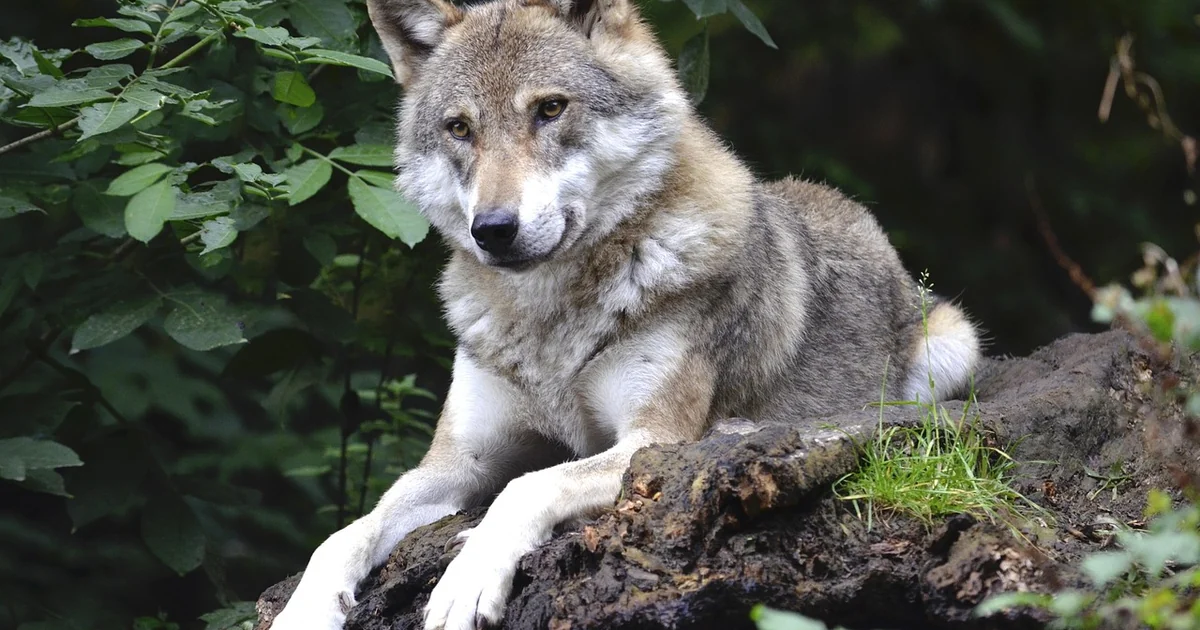
To understand why a single image caused such a massive uproar, one must look at the biological significance of the animal involved. The subject of the search was Neukgu, a two-year-old wolf who escaped from a zoo in Daejeon, South Korea. While a single animal escaping might seem like a localized issue, Neukgu represents something far more profound: the hope of a species. He is a third-generation descendant involved in a meticulous, years-long project aimed at bringing wolves back to the South Korean landscape.
The historical context here is vital. Native South Korean wolves were declared extinct in the wild during the 1960s. This loss created a biological vacuum that conservationists have been working tirelessly to fill through controlled breeding and reintroduction programs. Because the genetic lineage is so carefully managed, the loss of a single individual like Neukgu isn’t just an animal welfare issue; it is a setback for the entire scientific mission to restore biodiversity to the peninsula.
The urgency of the situation reached the highest levels of government. President Lee Jae Myung emphasized the importance of the mission, promising that rescue teams would prioritize the safety and well-being of the wolf. This level of political and scientific investment meant that every second of the search counted. When a fake wolf sighting was introduced into this high-pressure environment, it did more than just confuse people; it actively sabotaged a national conservation priority.
The Anatomy of a Digital Deception
The incident unfolded when an AI-generated image began circulating on social media, appearing to show the escaped wolf at a busy urban intersection. In an age where smartphone cameras are ubiquitous, the image looked authentic enough to bypass the initial skepticism of many viewers. The visual fidelity provided by modern generative models makes it incredibly difficult for the untrained eye to distinguish between a captured moment of reality and a mathematical approximation of one.
The impact was immediate. The Daejeon city government, acting on the perceived threat to public safety, issued emergency text alerts to residents. These alerts are designed to trigger immediate behavioral changes, such as staying indoors or avoiding certain routes. Consequently, police officers, veterinarians, and drone operators were redirected to the area depicted in the fraudulent photo. This diversion created a vacuum in the actual search zones, potentially allowing the real Neukgu to move further away from the rescue teams.
This scenario highlights a growing challenge for modern society: the weaponization of “fun” or “pranks” through AI. When a user creates content that mimics a real-world emergency, they are not just participating in a digital subculture; they are interacting with the physical infrastructure of public safety. The transition from a digital pixel to a dispatched police cruiser is shorter than ever before.
Legal Consequences and the “Just for Fun” Defense
Upon his arrest, the suspect offered a defense that has become increasingly common in the digital age: he did it “for fun.” This claim, however, fails to account for the concept of foreseeable harm. In many legal jurisdictions, if a person’s actions—even if not intended to cause specific harm—create a high probability of chaos or the misuse of public resources, they can be held liable for the resulting disruption.
The suspect is currently facing a potential sentence of up to five years in prison or a significant fine of approximately $6,700. The prosecution’s goal is to demonstrate that the creation and dissemination of the fraudulent image directly obstructed an official investigation. This is a critical legal distinction. It is one thing to create a funny image of a wolf; it is quite another to create an image that mimics a real-time emergency, thereby triggering a state-funded response.
This case serves as a landmark precedent for how digital forensics will be used to police AI-generated misinformation. Authorities were able to track the suspect by combining traditional methods, such as reviewing security camera footage, with modern digital investigation techniques, including the analysis of AI tool usage records. This suggests that the “anonymity” often associated with digital mischief is a vanishing illusion.
The Challenges of Distinguishing Reality from Simulation
For law enforcement professionals and emergency responders, the rise of AI-generated imagery presents a daunting new hurdle. In the past, eyewitness accounts and photographic evidence were the gold standards of situational awareness. Today, those same tools can be used to manufacture false narratives that are indistinguishable from reality.
How can authorities maintain the speed of response necessary for emergencies while also implementing the skepticism required to avoid being misled? This is the central tension of modern crisis management. If responders wait too long to verify an image, they lose precious time. If they act too quickly on unverified content, they risk wasting millions of dollars and diverting essential personnel away from real threats.
One emerging solution involves the implementation of digital watermarking and cryptographic signatures for authentic media. If camera manufacturers and news agencies adopt protocols that “sign” an image at the moment of capture, it becomes much easier for authorities to verify the provenance of a photo. However, until such standards are universal, the burden of verification remains a heavy weight on the shoulders of emergency services.
Practical Steps for Navigating the Age of AI Deception
As we move further into an era where seeing is no longer believing, both individuals and organizations must adopt new strategies to protect themselves from the fallout of AI-generated content. Whether you are a concerned citizen, a wildlife enthusiast, or a professional in the public sector, there are actionable steps to mitigate these risks.
You may also enjoy reading: Sleeper Extensions Bring GlassWorm Malware Attacks Back.
For the General Public: Developing Digital Literacy
The most effective defense against misinformation is a skeptical and informed public. We must move away from the “instant share” culture and toward a “verify then share” mindset. This doesn’t mean becoming a conspiracy theorist, but rather practicing a form of digital hygiene.
When you encounter a shocking or high-stakes image on social media, ask yourself these questions:
- Is the source verified? Does the image come from an official government account or a reputable news organization, or is it from an anonymous user?
- Are there visual inconsistencies? Look closely at the edges of objects, the lighting, and the way textures interact. AI often struggles with complex shadows or the fine details of hair and fur.
- Is there corroborating evidence? If a wolf is at a major intersection, are there multiple videos from different angles, or is there just one single, suspiciously perfect photo?
For Organizations: Implementing Verification Protocols
Government agencies and non-profits must build “verification layers” into their emergency response workflows. This means that an emergency alert should not be triggered by a single social media post, regardless of how convincing it looks. Instead, protocols should require a minimum level of multi-source corroboration before a public-facing alert is issued.
Furthermore, agencies can benefit from investing in AI-detection software. Just as we use AI to generate content, we can use AI to analyze it. Specialized tools can scan images for the mathematical patterns and “fingerprints” left behind by generative models, providing a rapid assessment of whether a photo is likely to be synthetic.
For Conservationists: Protecting the Narrative
Wildlife reintroduction programs are particularly vulnerable to misinformation because they often involve high-profile, charismatic species. To combat this, conservation groups should maintain a highly active and transparent digital presence. By providing regular, verified updates and high-quality, authentic footage of their animals, they can create a “baseline of reality” that makes it harder for fake content to take root.
The Intersection of Technology and Ecology
The case of Neukgu and the man who attempted to prank the nation is a sobering reminder of how the digital and biological worlds are now inextricably linked. We are no longer living in two separate spheres; our digital actions have immediate, physical consequences for the natural world and the species we are trying to save.
The effort to revive the South Korean wolf is a beautiful example of human ingenuity and our desire to repair the damage we have done to the planet. It is a mission defined by patience, scientific rigor, and long-term thinking. To have that mission disrupted by a fleeting moment of digital mischief is a tragedy of the modern age. It highlights a fundamental mismatch between the speed of technological advancement and the speed of human social and legal evolution.
As we continue to develop more powerful AI tools, we must also develop more robust social and legal frameworks to manage them. The five-year prison sentence facing the suspect is a signal that society is beginning to draw a line in the sand. We are learning that in a world of infinite digital possibilities, the most important thing we can protect is the truth.
The struggle to protect Neukgu is not just about one wolf; it is about our ability to manage the complex, overlapping realities of the 21st century. Whether we are restoring an extinct species or responding to a public emergency, our success depends on our ability to distinguish the real from the manufactured.