The landscape of the American power grid is undergoing a seismic transformation that few could have predicted a decade ago. As we move through 2026, the momentum behind clean energy is no longer just a steady climb; it has become a vertical surge. We are witnessing a fundamental realignment of how electricity is produced, stored, and distributed across the nation. This shift is driven by a combination of plummeting technology costs, aggressive infrastructure deployment, and a massive influx of utility-scale projects that are rapidly displacing traditional thermal generation. The sheer velocity of this transition is reshaping economic forecasts and energy security strategies alike.
The Accelerating Pace of Renewable Energy Capacity Growth
If you look at the data from the previous year, the speed of change was impressive. However, the current trajectory suggests that we have entered a new era of exponential expansion. The renewable energy capacity growth seen in the current cycle is nearly 75% faster than the additions recorded during the preceding twelve-month period. This isn’t just a marginal improvement; it is a complete acceleration of the energy transition. While the previous year laid the groundwork, 2026 is proving to be the year where the heavy lifting of decarbonization actually hits the grid in massive, measurable increments.
For an investor or a policy analyst, this acceleration is a signal of market maturity. The industry is moving past the “early adopter” phase and into a period of massive industrial scaling. This means that the supply chains for silicon, lithium, and steel are being reconfigured to meet a demand that is growing at a rate that outpaces almost every other sector in the utility space. This rapid expansion is not happening in a vacuum; it is a response to a growing realization that the old ways of generating power are becoming both economically and environmentally obsolete.
One of the most striking aspects of this surge is how it compares to the growth of traditional energy sources. In the early months of 2026 alone, the growth rate of renewables was triple that of all other energy sources combined. This disparity highlights a growing gap in the energy market. As more capital flows into wind, solar, and storage, the traditional fossil fuel sector finds itself in a defensive posture, struggling to maintain relevance in a market that is increasingly favoring low-marginal-cost, carbon-free electrons.
1. The Solar Dominance and Utility-Scale Expansion
Solar power is currently the undisputed heavyweight champion of the energy transition. As we look toward early 2027, solar capacity is projected to add over 42,600 MW to the US grid. This massive influx is expected to push solar’s share of the total utility-scale generating capacity from roughly 12.7% to over 15.5%. This is not merely about adding more panels; it is about the deployment of much larger, more efficient utility-scale solar farms that can power entire municipalities. The economics of solar have reached a tipping point where, in many regions, it is now the cheapest form of new electricity generation available.
This rapid solar expansion presents its own set of unique challenges, particularly regarding land use and grid interconnection. When you build a project of this scale, you aren’t just installing hardware; you are navigating complex local zoning laws and environmental impact studies. To solve these bottlenecks, developers are increasingly turning to “agrivoltaics”—the practice of co-locating solar panels with agricultural production. This allows farmers to continue using their land for crops or grazing while simultaneously generating renewable energy, effectively solving the land-use conflict through innovative design.
Furthermore, the sheer volume of solar being added requires a massive upgrade to transformer technology and substation capacity. To manage this, engineers are implementing advanced smart inverters that can provide ancillary services to the grid, such as voltage regulation. By treating solar plants as active participants in grid stability rather than passive contributors, the industry is overcoming the historical criticism that solar is too intermittent to be reliable.
2. The Surge in Battery Energy Storage Systems
Perhaps the most critical component of the current energy shift is the explosive growth in battery technology. Utility-scale battery energy storage is expected to undergo a staggering 51.4% increase, growing from approximately 44,630 MW to over 67,549 MW. This surge is the “missing link” that makes the massive growth in solar and wind viable. Without this storage capacity, the grid would struggle to handle the variability of weather-dependent power. Batteries allow us to capture the excess energy produced during peak sunlight or windy periods and release it when demand peaks or the sun goes down.
The primary challenge with this storage boom is the supply chain for critical minerals like lithium, cobalt, and nickel. As demand skyrockets, the industry faces the risk of price volatility and geopolitical bottlenecks. A practical solution being implemented by major energy players is the shift toward “Long-Duration Energy Storage” (LDES) technologies. While lithium-ion is excellent for short-term shifts (2-4 hours), technologies like iron-flow batteries or thermal energy storage are being developed to provide discharge capabilities lasting 10 to 100 hours, ensuring the grid remains stable even during multi-day weather events.
Moreover, the integration of these batteries requires sophisticated software platforms. We are seeing a rise in “Virtual Power Plants” (VPPs), where distributed battery assets are coordinated by AI to act as a single, massive utility-scale battery. This decentralized approach reduces the need for massive, expensive physical infrastructure upgrades and empowers local communities to participate in the energy market.
3. Wind Energy and the Rise of Offshore Frontiers
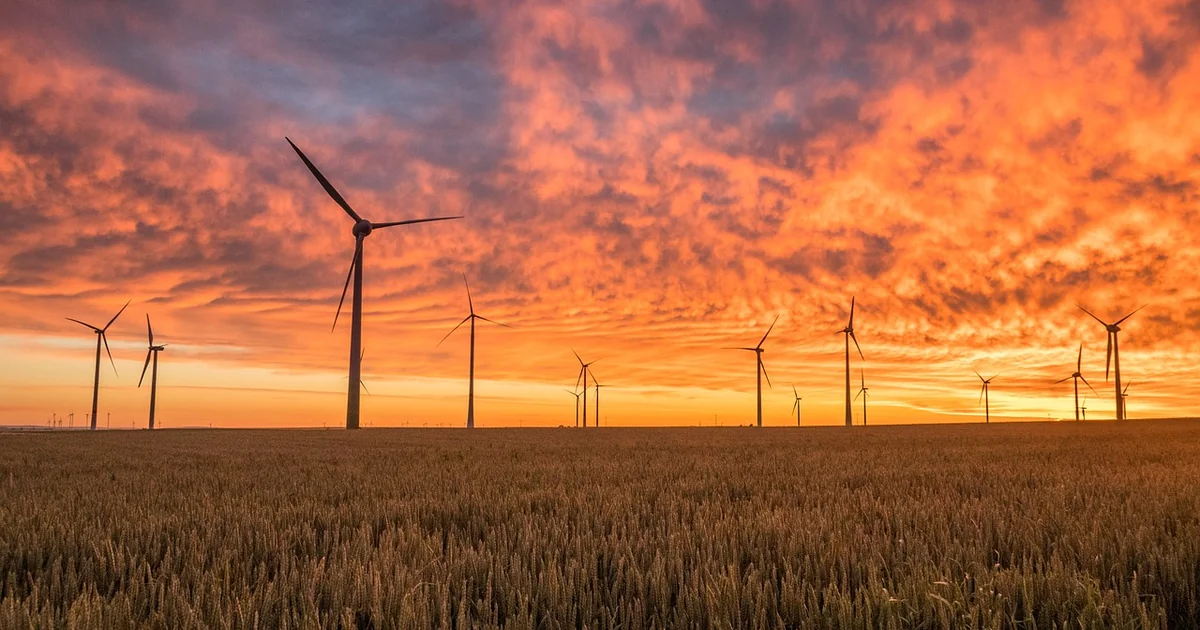
Wind energy continues to be a cornerstone of the renewable mix, with projected growth of over 14,500 MW. While onshore wind has long been a staple of the American energy landscape, 2026 is seeing a significant pivot toward the ocean. A notable portion of this growth—over 4,100 MW—is expected to come from new offshore wind projects. Offshore wind offers a much higher capacity factor than onshore wind because ocean breezes are stronger and more consistent, making it a much more reliable source of “baseload-like” renewable energy.
However, offshore wind is not without its hurdles. The engineering required to install massive turbines in deep, turbulent waters is incredibly complex and expensive. Additionally, the transmission of power from far out at sea to the coastal population centers requires the construction of high-voltage direct current (HVDC) subsea cables. To address these costs, governments and private entities are investing in specialized “wind installation vessels” and standardized modular turbine designs that can be mass-produced, much like the aerospace industry, to drive down the levelized cost of energy (LCOE).
By diversifying the wind portfolio to include both stable onshore sites and high-output offshore zones, the grid achieves a much better balance. This geographic and technological diversity helps mitigate the risk of sudden drops in wind production, providing a more resilient and predictable stream of electricity to the national grid.
4. The Shrinking Footprint of Fossil Fuel Generation
As the renewable sector expands, the dominance of traditional fossil fuels is visibly waning. Projections indicate that total fossil fuel and nuclear capacity will see a net decline of nearly 5 GW by early 2027. Specifically, natural gas, which has long served as the primary “bridge fuel” for the energy transition, is seeing its share of the generating capacity drop from 40.0% to 38.3%. This is a clear indicator that the era of gas-fired peaking plants is being challenged by the combined might of solar, wind, and battery storage.
The decline of fossil fuels creates a significant economic challenge for regions that have historically relied on coal or gas for jobs and tax revenue. The transition can feel sudden and disruptive to local economies. To manage this, a “Just Transition” framework is essential. This involves state and federal investments in retraining fossil fuel workers for roles in the renewable sector, such as wind turbine technicians, solar installers, or battery chemists. By aligning the skills of the existing workforce with the needs of the new energy economy, we can prevent the economic decay of traditional energy hubs.
From a technical standpoint, the reduction in thermal generation means the grid must become much more flexible. Traditional plants provided “inertia”—a physical stability provided by large spinning turbines. As these plants retire, grid operators are implementing “synthetic inertia” through advanced power electronics in renewable inverters. This allows the grid to maintain frequency stability using digital means rather than mechanical ones, ensuring that the decline of fossil fuels does not lead to a decline in reliability.
You may also enjoy reading: Porsche Sells Bugatti Stake as Electric Aspirations Fade.
5. The Hidden Impact of Small-Scale Solar Growth
While much of the headlines focus on massive utility-scale projects, there is a quiet revolution happening on rooftops and in small commercial installations. Small-scale solar capacity has already reached over 60,000 MW, and its influence on the total energy mix is profound. If small-scale solar continues its current growth trajectory, it could push the total renewable energy share of installed capacity to nearly 40%. This would mean that nearly one-fifth of all US capacity could be powered by solar alone.
The challenge with distributed solar is “the duck curve”—a phenomenon where solar production peaks at midday, creating a surplus that can actually strain the grid, followed by a massive ramp-up requirement in the evening when solar drops off. To solve this, the next phase of small-scale solar involves the integration of “behind-the-meter” storage. Homeowners are increasingly installing residential battery systems that allow them to store their own solar energy for evening use. This reduces the strain on the central grid and provides individual consumers with greater energy independence.
Furthermore, the rise of “community solar” programs is democratizing access to renewable energy. These programs allow renters or people with shaded roofs to subscribe to a local solar farm, receiving credits on their utility bills. This expands the reach of renewable energy capacity growth beyond just those who own homes, making the transition a more inclusive and widespread phenomenon.
6. Diversifying the Mix with Hydropower and Geothermal
While solar and wind grab most of the attention, a truly resilient grid requires a diverse portfolio of renewable sources. Hydropower and geothermal energy are playing increasingly important roles in stabilizing the mix. In early 2026, we saw significant growth in hydropower, which provides a highly predictable and controllable source of renewable energy. Unlike solar or wind, hydro can be adjusted almost instantly to meet changes in demand, making it an ideal partner for more variable renewables.
Geothermal energy is also seeing a resurgence, particularly through “Enhanced Geothermal Systems” (EGS). Traditional geothermal is limited to specific volcanic regions, but EGS uses drilling techniques borrowed from the oil and gas industry to create artificial reservoirs in hot rock elsewhere. This could potentially unlock geothermal energy almost anywhere, providing a constant, 24/7 source of carbon-free power that functions much like a traditional coal or gas plant but without the emissions.
The integration of these “baseload renewables” is essential for the long-term decarbonization of the power sector. By combining the high-output, variable nature of solar and wind with the steady, controllable nature of hydro and geothermal, we create a “multi-layered” energy system. This diversity reduces the total amount of battery storage required and provides multiple layers of redundancy, making the entire grid more robust against extreme weather or technical failures.
7. The Integration of Smart Grid Technology and AI
The final, and perhaps most transformative, shift is the move from a “dumb” grid to a “smart” grid. The massive influx of renewable energy capacity growth is too complex for traditional management methods. We are moving toward a system where Artificial Intelligence (AI) and machine learning are used to predict weather patterns, manage demand, and optimize the flow of electricity in real-time. This level of automation is necessary to coordinate millions of individual solar panels, batteries, and electric vehicles into a cohesive, functioning whole.
One of the primary problems with the current grid is its “one-way” nature; power traditionally flows from a large plant to the consumer. In the new era, power flows in many directions. An electric vehicle might feed power back into the grid during a peak period, or a smart water heater might delay its operation until wind production is at its highest. This “demand-side management” turns consumers into active participants in grid stability.
To implement this, we need a massive rollout of advanced metering infrastructure (AMI) and IoT-enabled devices. While this raises valid cybersecurity concerns, the solution lies in “zero-trust” architecture and blockchain-based energy trading platforms. These technologies can ensure that every transaction—whether it’s a homeowner selling solar power to a neighbor or a utility managing a fleet of batteries—is secure, transparent, and automated. This digital layer is what will ultimately allow the renewable-dominated grid of 2027 to function with even greater reliability than the fossil-fuel-based grid of the past.
The transition we are witnessing is not just a change in fuel sources; it is a complete reimagining of the relationship between technology, the environment, and the consumer. As the numbers for 2026 and 2027 continue to roll in, it is becoming increasingly clear that the renewable energy revolution is not just coming—it has already arrived and is accelerating at an unprecedented pace.