The recent news regarding the sudden closure of a planned tourist attraction in Florida has sent shockwaves through the wildlife conservation community. Reports have emerged detailing a harrowing sequence of events where dozens of animals perished due to systemic failures in facility preparation and environmental management. This incident, which has been widely discussed under the search term sloths died orlando, highlights the extreme risks involved when exotic species are moved into unprepared environments. The tragedy serves as a grim reminder of the delicate balance required to maintain the life of tropical mammals in non-native climates.
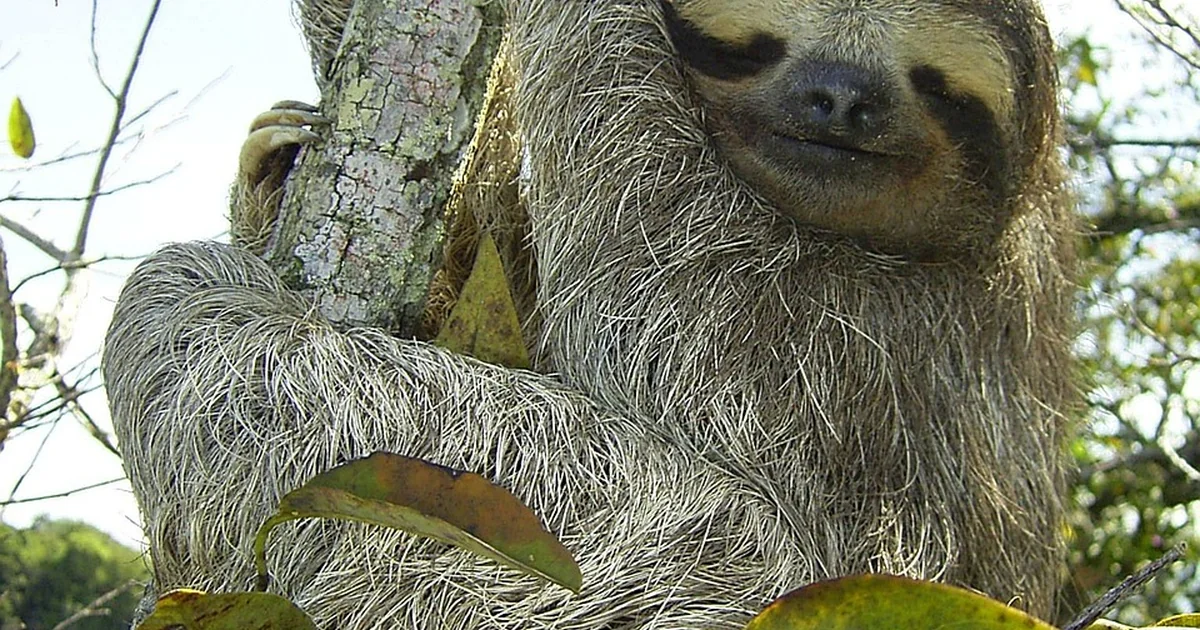
The Breakdown of Environmental Controls in Exotic Animal Housing
When managing specialized wildlife, the margin for error is virtually non-existent. Tropical species, such as the two-toed and three-toed varieties, have evolved over millions of years to thrive in specific humidity and temperature ranges. Even a momentary lapse in these conditions can lead to physiological collapse. In the case of the recent facility investigation, the lack of basic infrastructure like running water and consistent electricity created a high-risk scenario before the animals even arrived on site.
The reliance on temporary solutions, such as using extension cords to power space heaters, demonstrates a fundamental misunderstanding of industrial-scale animal husbandry. When a single fuse trips, the entire life-support system for these sensitive creatures fails. For a species that cannot rapidly adjust its metabolic rate to compensate for a sudden drop in ambient temperature, such a failure is often fatal. This specific incident underscores the necessity of redundant power systems and permanent, built-in climate control mechanisms in any facility housing exotic fauna.
The Biological Vulnerability of Tropical Mammals
To understand why the sloths died orlando, one must first understand the thermoregulation challenges faced by these animals. Unlike many mammals that can shiver or increase metabolic activity to generate heat, sloths have an incredibly low metabolic rate. This adaptation, which helps them survive on a low-calorie diet of leaves, makes them exceptionally vulnerable to cold stress. When their body temperature drops, their digestion can actually stall, leading to a lethal cycle of malnutrition and physical decline.
Furthermore, humidity plays a critical role in their respiratory and skin health. A dry environment can lead to rapid dehydration, a condition observed in the survivors transferred to accredited zoos. When the moisture levels in the air drop, the mucous membranes in their respiratory tracts can dry out, making them more susceptible to the very viruses the facility owners claimed were responsible for the deaths. The intersection of low temperature and low humidity creates a “perfect storm” for biological failure.
Analyzing the Logistics of International Wildlife Transport
Moving animals across international borders from regions like Guyana and Peru to the United States involves a complex web of legal, biological, and logistical hurdles. Every hour spent in transit is a period of high stress for the animal. The logistics of international animal transport impact animal health by introducing variables such as fluctuating cabin temperatures, noise stress, and the potential for rapid shifts in diet and water availability.
A successful transport operation requires more than just a plane ticket; it requires a seamless transition from the transport container to a fully operational, climate-controlled enclosure. If the receiving facility is not ready—lacking even basic utilities like water—the animals are immediately placed in a state of physiological crisis. This gap between arrival and proper care is where many high-profile wildlife tragedies occur.
Standard Requirements for Commercial Wildlife Facilities
For a facility to be considered safe for exotic animals, it must meet rigorous standards that go far beyond standard commercial building codes. These standards typically include:
- Redundant Power Supplies: The use of backup generators is mandatory to ensure that climate control systems remain active during power outages.
- Automated Environmental Monitoring: Systems that provide real-time data on temperature and humidity, with instant alerts sent to staff if parameters shift.
- Water Infrastructure: Permanent, reliable access to clean water for both hydration and maintaining ambient humidity levels.
- Biosecurity Protocols: Strict controls to prevent the introduction of pathogens during the movement of animals between different geographic regions.
Addressing the Regulatory Oversight Gap
One of the most controversial aspects of this case is the level of regulatory response. The fact that a significant number of deaths occurred over several months before an unannounced inspection uncovered the situation raises questions about the efficacy of current oversight. While the Florida Fish and Wildlife Conservation Commission (FWC) eventually intervened, the delay in detection allowed a pattern of neglect to persist.
For animal welfare advocates, the verbal warning issued without fines or citations feels insufficient given the scale of the loss. This highlights a challenge in wildlife regulation: how to balance the promotion of new educational attractions with the strict enforcement of animal welfare laws. Without significant financial or legal consequences for negligence, there is little incentive for new facilities to invest in the expensive, redundant systems required to keep tropical animals safe.
How Unannounced Inspections Protect Wildlife
Unannounced inspections are a vital tool in the arsenal of wildlife agencies. They allow officials to see the true, day-to-day operating conditions of a facility rather than a “staged” version prepared for a scheduled visit. In a high-functioning facility, an inspector should see staff following strict cleaning protocols, checking temperature logs, and monitoring animal behavior. In a failing facility, an inspector might find inadequate housing, poor sanitation, and a lack of proper nutrition, as was reportedly the case in this instance.
Practical Solutions for Responsible Exotic Animal Management
To prevent future tragedies of this nature, both facility owners and regulatory bodies must adopt more stringent, proactive measures. The following steps provide a framework for responsible management of sensitive species:
1. Implement Multi-Layered Climate Redundancy
Never rely on a single source of heat or a single electrical circuit. Facilities should utilize dual-circuit heating systems and have industrial-grade backup generators that trigger automatically the moment a power fluctuation is detected. Relying on extension cords for life-support equipment is a fundamental breach of safety protocols.
You may also enjoy reading: BYD Upgrades Top Selling EV With 5-Minute Flash Charging.
2. Establish Rigorous Pre-Arrival Readiness Audits
Before any shipment of animals is authorized, a third-party audit should confirm that all life-support systems—electricity, water, filtration, and climate control—are fully operational and have been tested under load. Animals should never arrive at a facility that is still “under construction” or lacking basic utilities.
3. Prioritize Accredited Veterinary Oversight
Facilities should have a standing contract with an accredited zoo or specialized exotic animal veterinarian. Regular, scheduled health checks can identify issues like dehydration or weight loss long before they become critical, allowing for intervention before mass mortality occurs.
4. Adopt Transparent Reporting Standards
When animal mortality occurs, facilities should be required to provide detailed necropsy reports to state agencies immediately. This transparency helps determine if a death was truly due to an “undetectable virus” or if it was a result of environmental mismanagement, providing a clearer picture for future regulatory decisions.
The Human and Ethical Dimensions of Wildlife Tourism
Beyond the biological and legal aspects, there is a profound ethical question regarding the commercialization of exotic animals. When animals are brought in primarily for “display” or “tourist attraction,” the focus can easily shift from their welfare to their profitability. The goal of any facility should be education and conservation, but as seen in this case, the pressure to open to the public can lead to dangerous shortcuts.
For the local community and the general public, these incidents damage the reputation of the wildlife tourism industry. When a facility fails so spectacularly, it creates skepticism toward all animal-based attractions. Rebuilding that trust requires a commitment to transparency and a demonstrated adherence to the highest possible standards of care.
The Role of the Conservation Community
Organizations like the Sloth Conservation Foundation play a crucial role in monitoring the welfare of these species globally. By providing updates and advocating for better practices, they act as a watchdog for animals that cannot speak for themselves. The transfer of surviving animals to accredited institutions like the Central Florida Zoo and Botanical Gardens is a vital step in ensuring that the remaining individuals receive the specialized care they need to recover from the trauma of their recent environment.
The recovery of the thirteen rescued sloths is a small silver lining in a dark story. Their ability to show signs of improvement under professional veterinary care proves that with the right environment, these animals can overcome significant physiological setbacks. However, the cost of that recovery—the loss of thirty-one lives—is a price that should never have been paid.
Ultimately, the lessons learned from this tragedy must be integrated into how we regulate, transport, and house exotic wildlife. Protecting these slow-moving, gentle creatures requires more than just good intentions; it requires rigorous infrastructure, uncompromising oversight, and a deep respect for the biological realities of the species we seek to share with the world.