When it comes to 3D printing, enthusiasts and hobbyists often overlook the potential of creating their own accessories. By leveraging the power of 3D printing, individuals can design and manufacture a wide range of accessories that not only enhance their printing experience but also save them money in the long run.
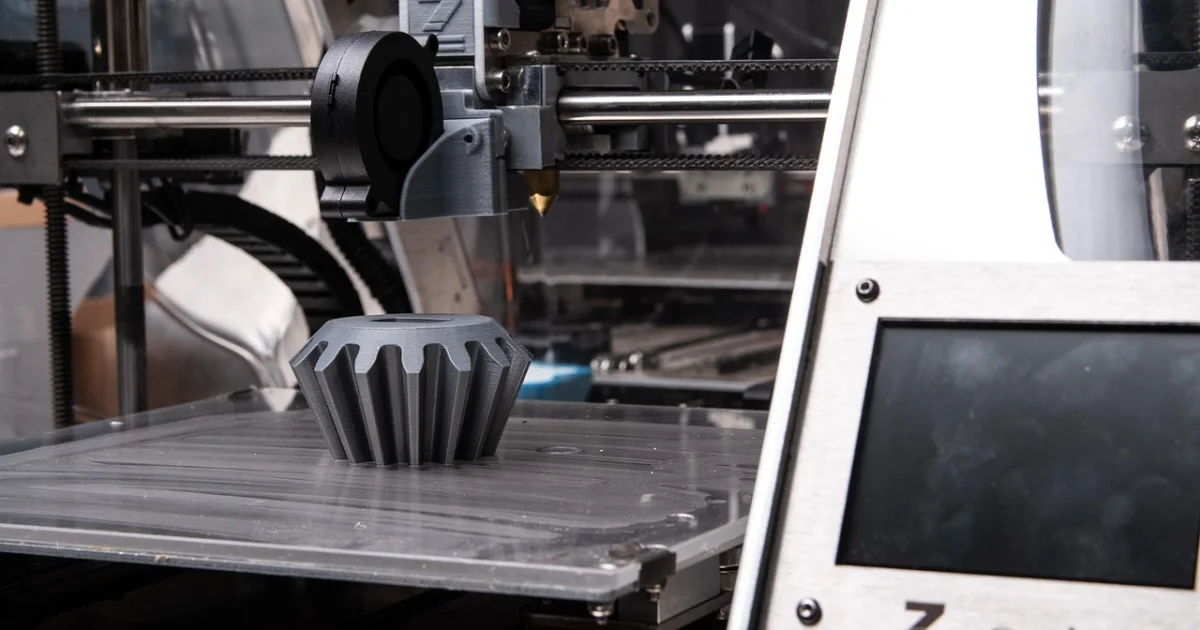
Exploring DIY Alternatives
One of the primary advantages of 3D printing your own accessories is the ability to customize them to your specific needs. Whether you’re looking to upgrade your printer’s performance or create unique decorations for your workspace, DIY accessories offer a level of flexibility that mass-produced alternatives simply can’t match.
Printing Your Own Printer Cables
One of the most common accessories that can be 3D printed is printer cables. These cables are used to connect your printer to your computer or other devices, and they can be prone to tangling and damage. By printing your own printer cables, you can create a custom solution that fits your specific needs and reduces the risk of damage.
To print your own printer cables, you’ll need to design a custom cable management system that takes into account the specific dimensions and requirements of your printer. This can be done using specialized software such as Tinkercad or Fusion 360, which allow you to create custom designs and models.
Once you have your design, you can print the cables using a high-quality 3D printing material such as PLA or ABS. Make sure to adjust the print settings to ensure that the cables are strong and durable enough to withstand the rigors of regular use.
Designing Custom Printer Cases
Another 3D printer accessory that can be printed at home is a custom printer case. These cases are designed to protect your printer from dust, debris, and other environmental factors that can damage your equipment. By printing your own printer case, you can create a custom solution that fits your specific printer model and provides the level of protection you need.
To design a custom printer case, you’ll need to take into account the specific dimensions and requirements of your printer. This includes the size and shape of the printer, as well as any specific features or components that need to be accommodated.
Once you have your design, you can print the case using a high-quality 3D printing material such as PLA or ABS. Make sure to adjust the print settings to ensure that the case is strong and durable enough to withstand the rigors of regular use.
Cost-Effective Solutions
One of the primary advantages of 3D printing your own accessories is the ability to save money in the long run. By creating your own accessories, you can avoid the high costs associated with purchasing mass-produced alternatives. This can be especially beneficial for hobbyists and enthusiasts who are on a limited budget.
Printing Your Own Printer Vents
One of the most common accessories that can be 3D printed is printer vents. These vents are designed to improve airflow and reduce the risk of overheating, which can damage your printer and compromise its performance. By printing your own printer vents, you can create a custom solution that fits your specific printer model and provides the level of airflow you need.
To print your own printer vents, you’ll need to design a custom vent system that takes into account the specific dimensions and requirements of your printer. This can be done using specialized software such as Tinkercad or Fusion 360, which allow you to create custom designs and models.
Once you have your design, you can print the vents using a high-quality 3D printing material such as PLA or ABS. Make sure to adjust the print settings to ensure that the vents are strong and durable enough to withstand the rigors of regular use.
Designing Custom Printer Brackets
Another 3D printer accessory that can be printed at home is a custom printer bracket. These brackets are designed to hold your printer in place and provide a stable surface for printing. By printing your own printer bracket, you can create a custom solution that fits your specific printer model and provides the level of stability you need.
You may also enjoy reading: "BMW Revolutionizes Electrification with 7-Model Lineup, Including the Groundbreaking i7….
To design a custom printer bracket, you’ll need to take into account the specific dimensions and requirements of your printer. This includes the size and shape of the printer, as well as any specific features or components that need to be accommodated.
Once you have your design, you can print the bracket using a high-quality 3D printing material such as PLA or ABS. Make sure to adjust the print settings to ensure that the bracket is strong and durable enough to withstand the rigors of regular use.
Printer Customization
One of the primary advantages of 3D printing your own accessories is the ability to customize your printer to your specific needs. By creating your own accessories, you can tailor your printer to perform specific tasks or functions, such as printing with different materials or at different temperatures.
Printing Your Own Printer Heaters
One of the most common accessories that can be 3D printed is printer heaters. These heaters are designed to heat the print bed to the optimal temperature for printing, which can improve the quality and consistency of your prints. By printing your own printer heaters, you can create a custom solution that fits your specific printer model and provides the level of heat you need.
To print your own printer heaters, you’ll need to design a custom heater system that takes into account the specific dimensions and requirements of your printer. This can be done using specialized software such as Tinkercad or Fusion 360, which allow you to create custom designs and models.
Once you have your design, you can print the heaters using a high-quality 3D printing material such as PLA or ABS. Make sure to adjust the print settings to ensure that the heaters are strong and durable enough to withstand the rigors of regular use.
Designing Custom Printer Enclosures
Another 3D printer accessory that can be printed at home is a custom printer enclosure. These enclosures are designed to protect your printer from dust, debris, and other environmental factors that can damage your equipment. By printing your own printer enclosure, you can create a custom solution that fits your specific printer model and provides the level of protection you need.
To design a custom printer enclosure, you’ll need to take into account the specific dimensions and requirements of your printer. This includes the size and shape of the printer, as well as any specific features or components that need to be accommodated.
Once you have your design, you can print the enclosure using a high-quality 3D printing material such as PLA or ABS. Make sure to adjust the print settings to ensure that the enclosure is strong and durable enough to withstand the rigors of regular use.