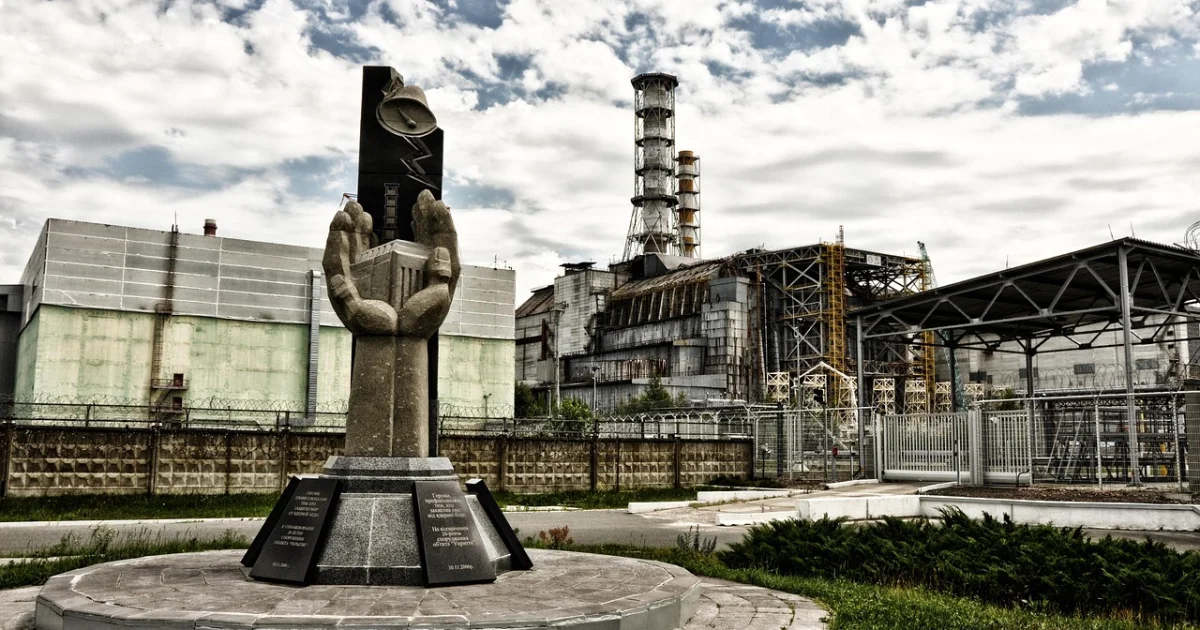
Imagine a place where the harsh realities of nuclear disasters and the unforgiving natural environment converge. The Chernobyl Exclusion Zone, a 30-kilometer radius surrounding the site of the 1986 nuclear disaster, is a realm of eerie landscapes and lethal radiation levels. In this unforgiving environment, a peculiar project has been unfolding – the installation of homemade weather stations by Yury Ilyin. This article will delve into the world of Chernobyl’s weather stations, exploring the challenges, motivations, and practical aspects of such a project.
Salvaging Materials for Environmental Monitoring
Yury’s innovative approach to building his weather stations is rooted in a commitment to sustainability and minimizing waste. By using salvaged laptop battery cells, he has not only reduced electronic waste but also demonstrated the potential for creative problem-solving in environmental monitoring. The selection of salvaged 18650 lithium cells, in particular, allows the stations to run for an extended period without the need for frequent replacements. This choice also reflects Yury’s dedication to reducing electronic waste and promoting a more circular economy.
Why Salvaged Cells Instead of New Ones?
Yury’s decision to opt for salvaged cells is not merely a matter of cost-effectiveness; it’s also a testament to his resourcefulness. The use of salvaged cells eliminates the need for purchasing new ones, which would not only be more expensive but also contribute to the already substantial electronic waste problem. By repurposing old cells, Yury demonstrates a commitment to reducing waste and promoting a more sustainable approach to environmental monitoring.
The Benefits of Open-Source Hardware
Yury’s use of open-source hardware is a significant aspect of his project. By leveraging platforms like GitHub, he can tap into a vast community of developers and researchers who contribute to the development of open-source hardware. This approach allows him to access cutting-edge technology, collaborate with experts, and refine his designs without the constraints of proprietary software or hardware. Open-source hardware also enables the sharing of knowledge and resources, fostering a collaborative environment that is essential for environmental monitoring and research.
Building a Network of Weather Stations
Yury’s dedication to creating a network of weather stations in the Chernobyl Exclusion Zone has provided valuable insights into the environmental conditions within the area. By tracking the decline of radioactive emissions and monitoring local weather patterns, his stations have made significant contributions to our understanding of this unique environment. The network of weather stations has also allowed Yury to refine his designs, addressing challenges such as signal loss, power consumption, and durability.
Challenges in the Chernobyl Exclusion Zone
Installing weather stations in the Chernobyl Exclusion Zone comes with its set of unique challenges. The harsh environment, with its extreme temperatures, radiation levels, and isolation, demands robust and reliable designs. Yury’s stations have faced issues such as signal loss due to the vast distance between stations, power consumption, and the need for frequent maintenance. However, by using salvaged materials and open-source hardware, he has been able to overcome these challenges and create a reliable network of weather stations.
Practical Applications and Future Directions
The implications of Yury’s project extend beyond the Chernobyl Exclusion Zone. His use of salvaged materials and open-source hardware offers a model for sustainable and cost-effective environmental monitoring. The data collected by his weather stations has contributed to our understanding of the effects of nuclear disasters and the importance of environmental monitoring in extreme environments. As Yury continues to refine his designs and expand his network, he opens up new possibilities for environmental research and monitoring.
Replicating Yury’s DIY Weather Stations
For readers interested in replicating Yury’s DIY weather stations, it’s essential to consider the challenges and opportunities presented by the Chernobyl Exclusion Zone. While the project may seem daunting, the rewards of environmental monitoring and contributing to scientific research make it an attractive option. By leveraging open-source hardware and salvaged materials, readers can create their own weather stations, applying the lessons learned from Yury’s project to their own environmental monitoring endeavors.
Environmental Monitoring in Extreme Environments
Yury’s project highlights the importance of environmental monitoring in extreme environments. The Chernobyl Exclusion Zone offers a unique opportunity to study the effects of nuclear disasters and the resulting environmental conditions. However, similar challenges and opportunities exist in other extreme environments, such as deserts, Arctic regions, or areas affected by natural disasters. By adapting Yury’s approach to these environments, researchers and environmentalists can gain valuable insights into the complexities of these ecosystems.
Building a Community Around Environmental Monitoring
Yury’s project has attracted the attention of researchers and environmentalists worldwide. By sharing his designs and experiences, he has created a community around environmental monitoring and sustainable development. This community can learn from Yury’s successes and challenges, adapting his approaches to suit their own projects and environments.
Addressing Challenges in Environmental Monitoring
Environmental monitoring in extreme environments like the Chernobyl Exclusion Zone raises unique challenges. Addressing these challenges requires creativity, resourcefulness, and a commitment to sustainability. Yury’s project demonstrates the potential for innovation and collaboration in environmental monitoring, offering practical solutions to the challenges faced by researchers and environmentalists.
13 DIY Weather Stations in the Chernobyl Exclusion Zone
1. Solar-Powered Radioactivity Sensors
Yury’s weather stations in the Chernobyl Exclusion Zone are equipped with solar-powered radioactivity sensors, which provide real-time data on radiation levels. These sensors are particularly useful in areas where traditional monitoring equipment may be impractical or unreliable.
2. Low-Power Communication Modules
Yury’s use of low-power communication modules has enabled his weather stations to transmit data over long distances, even in areas with limited cellular coverage. This technology has been crucial in establishing a reliable network of weather stations in the Chernobyl Exclusion Zone.
3. Durability and Maintenance
Yury’s weather stations have been designed to withstand extreme temperatures, radiation levels, and harsh weather conditions. Regular maintenance is crucial to ensure the reliability of these stations and the accuracy of the data they collect.
4. Open-Source Hardware and Software
Yury’s commitment to open-source hardware and software has enabled him to collaborate with a community of developers and researchers, refining his designs and accessing cutting-edge technology.
You may also enjoy reading: "7 Surprising Reasons You Actually Need AI Agent Memory to Work Smarter".
5. Salvaged Materials and Sustainability
The use of salvaged materials in Yury’s weather stations has reduced electronic waste and promoted a more circular economy. This approach has also helped to minimize costs and increase the sustainability of the project.
6. Environmental Monitoring in Extreme Environments
Yury’s project has highlighted the importance of environmental monitoring in extreme environments like the Chernobyl Exclusion Zone. This research has implications for areas affected by natural disasters, deserts, and other extreme environments.
7. Community Engagement and Education
Yury’s project has attracted a community of researchers and environmentalists interested in environmental monitoring and sustainable development. By sharing his designs and experiences, Yury has promoted education and awareness about the importance of environmental monitoring.
8. Addressing Challenges in Environmental Monitoring
Yury’s project has demonstrated the potential for innovation and collaboration in environmental monitoring. By addressing challenges such as signal loss, power consumption, and durability, Yury has created a reliable network of weather stations in the Chernobyl Exclusion Zone.
9. Collaboration and Knowledge-Sharing
Yury’s commitment to open-source hardware and software has enabled collaboration and knowledge-sharing with a community of researchers and developers. This approach has accelerated the development of environmental monitoring technologies and promoted a culture of sustainability.
10. Sustainability and Cost-Effectiveness
Yury’s use of salvaged materials and open-source hardware has reduced costs and promoted a more sustainable approach to environmental monitoring. This approach has also minimized electronic waste and promoted a more circular economy.
11. Environmental Research and Monitoring
Yury’s project has contributed significantly to our understanding of the effects of nuclear disasters and the importance of environmental monitoring in extreme environments. His research has implications for areas affected by natural disasters, deserts, and other extreme environments.
12. Community-Led Environmental Monitoring
Yury’s project has demonstrated the potential for community-led environmental monitoring initiatives. By sharing his designs and experiences, Yury has promoted education and awareness about the importance of environmental monitoring and sustainability.
13. Distributed Sensor Networks for Environmental Monitoring
Yury’s network of weather stations in the Chernobyl Exclusion Zone has demonstrated the potential for distributed sensor networks in environmental monitoring. This approach can be applied to other extreme environments, providing valuable insights into the complexities of these ecosystems.