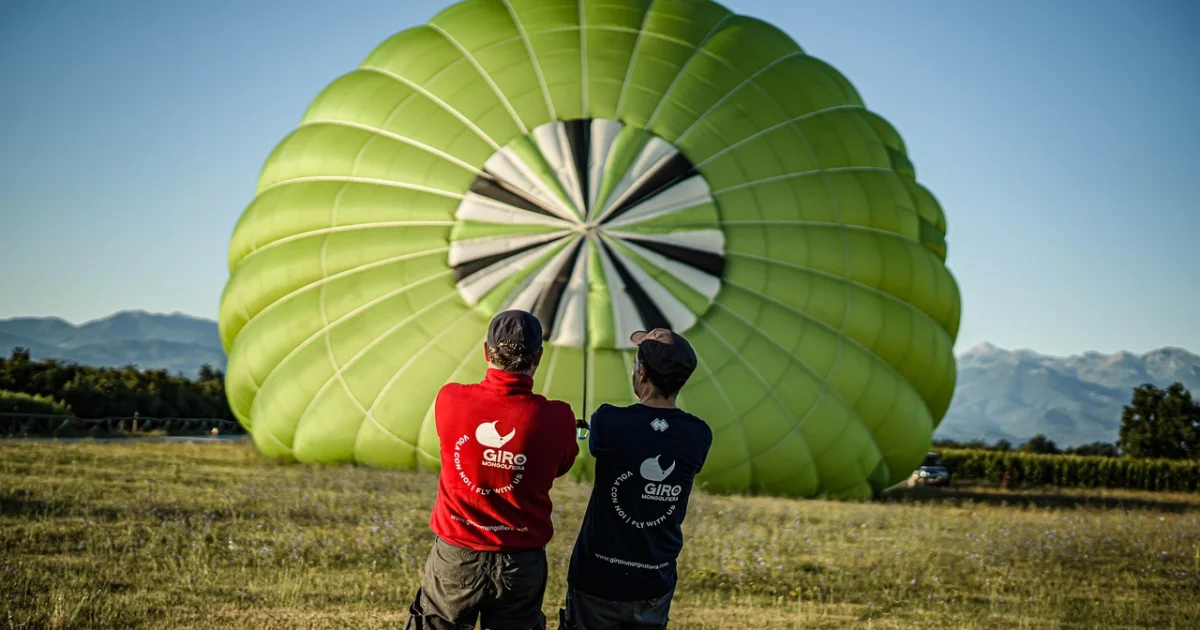
Imagine waking up to the surprise of a hot air balloon landing in your backyard. It’s a scenario that sounds like the stuff of movies, but for the Perrin family of Temecula, California, it was all too real. A hot air balloon belonging to Magical Adventures Balloon Rides landed in their property, leaving them and the pilot with a unique and unforgettable experience. As we explore this rare occurrence, we’ll delve into the reasons why it’s a very rare event and what homeowners can do to prepare for such an unexpected situation.
Why Hot Air Balloon Landings are Extremely Rare
Hot air balloons are designed to soar through the skies, taking in breathtaking views and offering a unique perspective on the world below. However, they are also subject to the whims of the wind and weather, which can make their flight paths unpredictable. In the case of the Perrin family’s backyard landing, the pilot was forced to make an emergency landing due to a lack of wind and fuel. This highlights the delicate balance between safety and the unpredictable nature of hot air balloon flight.
The Science Behind Hot Air Balloon Flight
Hot air balloons work by using hot air to fill the balloon, causing it to rise. Conversely, when the hot air cools, the balloon descends. This simple principle is what allows pilots to control the altitude of the balloon, but it also means that they are at the mercy of the wind when it comes to direction. In the case of the Perrin family’s landing, the pilot was unable to control the balloon’s direction due to a lack of wind, leading him to land in the nearest suitable location.
Ensuring Your Property is Safe from Hot Air Balloon Landings
So, what can homeowners do to ensure their property is safe from hot air balloon landings? Here are a few steps you can take:
- Be aware of local hot air balloon flight paths and schedules. This can help you anticipate when and where balloons are likely to be flying over your area.
- Secure any vulnerable areas of your property, such as garden furniture or outdoor decorations, to prevent damage from a potential landing.
- Consider installing a net or other protective device over any areas of your property that are particularly vulnerable to damage.
- Be prepared for the possibility of a hot air balloon landing on your property by having a plan in place for what to do in the event of an emergency.
Real-World Scenarios: What to Do if a Hot Air Balloon Lands in Your Backyard
Let’s consider a few real-world scenarios to illustrate the importance of being prepared for a hot air balloon landing:
Scenario 1: A Large Property with a Spacious Backyard
Imagine you own a large property with a spacious backyard. You’ve been considering hosting hot air balloon rides on your land, but you’re not sure if it’s a good idea. In this scenario, you’ll need to weigh the potential benefits of hosting balloon rides against the potential risks to your property and the surrounding area.
You may also enjoy reading: Disney's Recent Layoffs Might Thin Your Collection: 9 Unseen Consequences.
Scenario 2: A Small Property with a Delicate Garden
Now imagine you own a small property with a delicate garden. You’re concerned about the potential for a hot air balloon to land on your property and damage your garden. In this scenario, you’ll need to take steps to secure your garden and consider installing protective devices to prevent damage.
Scenario 3: A Densely Populated Urban Area
Finally, let’s consider a scenario where a hot air balloon lands in a densely populated urban area. This can cause a larger-scale disruption and pose a greater risk to people and property. In this scenario, you’ll need to be prepared for the possibility of a hot air balloon landing and have a plan in place for how to respond.
Conclusion
Hot air balloon landings are extremely rare, but they can still pose a risk to property and people on the ground. By being aware of local hot air balloon flight paths and taking steps to secure your property, you can minimize the risks and ensure your safety. Remember to always be prepared for the unexpected and have a plan in place for what to do in the event of an emergency.
Additional Tips and Considerations
Here are a few additional tips and considerations to keep in mind when it comes to hot air balloon landings:
- Be aware of local regulations and guidelines for hot air balloon flights in your area.
- Consider installing a hot air balloon landing pad or other safety features on your property.
- Keep a safe distance from the balloon and its occupants until the situation is resolved.
- Be patient and understanding of the pilot’s situation, as they may be dealing with a complex and unpredictable situation.